St. Seraphin of Montegranaro, Capuchin Lay Brother
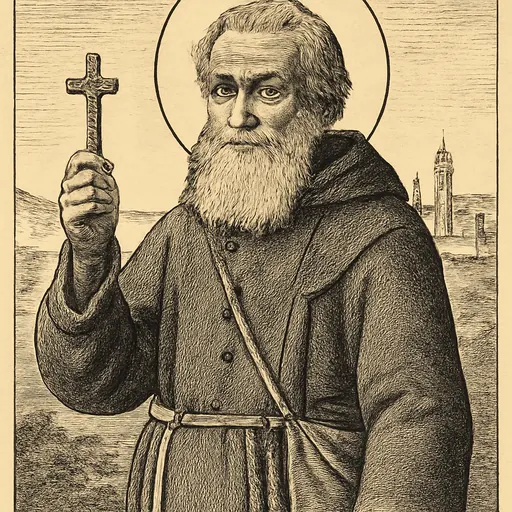
St. Seraphin of Montegranaro (1540–1604) was an Italian Capuchin lay brother, a former shepherd who could barely read, who served as porter and alms-collector. He was known for long nights before the Blessed Sacrament and for blessing the sick with a little brass crucifix. Pope Clement XIII canonized him in 1767, and we keep his feast on October 12.
Who was St. Seraphin of Montegranaro?
St. Seraphin of Montegranaro was a Capuchin lay brother of the late sixteenth century, a shepherd boy from the hills of the Marche who never learned to read well and never held any office. He answered the friary door, begged for the brothers, and spent his nights before the Blessed Sacrament. Rich and poor came to him for advice, and many sick people went home healed after his blessing. He died at Ascoli Piceno on October 12, 1604, and we keep his feast on that day.
Pope St. John Paul II, writing for the fourth centenary of his death in 2004, called him a "simple and illiterate man whom everyone, humble and powerful, felt to be a true 'brother.'"
The shepherd of Montegranaro
He was born Felix in 1540 at Montegranaro, near Fermo, in a poor and devout family. As a boy he was hired out as a shepherd, which the Catholic Encyclopedia notes gave him long hours for prayer. After his parents died, his eldest brother, a mason, took him in and treated him harshly; Felix was no good at building, and he suffered for it in silence.
Tradition says a woman of the neighborhood, who knew the Capuchins, encouraged him to seek the religious life, and he set his heart on them. He was received as a teenager, about sixteen by the older account, made his novitiate at Jesi, and took the name Seraphin.

Porter and beggar of the Marche
His superiors moved him through many friaries of the Marche, usually as porter or questor, the brother who goes out to collect alms. He was clumsy at manual work and often scolded, but his brothers came to see his patience, his poverty and his charity to the poor, which, says the Catholic Encyclopedia, "knew no bounds."
He spent his last years at the Capuchin friary of Ascoli Piceno, and the city came to love him. John Paul II's letter describes him walking the dusty roads on his rounds, seeking out the poorest families, and making peace in quarreling households with stern words, practical help or simple comfort, as each case needed.
Prayer before the tabernacle
The center of his life was the Eucharist. John Paul II wrote of his prayer stretching for hours in the silence of the night, by the flickering light of the lamp before the tabernacle. He loved the Passion of Christ and the sorrows of Our Lady, and he would weep as he recited the Stabat Mater. He always carried a small brass crucifix, and with it he blessed the sick, asking for their healing in body and soul. That crucifix is still kept as a relic.

The miracles of St. Seraphin
- Reading hearts and prophecy (reported): the Catholic Encyclopedia records that he had "the gift of reading the secrets of hearts, and with that of miracles and prophecy," and that bishops and nobles sought the advice of this unlettered brother.
- Healings of the sick (reported): cures after his blessing with the brass crucifix, remembered in Ascoli.
- The miracles approved for his beatification and canonization (approved): the Church examined miracles attributed to his intercession before he was beatified in 1729 and canonized in 1767. We have not found the individual cases published, so we don't describe them.
- The miracle of the garden (traditional): a story told in Ascoli about the friary's vegetable garden and the poor, painted by Fra Paolo Mussini in the Capuchin church.

Symbols of St. Seraphin in art
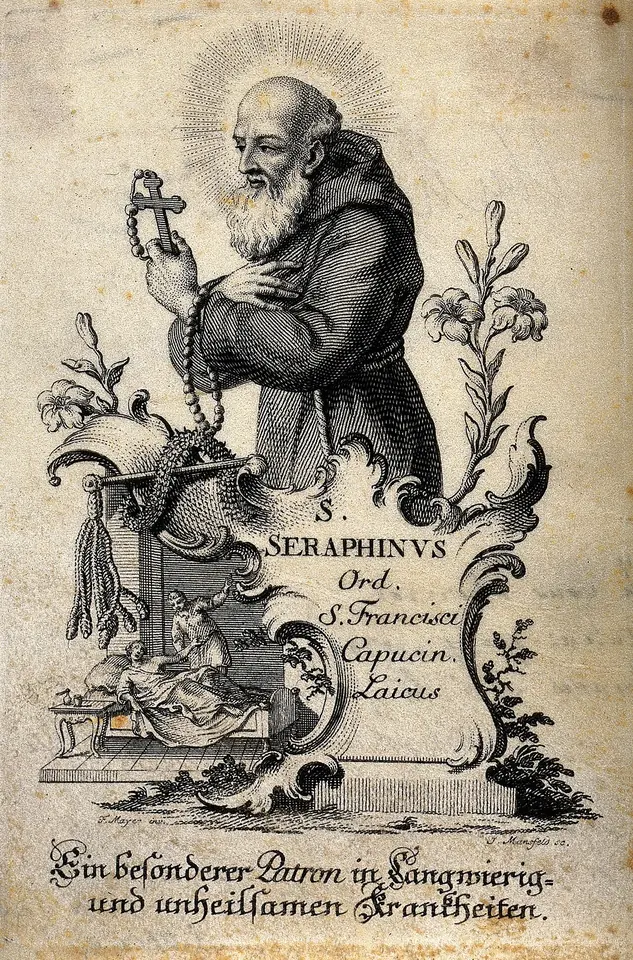
- The Capuchin habit with its long pointed hood, often patched, and a long rosary at the belt.
- The small crucifix, held up in blessing or in prayer; this is his chief sign.
- The alms bag of a questor.
- Lilies and angels, signs of purity and of the heavenly help that tradition says came to him.
In Italian churches he is often shown kneeling in ecstasy, as in the eighteenth-century statue in the Capuchin church of Santa Maria al Monte in Turin. In Ascoli itself, Fra Paolo Mussini, a painter who became a Capuchin, decorated the friary church with a cycle of his life.

Feast day and shrine
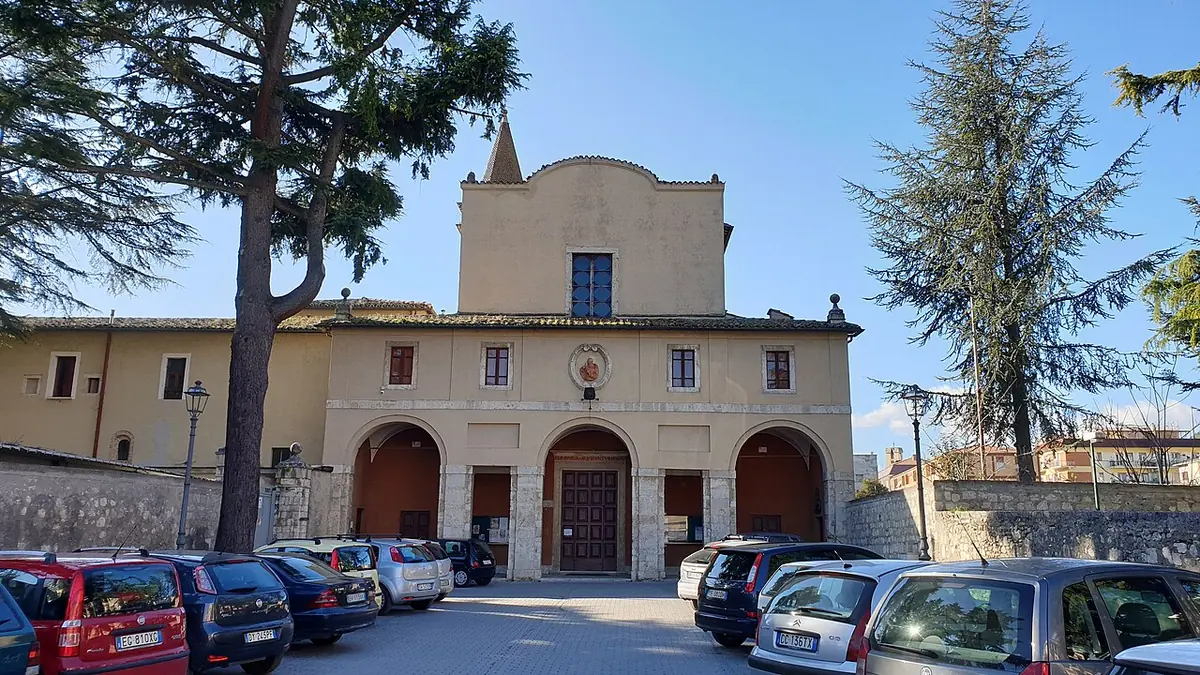
We keep the feast of St. Seraphin of Montegranaro on October 12. His tomb is in the Capuchin church at Ascoli Piceno, now known as the Church of San Serafino. For the fourth centenary in 2004, his urn was carried on pilgrimage through the diocese of Ascoli. See the feast day calendar.
Prayer to St. Seraphin
We know of no traditional prayer to St. Seraphin in the standard English prayer books. Let us pray as he did, before the Blessed Sacrament, and repeat his favorite prayer, the Stabat Mater, at the foot of the Cross. Then let us ask St. Seraphin to pray for the sick, especially those whose illness is long, and for families that need peace.
Frequently asked questions
Who was St. Seraphin of Montegranaro?
Born Felix in 1540 at Montegranaro in the Marche, a poor shepherd boy who joined the Capuchins as a teenager and took the name Seraphin. He served as porter and questor in many friaries, lived his last years at Ascoli Piceno, and died there on October 12, 1604.
When is the feast of St. Seraphin of Montegranaro?
October 12, the day of his death in 1604.
When was St. Seraphin canonized?
Pope Benedict XIII beatified him on July 18, 1729, and Pope Clement XIII canonized him on July 16, 1767.
What is St. Seraphin of Montegranaro the patron of?
He is invoked for the sick. An eighteenth-century etching in the Wellcome Collection calls him "a special patron in long and unhealing illnesses." The brass crucifix he used to bless the sick is still kept as a relic.
Keep exploring
Sources
- Catholic Encyclopedia (1912): St. Seraphin of Montegranaro. His gifts of reading hearts, miracles and prophecy, and his tomb at Ascoli
- Dicastery for the Causes of Saints: Serafino da Montegranaro, with the letter of Pope John Paul II for the fourth centenary of his death (Italian). Beatification July 18, 1729; canonization July 16, 1767; the brass crucifix, the Stabat Mater, his night prayer and his work as peacemaker (our translation)
- Distinta relazione della solennità celebrata in Napoli dai padri cappuccini per la beatificazione di Fedele da Sigmaringa e Serafino da Montegranaro (Naples, 1730), archive.org. The Capuchins' joint celebration of his beatification with that of St. Fidelis