St. Laura of Córdoba, Abbess and Martyr
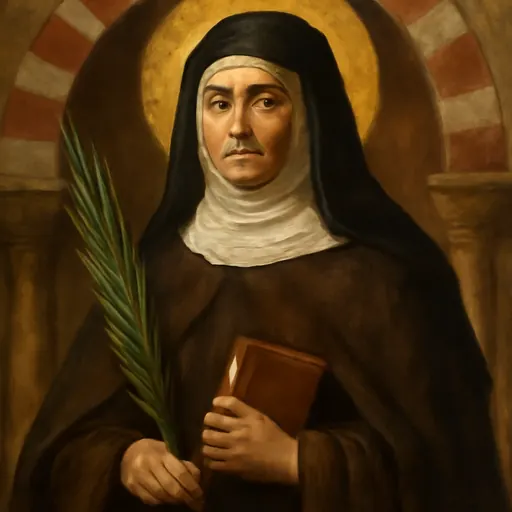
St. Laura of Córdoba was a Christian widow of 9th-century Córdoba, in Muslim Spain, who became a nun and then abbess, and was martyred for publicly confessing Christ, traditionally in 864. She is one of the martyrs of Córdoba, and her feast day is October 19. Little is known of her for certain, and the accounts of her life disagree.
Who was St. Laura?
St. Laura of Córdoba was a Christian woman of ninth-century Spain, a widow who became abbess of a convent outside Córdoba and was put to death for confessing Christ in public, traditionally on October 19, 864. She lived under the Umayyad emirs, when Córdoba was the great capital of Muslim al-Andalus and the Christians who lived there, the Mozarabs, were a tolerated but pressured minority. She is one of the martyrs of Córdoba, a group of men and women who died for the faith in the city in the middle of the ninth century.
There are several saints named Laura, and many people searching for "St. Laura" are looking for someone else. The best known today is St. Laura Montoya (1874–1949), the Colombian sister who founded a missionary congregation to serve the indigenous peoples of her country. Pope Francis canonized her on May 12, 2013, and said in his homily that she was "an instrument of evangelization, first as a teacher and later as a spiritual mother of the indigenous." Her feast is October 21. This page is about the older saint, Laura of Córdoba.

What we know, and what is uncertain
We have to be honest here: very little about Laura can be checked. She is named in the Roman Martyrology on October 19, and Sabine Baring-Gould's Lives of the Saints lists her for that day as "S. Laura, W. M. at Cordova; A.D. 864," a widow and martyr. Most of the other details come from Spanish devotional tradition, and the accounts don't agree with one another. They differ on how many daughters she had and on how she was killed.
There is also a problem with the usual claim that her story comes from St. Eulogius of Córdoba, the priest who wrote down the acts of the Córdoba martyrs. Eulogius was himself martyred in 859, five years before the date given for Laura's death, so he can't be the witness to it. Either the date or the attribution is wrong. What follows is traditional.
The life of St. Laura of Córdoba
Widow
According to the Archdiocese of Granada, Laura came from a noble family of Córdoba and married an important official of the emirate. After her husband died, she left the world.
Abbess of Cuteclara
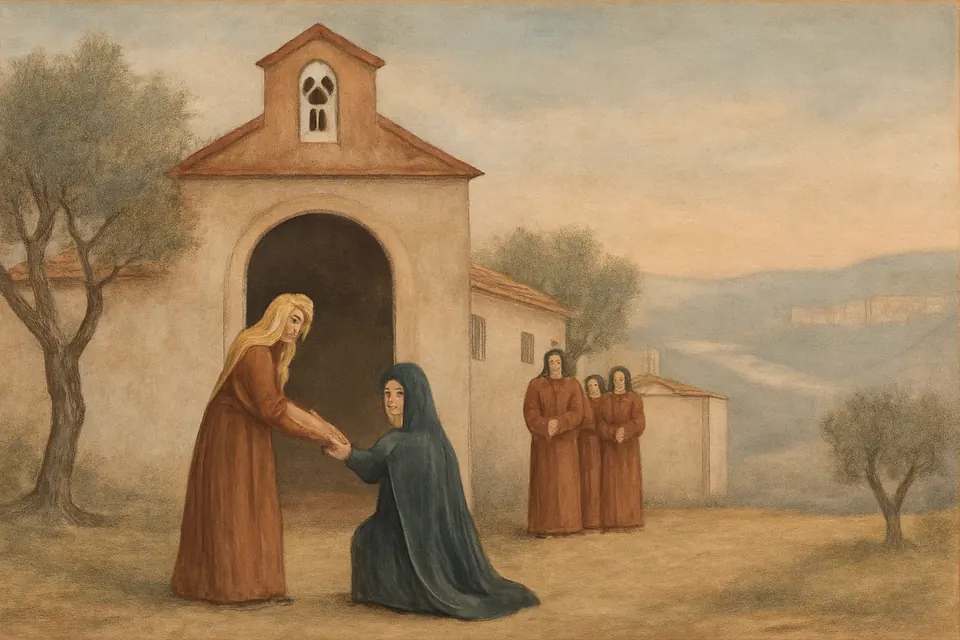
She entered the monastery of Santa María de Cuteclara, near Córdoba. Granada's account calls it a double monastery, with separate communities of men and women. In time the nuns chose her as their abbess.
Confessor of the faith
Laura proclaimed her Christian faith in public, as several of the Córdoba martyrs did, knowing what it could cost. She was arrested on the order of the emir, Muhammad I. Granada's account says she was whipped and beaten with rods for several days and could have saved herself by renouncing Christianity, but would not. She was put into a cauldron of boiling lead. Tradition says she went on singing in her agony, and that she was beheaded afterward.
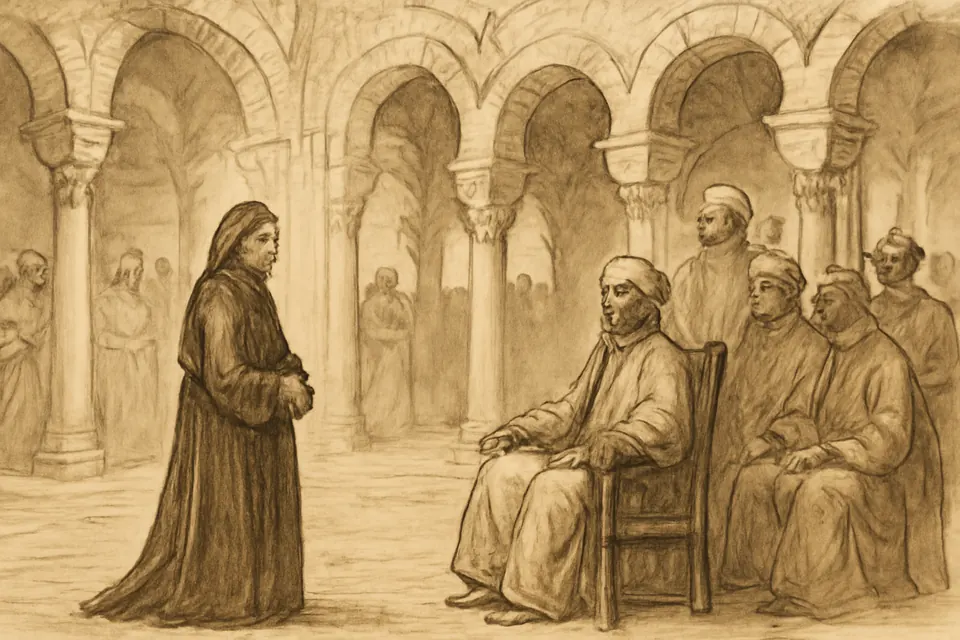
Baring-Gould and the Granada account both date her death to 864. We keep her feast on October 19.
Symbols of St. Laura in art
Images of her are rare. When she is painted, look for:
- An abbess's habit and veil: she led a community of nuns.
- A martyr's palm: her death for Christ.
- A cauldron: the instrument of her martyrdom in the tradition.
- Companion nuns: in Spanish Baroque painting she may appear with other women martyrs.
Feast day and the martyrs of Córdoba
We remember St. Laura on October 19. You can find the other saints of the season on our feast days page.
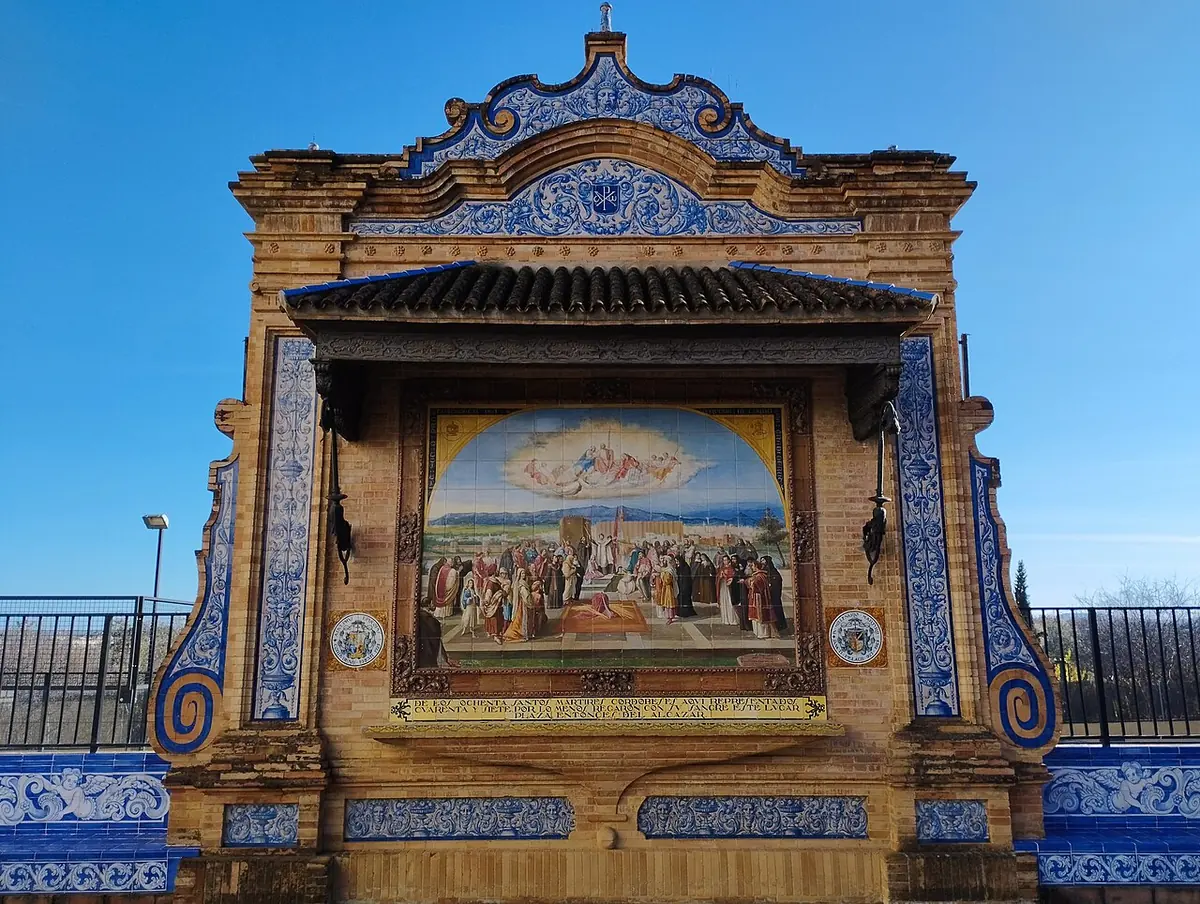
Between 850 and 859, St. Eulogius recorded the deaths of dozens of Christians in the city, priests, monks, nuns and lay people, in his Memoriale Sanctorum, before he was beheaded himself. Laura's name was later added to that company. Whether she died in 864 or earlier, she belongs to the same story: a Church that chose to speak of Christ openly when silence would have been safer.
Córdoba still honors its martyrs. The church of San Pedro keeps the relics of the Holy Martyrs of Córdoba in a silver ark. We have not found a source saying that relics of Laura herself are among them.

Prayer to St. Laura
We have not found a traditional prayer to St. Laura of Córdoba in the standard prayer books, and we won't invent one under her name.
Let us ask her to pray for widows starting their lives over, for religious superiors who carry the care of others, and for Christians who live as a small minority and are tempted to stay silent. St. Laura of Córdoba, pray for us.
Frequently asked questions
When is St. Laura's feast day?
St. Laura of Córdoba is remembered on October 19, the traditional day of her death in 864. St. Laura Montoya, the Colombian missionary sister canonized in 2013, is kept on October 21.
How did St. Laura of Córdoba die?
The Archdiocese of Granada's account says she was whipped, beaten with rods for several days, and then put into a cauldron of boiling lead, and was beheaded afterward. Other Spanish accounts say she was beheaded. The details come from late tradition and can't be confirmed.
Which St. Laura is the patron of what?
St. Laura of Córdoba is honored as a widow and martyr and has no long-established patronage. St. Laura Montoya is honored for her missionary work among the indigenous peoples of Colombia.
Is St. Laura in the Bible?
No. No woman named Laura appears in the Bible. The saints called Laura are later Christians, the earliest being Laura of Córdoba in the 9th century.
Sources
- Archidiócesis de Granada: Santa Laura de Córdoba. Noble family, a husband who served the emirate, the monastery of Santa María de Cuteclara, abbess, Emir Muhammad I, the cauldron, October 19, 864
- S. Baring-Gould, The Lives of the Saints, vol. 12 (October, part 2), October 19. Lists "S. Laura, W. M. at Cordova; A.D. 864"
- Vatican: Homily of Pope Francis at the canonization of Laura of Saint Catherine of Siena Montoya, May 12, 2013
- Roman Martyrology, October 19