Blessed Josef Mayr-Nusser
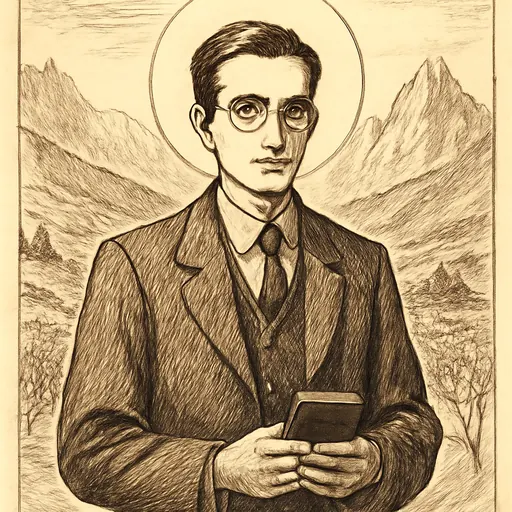
Blessed Josef Mayr-Nusser (1910–1945), a South Tyrolean husband, father and Catholic Action leader, was drafted into the Waffen-SS in 1944 and refused, for reasons of faith, to swear the oath to Hitler. He died of exhaustion on a prison train bound for Dachau in 1945. He was beatified in 2017, and his diocese keeps his memorial on October 3.
Who was Blessed Josef Mayr-Nusser?
Blessed Josef Mayr-Nusser was a layman from Bolzano, in the German-speaking province of South Tyrol in northern Italy, who would not swear an oath to Adolf Hitler. He was an accountant, a husband and a young father, and for years he had led Catholic young men and served the poor. Drafted into the Waffen-SS in 1944, he refused the oath on grounds of conscience and died a prisoner in February 1945, on the way to Dachau. He was beatified in Bolzano Cathedral on March 18, 2017. His diocese keeps his memorial on October 3, the anniversary of his refusal.
He was born on December 27, 1910, at the Nusserhof, the family farm in the Bozner Boden district on the edge of Bolzano. After commercial school he worked as a bookkeeper for a Bolzano firm. He kept studying on his own, astronomy and above all theology, and the Dicastery for the Causes of Saints names the men he admired most: St. Thomas Aquinas, St. Thomas More, and Peter Mayr, a Tyrolean patriot of 1809 who, as Tyroleans remember him, chose execution rather than save himself with a lie.
Catholic Action and the poor
In 1932 he joined the St. Vincent de Paul conference in central Bolzano, the lay society founded by Blessed Frédéric Ozanam to visit the poor in their homes. He saw in it a way to live the Gospel in ordinary life. In 1937 he became president of a new conference in his home district.
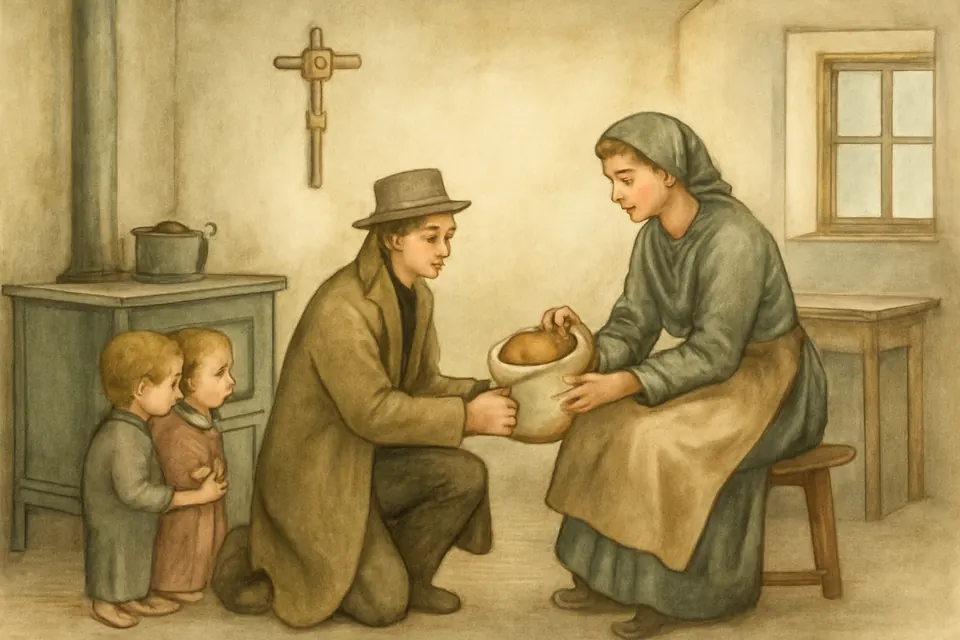
In 1933 he helped found a Catholic youth group in Bolzano, and in 1934 he was made president of the young men's branch of Catholic Action for the German-speaking part of the Archdiocese of Trent, which then included Bolzano. These were hard years for the Church in South Tyrol, under Fascist Italy and in the shadow of Nazi Germany next door. His spiritual director was Father Josef Ferrari.
On May 26, 1942, he married Hildegard Straub. Their son, Albert, was born a year later.
"Better to lose one's life"
In 1944 Josef was conscripted into the Waffen-SS and sent with about eighty other South Tyroleans to a training camp at Konitz, in West Prussia. On September 27, 1944, he wrote to his wife that the need to bear witness had become unavoidable, because two worlds were colliding. He wrote that "it is better to lose one's life than to abandon the path of duty" (our translation from the Italian).

When the recruits were to swear unconditional obedience to Hitler in early October 1944, he declared that he could not take the oath for religious reasons. The Dicastery records what he told them, in substance: if no one ever has the courage to tell them that he does not agree with their National Socialist views, nothing will ever change. He knew the refusal could cost him his life.
He was imprisoned and sentenced to death. In February 1945 he was loaded into a cattle car bound for the Dachau concentration camp. The tracks ahead had been destroyed, and the train stood for eight days at Erlangen. There, on February 24, 1945, Josef died of exhaustion, still a prisoner. When Father Ferrari heard of his death, he called him "a great man, a splendid Christian, a hero of the truth, a confessor of the faith."
Beatification and tomb
Josef was buried first at Erlangen. In 1958 his remains were brought home to South Tyrol, and in 1963 they were placed in the outer wall of the church at Stella, near Lichtenstern on the Renon plateau above Bolzano. Today his tomb is in Bolzano Cathedral.
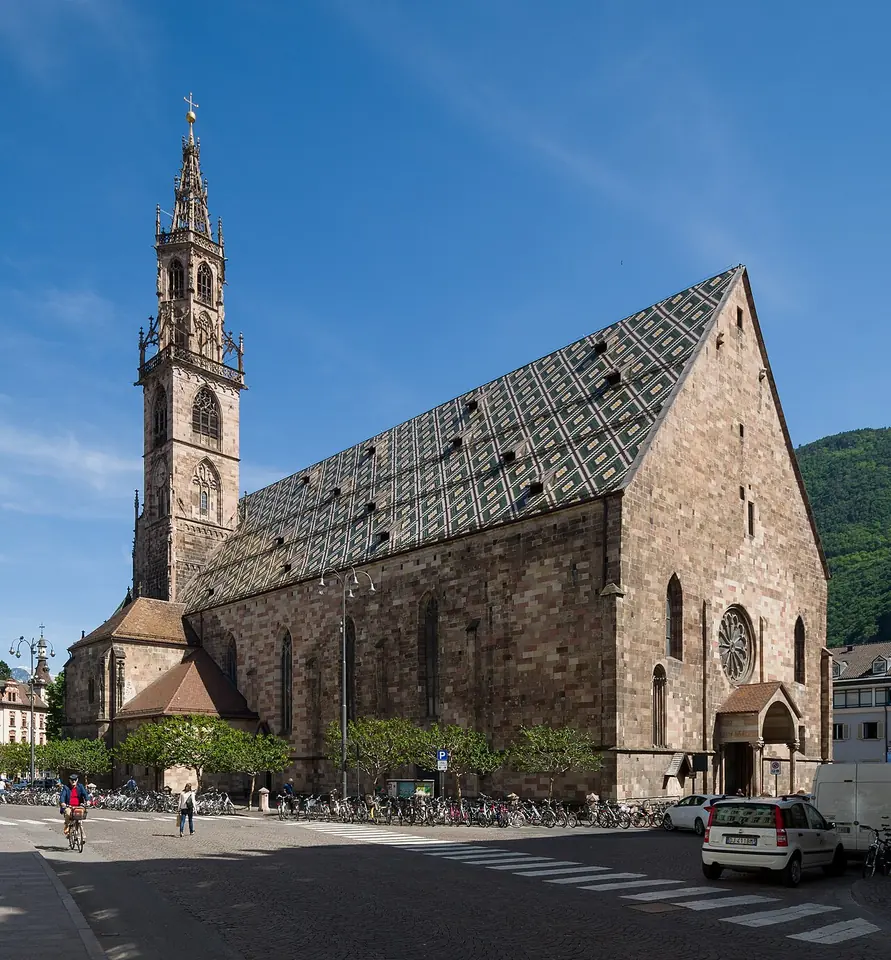
Pope Francis approved his beatification as a martyr, and Cardinal Angelo Amato preached at the beatification Mass in Bolzano Cathedral on March 18, 2017. As in every cause of martyrdom, no miracle was required, and no approved or reported miracle is tied to his cause. Pope Francis said of him that "by his great moral and spiritual stature he is a model for the lay faithful."
Symbols of Blessed Josef Mayr-Nusser in art
Josef lived in the age of photography, and his images follow his photographs: a slim man with glasses, in a suit and tie. Look for:
- A book of the Gospels: his faith, studied and lived.
- A letter: the letters he wrote to his wife Hildegard from Konitz.
- A palm branch: the sign of a martyr.
Feast day and prayer
His diocese keeps his memorial on October 3, the day of his refusal, and his death is remembered on February 24, the date the Dicastery for the Causes of Saints gives as his memorial. People still gather at Bolzano and at Lichtenstern on the Renon to honor him. See also the feast day calendar and Blessed Franz Jägerstätter, the Austrian farmer who made the same choice.
We have not found a widely used English prayer to Blessed Josef. Let us ask him to pray for husbands and fathers, for Catholics in public life, and for everyone whose conscience tells them to say no when it costs something. Blessed Josef Mayr-Nusser, pray for us.
Frequently asked questions
Who was Josef Mayr-Nusser?
A lay Catholic from Bolzano in South Tyrol, born in 1910. He worked as an accountant, led the German-speaking young men of Catholic Action in the Archdiocese of Trent and ran a St. Vincent de Paul conference for the poor. He married Hildegard Straub in 1942, and their son Albert was born a year later.
Why did Josef Mayr-Nusser refuse the SS oath?
He was conscripted into the Waffen-SS in 1944 and judged that he could not swear unconditional obedience to Hitler as a Christian. He refused the oath publicly in October 1944, knowing it could cost him his life.
How did Josef Mayr-Nusser die?
Condemned for refusing the oath, he was put on a train for the Dachau concentration camp. The train was held for days at Erlangen, where he died of exhaustion in a cattle car on February 24, 1945.
When is the feast of Blessed Josef Mayr-Nusser?
The Diocese of Bolzano-Brixen keeps his memorial on October 3, the anniversary of his refusal. The Vatican's Dicastery for the Causes of Saints lists February 24, the day he died.
Keep exploring
Sources
- Dicastery for the Causes of Saints: Josef Mayr-Nusser. His studies, the St. Vincent conferences, Catholic Action, his marriage, the Konitz letter of September 27, 1944, his words on the oath, his death at Erlangen, his burials and the beatification, with Pope Francis's words and Cardinal Amato's homily
- Diocese of Bolzano-Brixen: Josef Mayr-Nusser, 80 Jahre Eidesverweigerung. October 3 as his memorial day and the cathedral as his resting place