Blessed John Roche, the Irish Waterman Martyr
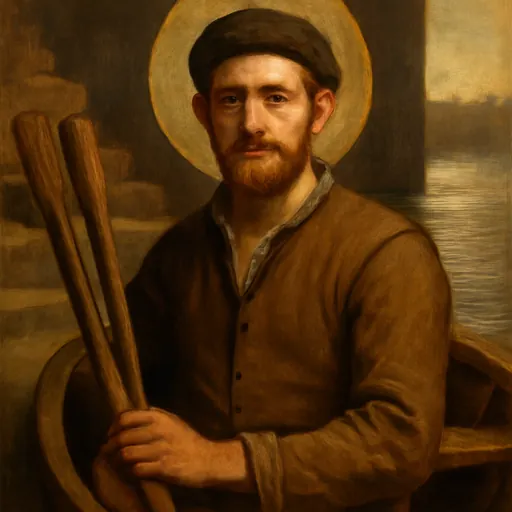
Blessed John Roche was an Irish Catholic layman, a waterman and servingman in London, who helped the priest William Watson escape from Bridewell prison in 1588 by finding a boat and exchanging clothes with him. Caught wearing the priest's clothes, he admitted he was a Catholic and had helped the priest, and he was hanged at Tyburn with St. Margaret Ward on August 30, 1588. Pope Pius XI beatified him in 1929.
Who was Blessed John Roche?
Blessed John Roche was an Irish Catholic layman who worked in London as a waterman and servingman, and who gave his life for helping a hunted priest. In August 1588 he rowed the priest William Watson away from Bridewell prison and then gave him his own clothes so he could escape in disguise. The clothes gave Roche away. He was hanged at Tyburn on August 30, 1588, on the same day as St. Margaret Ward, whose plan he had saved. We keep his feast on August 30.
He also went by the name John Neale, or Neele. We do not know when or where in Ireland he was born. A priest writing from Douai in 1595 called him simply "an Irishman." How he came to be working the boats on the Thames, no one recorded.
The escape from Bridewell
William Watson was a priest from the diocese of Durham who had been trained at the English College of Rheims. In 1588 he lay in Bridewell, a London house of correction, worn down by hardship and cut off from all Catholic visitors, until Margaret Ward, a gentlewoman from Cheshire, won the jailer's wife over and was allowed to bring him food. She smuggled him a rope in her basket and hired a boatman to wait for him on the river.
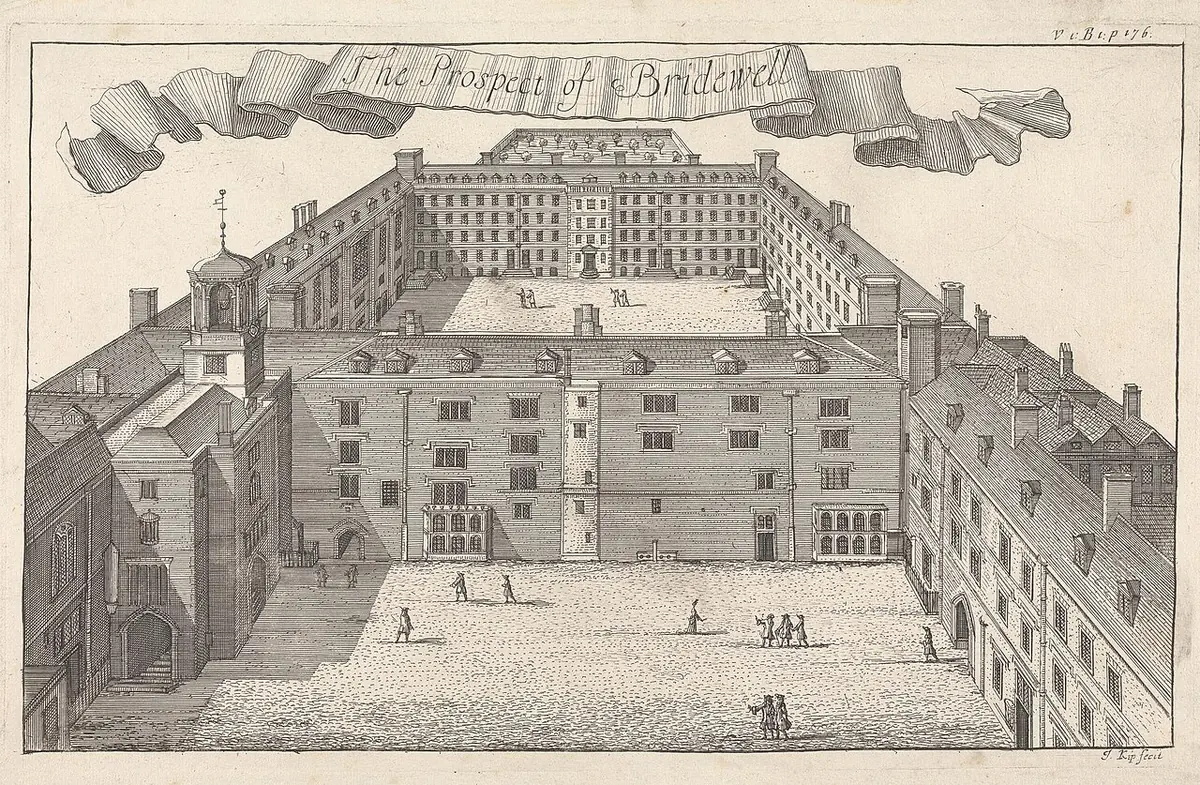
Then the boatman refused. Two Catholic laymen, George Stoker and a Mr. Heath, set down what happened next:
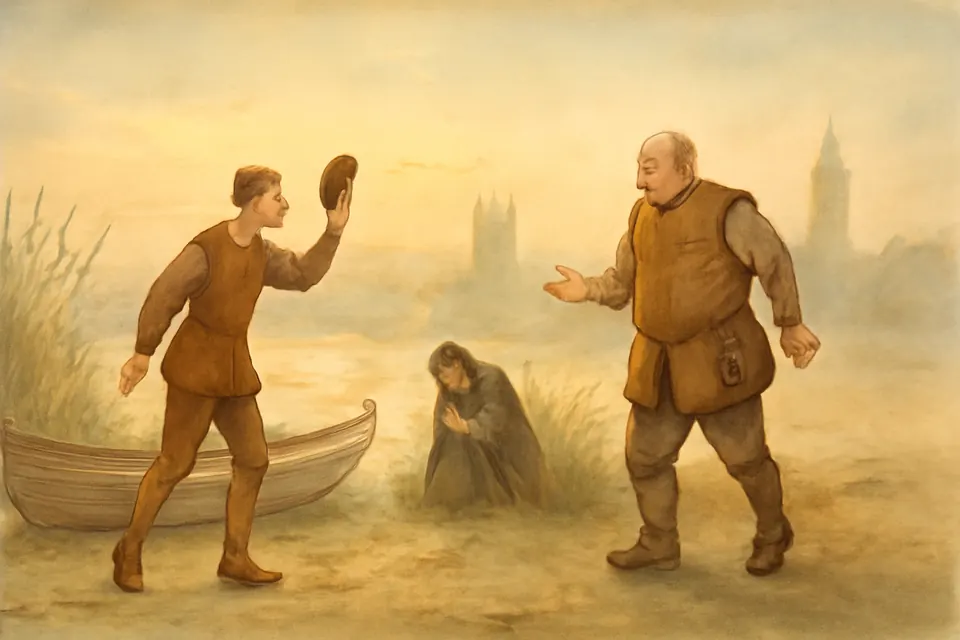
By chance she met with a young man (Venerable John Roche) whom she had not seen in half a year before, who seeing her in that mournful plight demanded the cause. She denied to tell him; he more enforcing her, said he would willingly adventure his life to do her any pleasure.
She told him everything. "Then he went and provided another boat," and at the appointed time the priest came down from the roof of the prison and Roche took him away.
Lambeth Marsh and the exchanged clothes
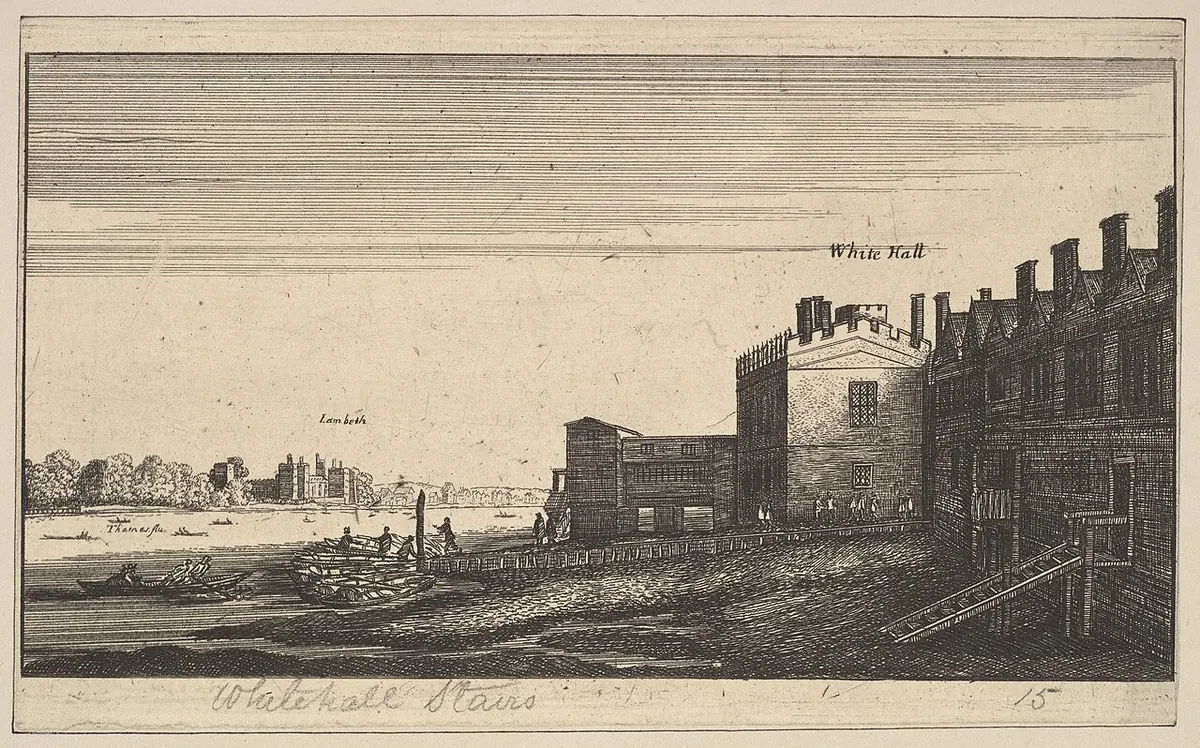
The escape was noisy. The accounts differ on the details: Stoker and Heath say a stone fell and woke the house; the Spanish bishop Diego de Yepes, writing in 1599, says the doubled rope was too short and Watson fell onto a shed and broke his right arm and leg. Either way, the jailer gave chase, and he caught up with them on Lambeth Marsh, across the river.
"Sure we be undone," the priest said, "for yonder comes my keeper." Roche turned back, walked up to the jailer and bade him good morrow. The jailer did not know him and ran off.
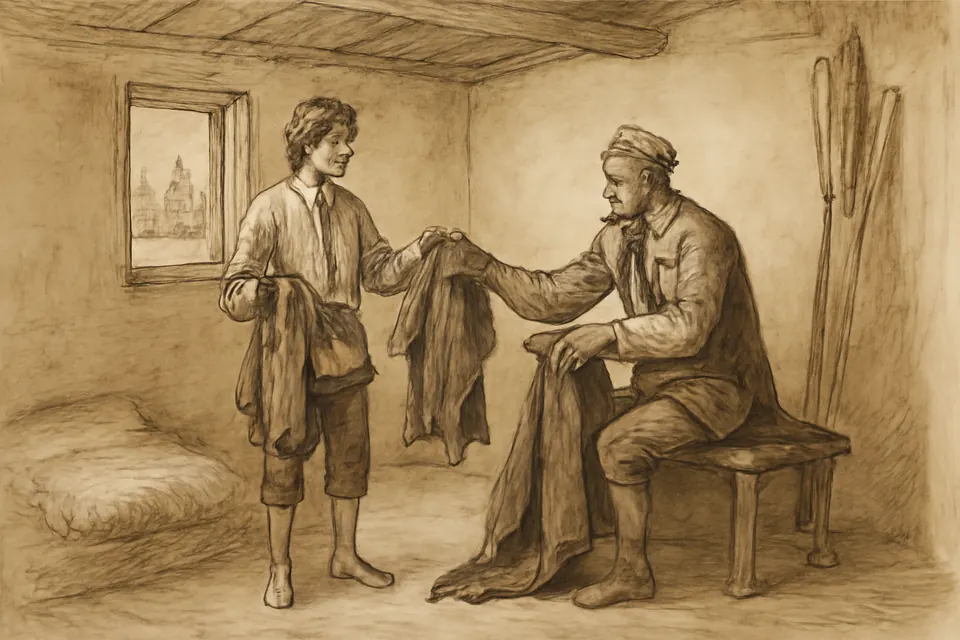
Yepes says one of the watermen, John Roche, then hid the injured priest in his own house until he could walk. When Watson was well enough to move on, the two changed clothes, so that the priest could slip away dressed as a working man. Challoner, following Yepes, says the waterman "joyfully accepted the change, and put on, with great devotion, the clothes of one whom he regarded as a confessor of Christ."
Arrest and martyrdom
Not long afterward the jailer met a man in the street wearing the clothes the priest had worn when he fled. At first he thought he had caught Watson himself. The man was John Roche. Father James Younge wrote from Douai in 1595:
He was examined what he was, for at the first they thought he had been Watson the priest, but he confessed that he was a Catholic and had holpen the priest to escape, for which he was executed at Tyburn.
Roche and Margaret Ward were tried at the same sessions at Newgate on August 26, 1588. Like her, he was offered his life if he would ask the queen's pardon and promise to go to the Protestant church, and like her he refused. Challoner says he died "with much spiritual joy in his soul, and a constancy which many admired."
They were hanged at Tyburn on August 30, 1588, in the weeks after the defeat of the Spanish Armada, with the priest Richard Leigh and the laymen Edward Shelley, Richard Martin and Richard Flower. The priest whose life they saved, William Watson, outlived them by fifteen years.
Beatification
Pope Pius XI beatified John Roche on December 15, 1929, among 136 martyrs of England; he is number 28 on the list, "Ioannes Roche, laicus." Margaret Ward, number 29, was later canonized among the Forty Martyrs of England and Wales in 1970. John Roche remains a Blessed.
- Approved: as a martyr he was beatified without a miracle. No miracle has yet been approved for his canonization.
- We know of no reported miracles attributed to him.
Symbols of Blessed John Roche in art
No likeness of him exists. When he is pictured, the fitting signs are the boat and oars of a Thames waterman, the cloak he exchanged with the priest, the rope of Tyburn and the martyr's palm. He is often shown together with Margaret Ward and her basket.
Feast day and prayer
We keep his feast on August 30, together with St. Margaret Ward, and with all the English martyrs on May 4. See the feast day calendar.
We know of no traditional prayer to him that we can quote. Let us ask him to pray for boatmen and all who work on rivers and the sea, for Irish Catholics far from home, and for anyone asked to risk something for a person in danger. Blessed John Roche, pray for us.
Frequently asked questions
Who was Blessed John Roche?
An Irish Catholic layman living in London, a waterman and servingman also known as John Neale or Neele. He helped the priest William Watson escape from Bridewell in August 1588 and was hanged at Tyburn on August 30, 1588, together with St. Margaret Ward.
How did John Roche help Margaret Ward?
Margaret Ward had smuggled a rope to the imprisoned priest and arranged a boat for his escape, but the boatman backed out. By chance she met Roche, who promised to help, found another boat and took the priest away. Afterward he exchanged clothes with the priest so Watson could get away in disguise.
How was John Roche caught?
He was found wearing the clothes the priest had on when he escaped. At first his captors thought he was the priest himself. He then confessed that he was a Catholic and had helped the priest escape, and for that he was condemned.
Is John Roche a saint?
He is a Blessed, beatified in 1929. Margaret Ward, who died with him, was canonized in 1970 among the Forty Martyrs of England and Wales, but John Roche was not in that group.
Keep exploring
Sources
- Edwin H. Burton and J. H. Pollen, eds., Lives of the English Martyrs, Second Series, vol. 1 (1914): Venerable John Roche and Venerable Margaret Ward. Identifies the waterman as John Roche; quotes the Relation of George Stoker and Mr. Heath (the refused boatman, the chance meeting, Lambeth Marsh) and James Younge's letter from Douai of February 9, 1595 ("John Neele (Roche), an Irishman"); trial on August 26, 1588
- Richard Challoner, Memoirs of Missionary Priests (1924 ed.): The History of Mrs. Margaret Ward. Stow's list of those hanged on August 30, 1588, the waterman who exchanged clothes with the priest, and the offer of pardon refused
- Pius XI, apostolic letter beatifying 136 English martyrs (December 15, 1929), Acta Apostolicae Sedis 22 (1930). No. XXVIII: Ioannes Roche, laicus, martyred at Tyburn on August 30, 1588