Blessed Thomas Holford, Cheshire Priest and Martyr of 1588
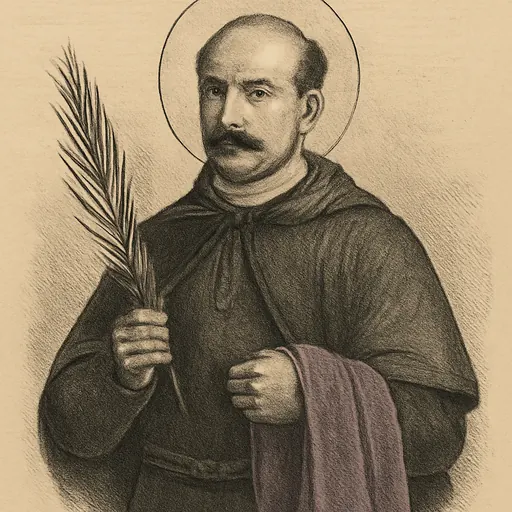
Blessed Thomas Holford (died 1588), alias Acton, was the son of a Protestant minister in Cheshire who became a Catholic while working as a tutor, trained for the priesthood at Reims, and served secretly in England for five years. Arrested after saying Mass, he was hanged at Clerkenwell on August 28, 1588, his feast. Pius XI beatified him in 1929.
Who was Blessed Thomas Holford?
Blessed Thomas Holford was a Cheshire schoolmaster, the son of a Protestant minister, who became a Catholic, trained as a priest abroad and came home to serve the hidden Catholics of Elizabethan England. For five years he moved between safe houses, escaped two raids and slipped away from his guards once in a pair of odd stockings. In August 1588, in the weeks after the Spanish Armada, he was caught in London after saying Mass and hanged at Clerkenwell. Pope Pius XI beatified him in 1929, and we keep his feast on August 28.
The life of Blessed Thomas Holford
A minister's son and a schoolmaster
Thomas Holford was born at Aston, in the parish of Acton near Nantwich in Cheshire; the year is not recorded. His father was a minister of the established church, and Thomas grew up a Protestant. As a young man he went to Herefordshire as schoolmaster to the sons of Sir James Scudamore of Holme Lacy.

There he met Richard Davis, a priest who was a native of Hereford. Davis left an account of their friendship, which Bishop Challoner later printed. Visiting his parents in Hereford, Davis sent for the schoolmaster and talked with him, and "with the help of God's grace," he wrote, before he knew anything of it, Holford had gone to the English College at Reims. He was admitted in August 1582, ordained a priest in April 1583, and was back in England within two years of leaving.
Raids and hiding places
He found Father Davis again in a Catholic house near London. On All Souls' Day the house was searched by the pursuivants while another priest was preaching, and all three priests got away. During the hunt for Anthony Babington and his companions in 1586, Holford escaped two or three watches and came to Davis; the next day that house too was searched, and the two priests escaped "by a secret place which was made at the foot of the stairs where we lay, going into a hay barn."
The escape in odd stockings
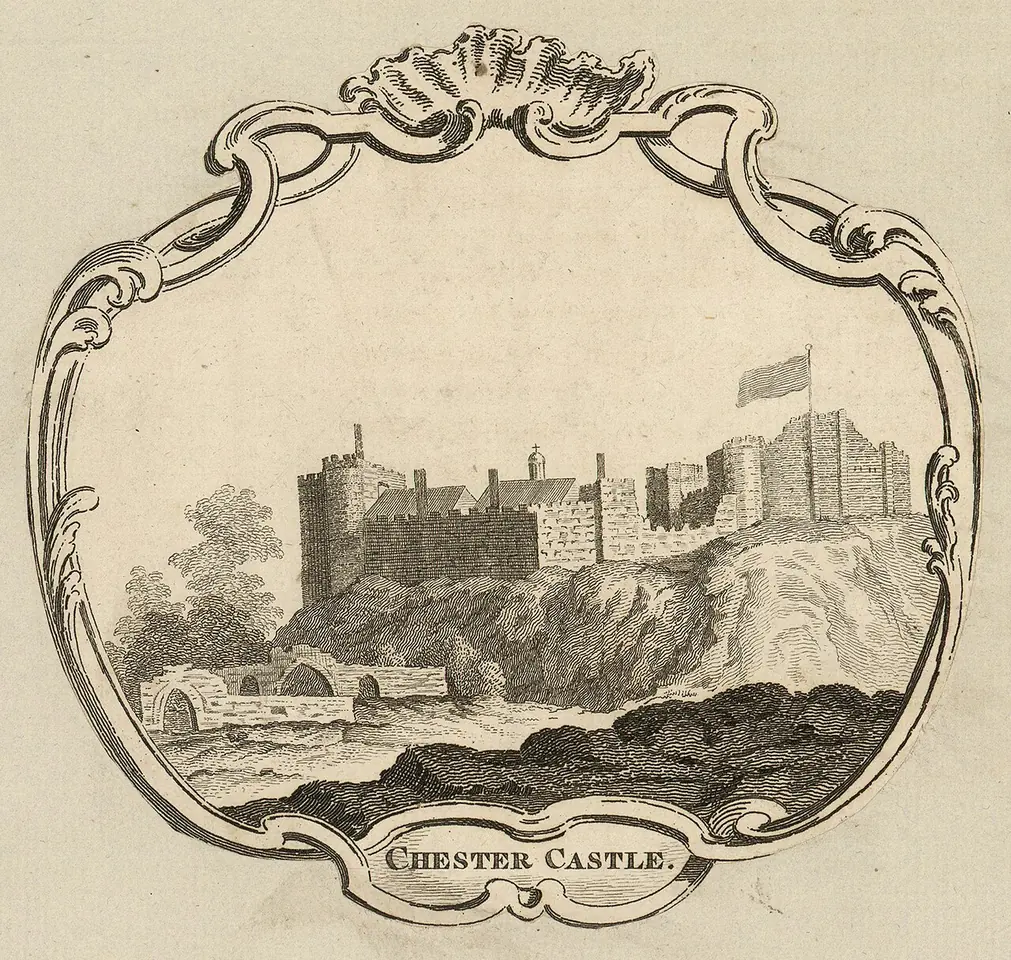
Later he went home to Cheshire hoping to bring his own people into the Church. He was arrested and imprisoned in Chester Castle, questioned by the Anglican Bishop of Chester, and sent up to London under guard.
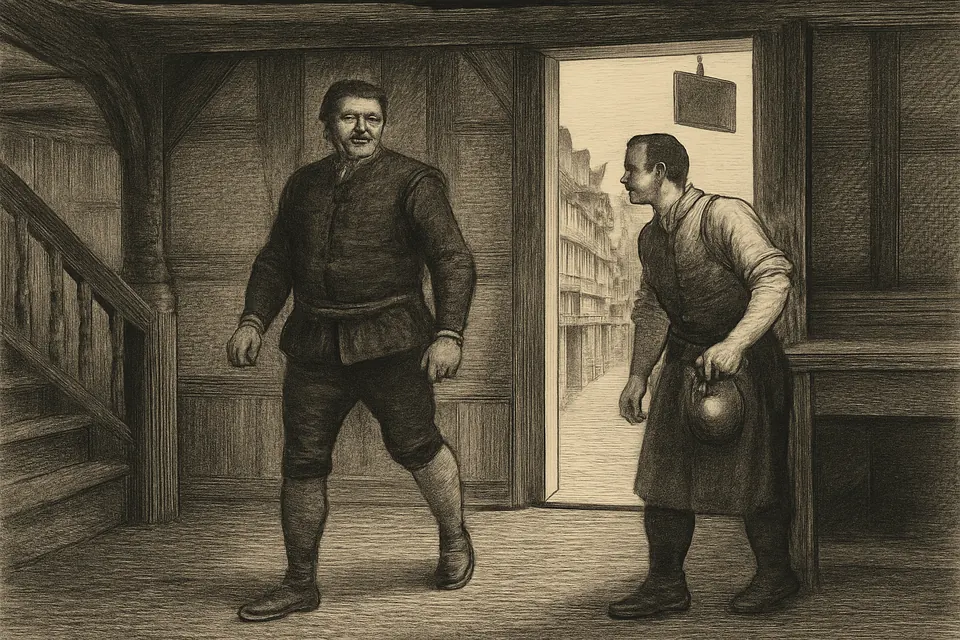
His two keepers lodged with him at an inn in Holborn and drank hard the night before. About five in the morning he got up, pulled a yellow stocking onto one leg and his white boot-hose onto the other, and walked up and down the room. One keeper looked up, saw him, and fell asleep again. Holford went down into the hall, where the tapster asked him, "What lack you, gentleman?" When the tapster had gone, he walked out into the street, and a Catholic gentleman who passed him took him for a madman. He kept off the highway all day and reached Father Davis about eight miles from London that night, having eaten nothing, his feet galled by gravel and his legs torn by briars. The lady of the house had a bath of sweet herbs prepared, and her two daughters washed his feet.
Arrest and martyrdom
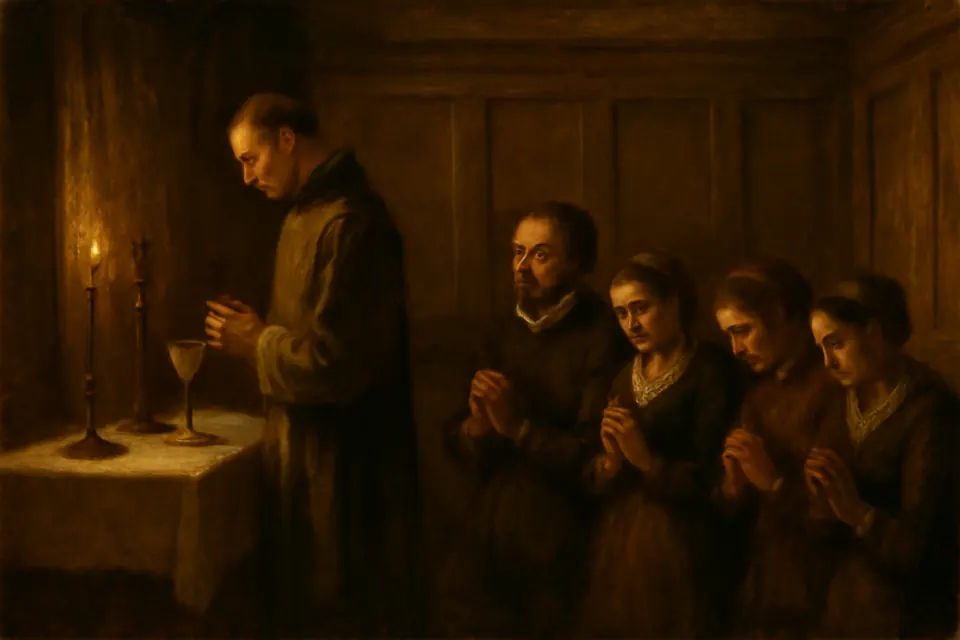
In 1588 he came back to London to buy a suit of clothes. He went to say Mass at the house of St. Swithun Wells near St. Andrew's Church in Holborn. A pursuivant named Hodgkins saw him leave, followed him to his tailor's and arrested him there.
He was condemned with seven other priests and laymen in the summer of the Armada. On August 28, 1588, the eight were put to death in different places around London; Thomas Holford was hanged at Clerkenwell. Two days later St. Margaret Ward and five companions died at Tyburn.
Martyr of the faith
The Church honors Thomas Holford as a martyr, and so no approved miracle was required for his beatification. Pope Pius XI beatified him on December 15, 1929, among the martyrs of England and Wales. No miracles are told of him, and no relics are known; where his body was buried is not recorded.
Symbols of Blessed Thomas Holford in art
He has almost no old iconography. Modern images follow the usual signs of the English martyrs:
- The martyr's palm: for his death for the faith.
- The rope: for his hanging at Clerkenwell.
- The priest's stole: for the priesthood that was his only crime.
- Plain gentleman's clothes: seminary priests dressed as laymen to escape notice, and he had come to London to buy a new suit when he was taken.
Feast day and prayer
We keep his feast on August 28. The Diocese of Shrewsbury, which covers his native Cheshire, honors him as one of its own martyrs. See more saints of August on our feast days page.
We have not found a traditional prayer to Blessed Thomas Holford to reprint. Let us ask him to pray for converts, for teachers, for priests who serve in danger, and for the unity of Christians in England.
Frequently asked questions
Who was Blessed Thomas Holford?
An English priest from Aston, near Nantwich in Cheshire, the son of a minister. He was schoolmaster to the sons of Sir James Scudamore of Holme Lacy in Herefordshire, was received into the Church through the priest Richard Davis, studied at the English College at Reims, and was ordained in 1583. He was hanged for his priesthood in London in 1588.
How did Thomas Holford escape from his guards?
Taken under guard from Chester to London, he lodged with his guards at an inn in Holborn. After a night of heavy drinking they slept late; he dressed with one yellow stocking and one white boot-hose, walked out past the tapster, and reached a Catholic house eight miles from London that night, his feet torn by stones and thorns.
When is the feast of Blessed Thomas Holford?
August 28, the day he was hanged at Clerkenwell in 1588.
Why was Thomas Holford called Acton?
Acton was the name of his home parish in Cheshire, and he used it as an alias. The chronicler John Stow recorded his execution under that name.
Keep exploring
Sources
- Richard Challoner, Memoirs of Missionary Priests (1741; ed. J. H. Pollen, 1924): Thomas Holford, alias Acton. The manuscript relation of the priest Richard Davis: Holme Lacy, the raids, the hiding place under the stairs, Chester Castle, the escape in odd stockings, the arrest at the tailor's and the execution at Clerkenwell
- Diocese of Shrewsbury: Blessed Thomas Holford (archived page). His family's Cheshire roots, imprisonment at Chester, questioning by the Anglican bishop, and the martyrs who died with him
- English Confessors and Martyrs (1534–1729), Catholic Encyclopedia (1909). The eight priests and laymen condemned together and executed in different places on August 28, 1588
- Martyrs of England and Wales (III): Thomas Hemerford and 106 companions, Hagiography Circle. Beatification on December 15, 1929