Blessed Petro Oros, Greek Catholic Martyr of Transcarpathia
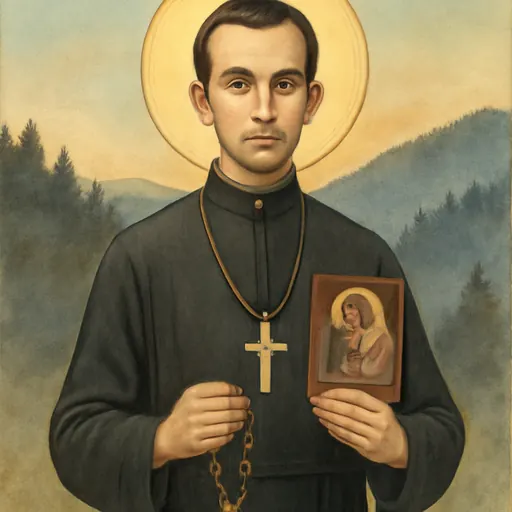
Blessed Petro Oros (1917–1953) was a Greek Catholic priest of the Eparchy of Mukachevo in Transcarpathia. When the Soviets outlawed his Church in 1949, he refused to join the Russian Orthodox Church and kept serving his people in secret until a policeman shot him near Siltse station on August 28, 1953. He was beatified as a martyr at Bilky on September 27, 2025.
Who was Blessed Petro Oros?
Blessed Petro Oros was a Greek Catholic priest of the Eparchy of Mukachevo, in the region of the Carpathian Mountains called Transcarpathia, now in western Ukraine. When the Soviet Union took the region at the end of the Second World War, it set out to destroy his Church. Father Petro would not leave it for the state-backed Russian Orthodox Church. After 1949, when every Greek Catholic church was closed, he went on serving his people in secret, by night, until a policeman shot him near a railway station on August 28, 1953. He was thirty-six.
The Holy See recognized that he was killed in hatred of the faith, and he was beatified at Bilky, the village where he had been pastor, on September 27, 2025.
The life of Blessed Petro Oros
A priest's son
Petro Pavlo Oros was born on July 14, 1917, in Biri, near the Marian shrine of Máriapócs in Hungary. His father, Ivan Oros, was a married Greek Catholic priest, and his mother, Erzsébet, was a priest's daughter. His father died when Petro was barely a year old, and his mother died in 1926. The two orphaned brothers grew up in the homes of relatives in a string of Transcarpathian villages, including the family of a priest whose wife was Petro's godmother.
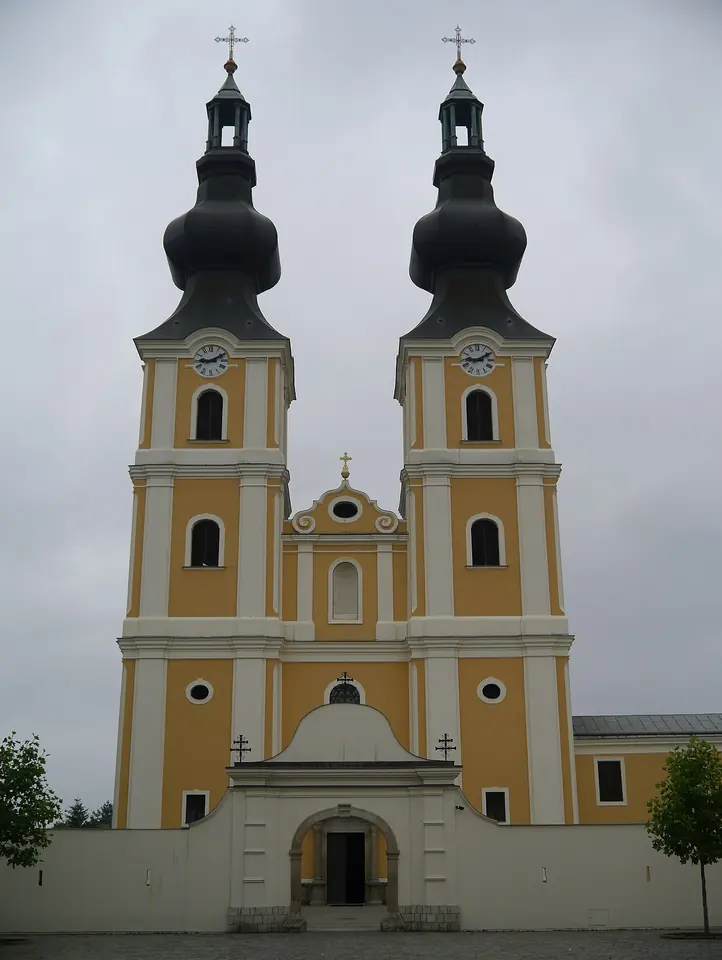
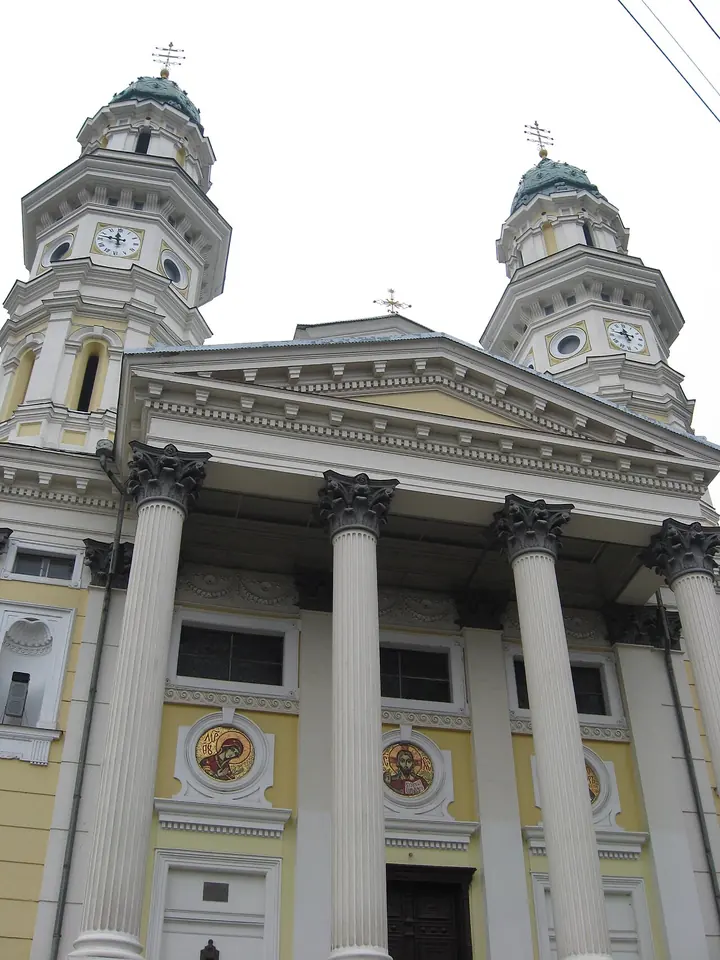
He finished secondary school at Khust and in 1937 entered the seminary at Uzhhorod, following his father and grandfather. His brother Ivan also became a priest. Petro was ordained a celibate priest in June 1942 for the Eparchy of Mukachevo, which then reached into today's Ukraine, Hungary, Slovakia and Romania. Like most priests of the region he spoke many languages: Hungarian was his mother tongue, and he also knew Ukrainian, French and Latin, and Ruthenian, in which he celebrated the Divine Liturgy.
Pastor of Bilky
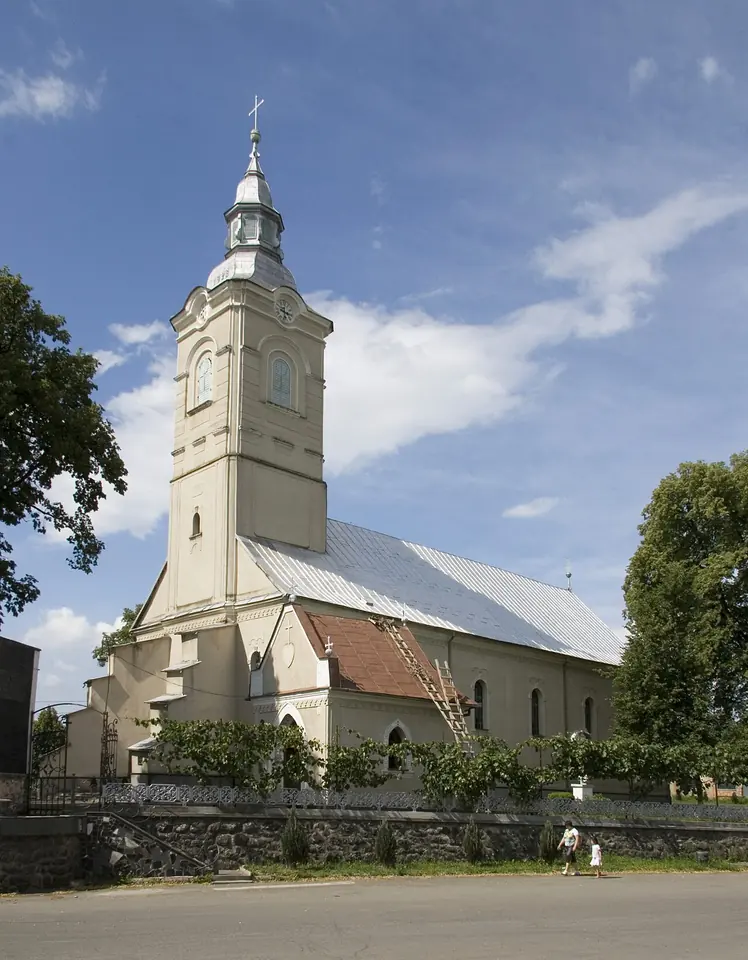
He served first in the villages of Velyki Komyaty and Mali Komyaty, and in 1943 took a course for military chaplains near Košice. In 1944 the Red Army occupied Transcarpathia and the region was annexed to the Soviet Union. Greek Catholics were threatened, arrested and deported; his brother was sent to Siberia. In 1946 Father Petro was named pastor of Bilky, in the Irshava district. Two years later the authorities began pressing him to join the Russian Orthodox Church. He refused, again and again.
A priest in hiding
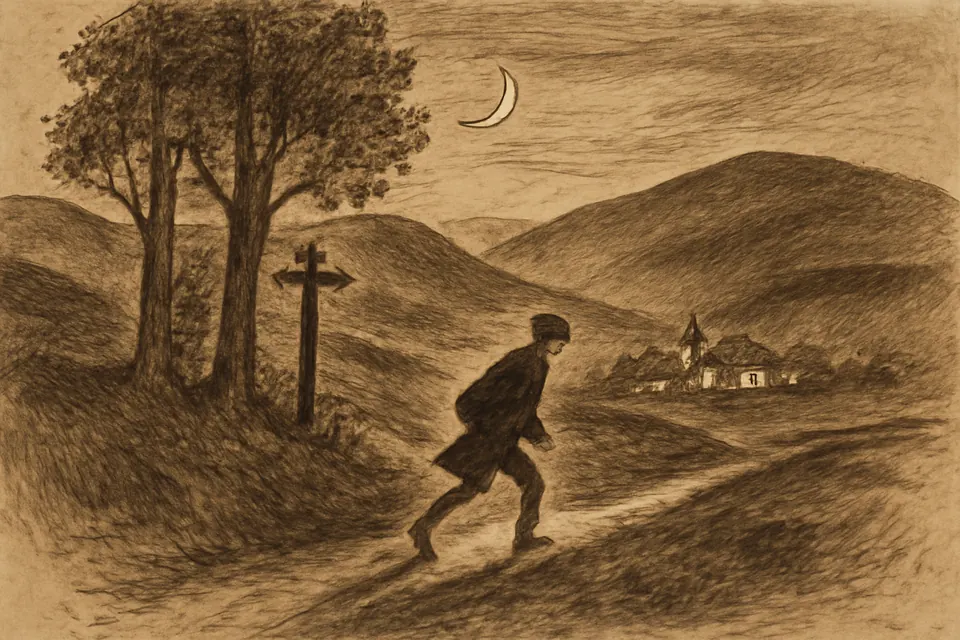
In 1949 the state banned all Greek Catholic pastoral work, closed the churches and suppressed the Eparchy of Mukachevo. Father Petro kept on, moving at night from village to village through the Borzhava valley. He celebrated the Liturgy, heard confessions, baptized, married and buried, and preached the Gospel. He carried an icon of Our Lady of Częstochowa and set it on a makeshift altar in each house where he said Mass. His greeting was "Praised be Jesus and Mary!" He prayed the Rosary and taught it to children and old people alike.

He ate once a day, like the ancient monks, and gave away what he had: a new pair of shoes or a jacket would go to the first person who needed it. He urged his fellow priests to stay faithful to the Apostolic See. Police stopped and questioned him many times. Once a KGB officer asked, "You, so young, do you really believe in God?" He answered, "Not only do I believe in Him, I also love Him" (our translation).
In late May 1953 he was arrested in Uzhhorod and released nine days later with promises that he could live and work freely. He was not pleased. "I would rather have stayed in prison," he said, "because the people there are waiting for the Word of God" (our translation). He told friends he had spent the time answering his guards' questions about the Eucharist and Confession, and he gave one officer a rosary and taught him to pray it.
Martyrdom at Siltse
Soon after, an order was given to arrest him again. On August 28, 1953, the Dormition of the Mother of God by the Julian calendar, he was hurrying, by one account, to a dying man when a policeman stopped him near the railway station at Siltse and shot him. The bullet entered under his chin and came out at his shoulder. His body was buried secretly on the grounds of the police station in Irshava.
Beatification and the signs reported
The faithful regarded him as a martyr from the first. Only after the fall of the Soviet Union could his body be recovered, and on August 28, 1992, it was reburied in a chapel built near the church at Bilky. His cause opened in 2010. On August 5, 2022, Pope Francis approved the decree recognizing that he was killed in hatred of the faith. War delayed the beatification planned for 2023, and the death of Pope Francis postponed it again. It finally took place at Bilky on September 27, 2025, presided over by Cardinal Grzegorz Ryś, the first beatification held in Transcarpathia.
As a martyr he was beatified without an approved miracle. The Dicastery notes a lasting reputation for signs, which remain reported graces until the Church examines one.
Symbols of Blessed Petro in art
Images of Blessed Petro follow his photographs: a young, slim, clean-shaven priest in a black cassock or Byzantine vestments. Artists give him the rosary he taught to children, the icon of Our Lady of Częstochowa he carried from house to house, and the palm of martyrdom.
Feast day and where he is honored
We keep his feast on August 28, the day of his martyrdom. Pilgrims come to his tomb at Bilky, and the Greek Catholic Eparchy of Mukachevo honors him with its martyr bishop, Blessed Theodore Romzha. See our feast days calendar for other saints of late summer.
Praying with Blessed Petro Oros
We have not found an approved English prayer to Blessed Petro Oros, so we do not print one. His own greeting is a short prayer in itself: Praised be Jesus and Mary!
Let us ask Blessed Petro Oros to pray for the Greek Catholic Church in Ukraine, for priests who serve under persecution, and for peace in his war-torn land.
Frequently asked questions
Who was Blessed Petro Oros?
A celibate Greek Catholic priest, the son and grandson of married Greek Catholic priests, who served as pastor of Bilky in Transcarpathia. After the Soviet authorities suppressed the Greek Catholic Church, he ministered in secret, refused to break with the Pope, and was shot in 1953.
When was Petro Oros beatified?
On September 27, 2025, at Bilky in Ukraine, the first beatification ever held in Transcarpathia. Pope Francis had approved the decree of his martyrdom on August 5, 2022, but the ceremony was delayed by the war in Ukraine and the death of Pope Francis.
When is the feast of Blessed Petro Oros?
August 28, the day he was killed in 1953, which by the Julian calendar was the feast of the Dormition of the Mother of God.
Where is he buried?
In a chapel built near the church at Bilky, where he was pastor. His body was hidden on the grounds of the police station in Irshava until 1992.
Keep exploring
Sources
- Holy See Press Office, Promulgation of Decrees of the Dicastery for the Causes of Saints, August 5, 2022. The decree of martyrdom: priest of the Eparchy of Mukachevo, born July 14, 1917, in Biri, killed in hatred of the faith on August 28, 1953, in Siltse
- Pietro Paolo Oros, Dicastery for the Causes of Saints (Italian). His seminary years, the course for military chaplains in 1943, the pressure to join the Russian Orthodox Church, the order for his arrest and the wound that killed him
- Beato Pietro Paolo Oros, Santi e Beati (Italian). His family, the Częstochowa icon, his words to the KGB officer and after his release in 1953, the 1992 reburial at Bilky, the stages of the cause and the September 27, 2025, beatification (our translations)