Blessed Teresa Bracco, Virgin and Martyr of Santa Giulia
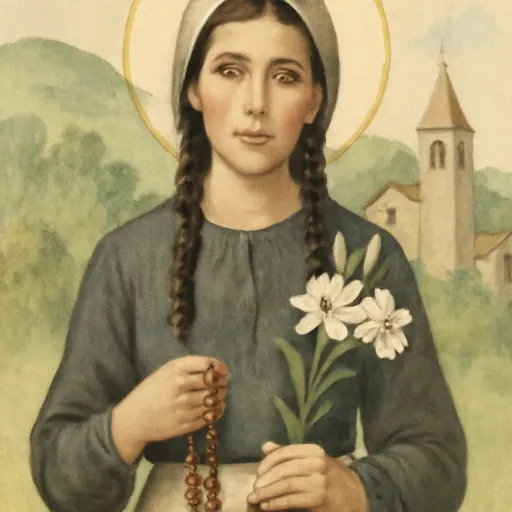
Blessed Teresa Bracco (1924–1944) was a farm worker from Santa Giulia, near Dego in northern Italy. During a German sweep of the village in August 1944, a soldier carried her off; she resisted him, and he killed her rather than let her go. John Paul II beatified her as a virgin and martyr in 1998. Her feast is August 29.
Who was Blessed Teresa Bracco?
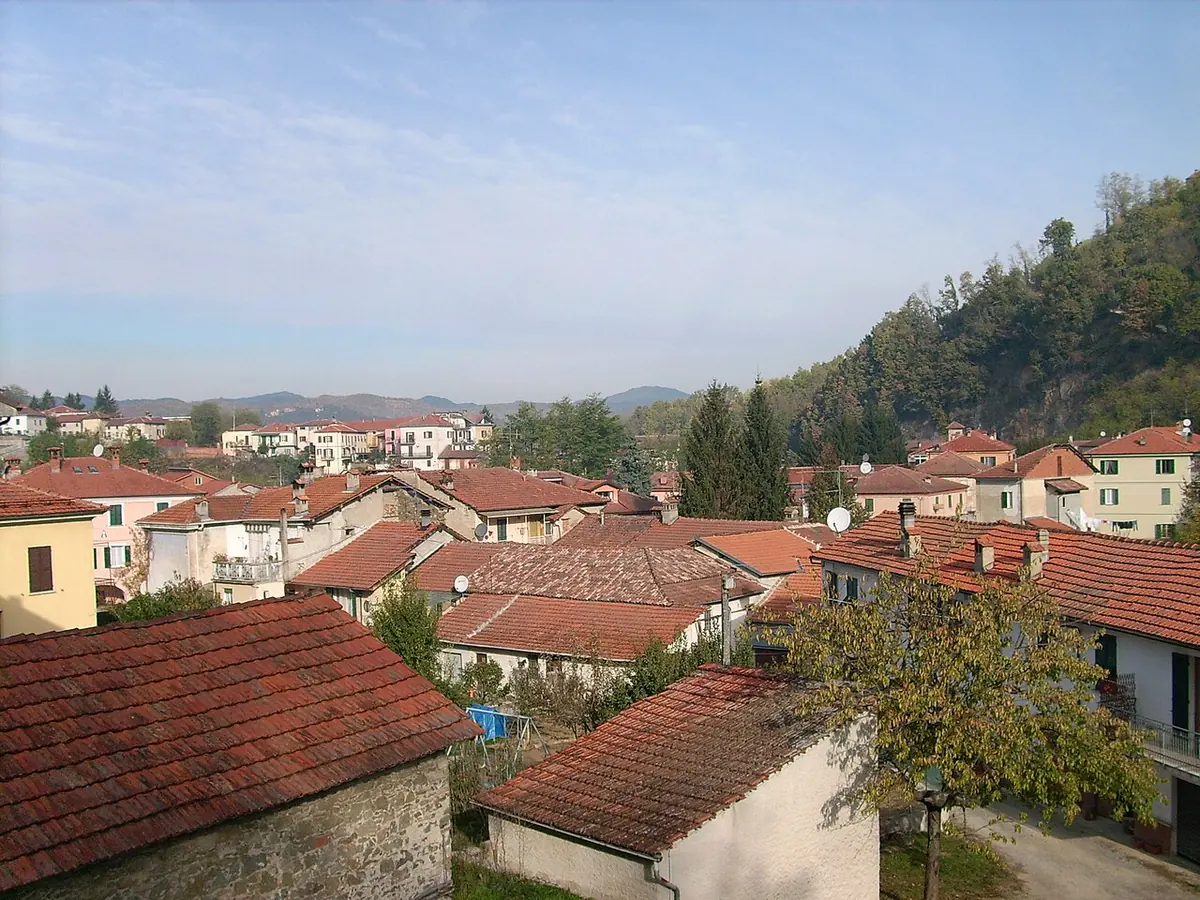
Blessed Teresa Bracco was a twenty-year-old farm girl who died in the woods above her village rather than give in to a soldier's violence. She lived her whole short life at Santa Giulia, a scatter of houses in the hills of the upper Bormida valley near Dego, in the Diocese of Acqui. She tended sheep, worked the fields, went to Mass every morning and prayed the rosary as she worked. On August 28, 1944, during a German sweep of the village, she was killed defending her chastity. Pope John Paul II beatified her as a virgin and martyr in Turin on May 24, 1998, and we keep her feast on August 29.
The life of Blessed Teresa Bracco
A farming family in the hills
Teresa was born on February 24, 1924, the sixth of seven children of Giacomo and Angela Bracco. At home they called her Ginin. Her parents were poor and devout. Her mother opened a big prayer book every day, and after Sunday Mass her father questioned the older girls on the readings and the sermon. In 1927 the family buried two sons, aged nine and fifteen, within three days of each other.
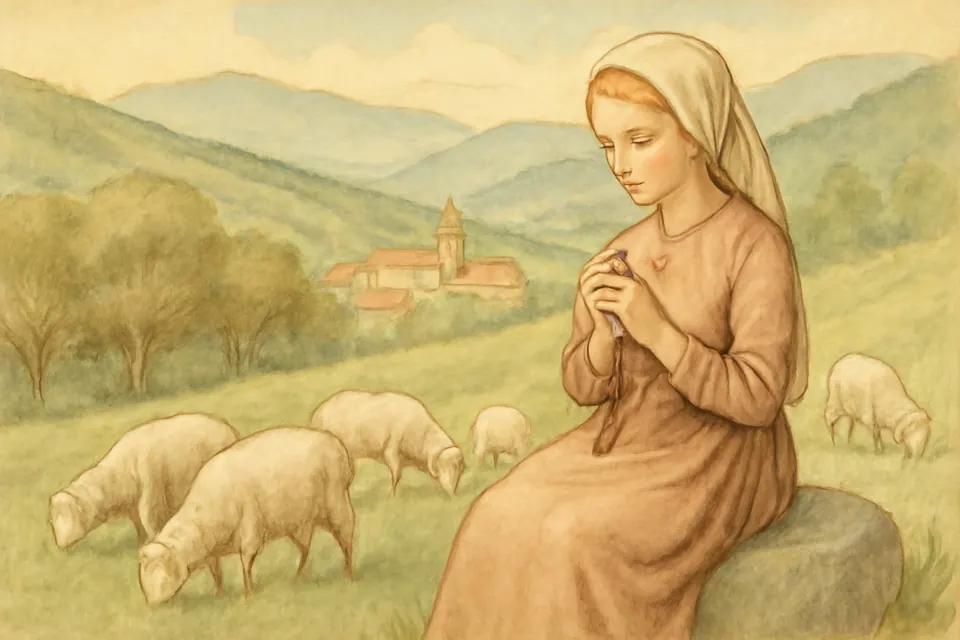
There was no school past the fourth grade in Santa Giulia, so Teresa went to work, first as a shepherdess. A girl who herded with her remembered trying always to graze her flock near Ginin's, because Ginin knew how to pray the rosary, and the day in the pasture went by to the rhythm of the Hail Marys.
"Death rather than sin"
In 1933 the Salesian Bulletin that came to the house carried on its cover a picture of St. Dominic Savio, the farm boy and pupil of St. John Bosco whose heroic virtue the Church had just recognized. Teresa, nine years old, cut out the picture and fixed it at the head of her bed. His motto, "Death rather than sin," became her own. She also loved the virgin martyrs St. Agnes, St. Cecilia and St. Lucy, and St. Julia, patron of her village.
She grew into a quiet, modest young woman with large dark eyes and heavy brown braids. Her pastor, Father Natale Olivieri, guided her faith and lent her books. With her father's help she gave up sleep to walk to the dawn Mass every day, because nothing would keep her from Holy Communion. One villager said later that he had never seen a girl like her before or since.

During the war, word reached Santa Giulia of what soldiers had done to other girls. Teresa said at once, in words John Paul II quoted at her beatification: "Rather than be defiled, I prefer to die."
August 28, 1944
Her father died in the spring of 1944. On the morning of August 28 Teresa went to Mass and then set out for the fields. News came that German troops were in Santa Giulia, and she ran back toward home to be with her mother. Women and children had hidden in a ravine called the Rocchezzo; the soldiers found them and took the youngest women away, Teresa among them.
The officer who took her led her toward the woods. She refused him and tried to escape among the trees. He caught her, strangled her and shot her through the heart, and he left her body in the woods. It was found two days later, on August 30. Within months people in the nearby parishes were telling of favors received through her prayers, and they began to call her the new Maria Goretti of the Langhe.
Beatification and the miracles of Blessed Teresa Bracco
Because the Church recognized her death as martyrdom, no approved miracle was needed for her beatification. John Paul II beatified her in Turin on May 24, 1998, the feast of Mary Help of Christians, together with Blessed Giovanni Maria Boccardo and Blessed Teresa Grillo Michel, during his pilgrimage to the Shroud. He held her up especially to the young, and greeted the farmers of the Langhe and Piedmont who had come in great numbers to honor her. The graces people report through her prayers remain reported until one is examined for a canonization.
Symbols of Blessed Teresa Bracco in art
Images of Blessed Teresa are modern. Look for:
- The martyr's palm: for the death she accepted rather than sin.
- The lily: the sign of purity and virginity.
- The rosary: the prayer she said all day in the pasture.
- Peasant dress, headscarf and braids: she is shown as the country girl she was, sometimes with sheep or with the wooded hills of Santa Giulia behind her.
Feast day, shrine and prayer
The Roman Martyrology names her on August 29; the Diocese of Acqui and the dioceses of Piedmont keep her memorial on August 30. Her remains rest in the sanctuary of her own village, Santa Giulia, in the commune of Dego. See more saints of August on our feast days page and other young holy people on our young saints page.
The opening prayer of her Mass, as printed by Santi e Beati, reads in our translation:
Almighty and eternal God, who filled the blessed martyr Teresa Bracco with deep love and strength, grant us, through her intercession, to recognize the worth of chastity and to shape our whole lives by the Gospel. Through our Lord Jesus Christ, your Son, who is God, and lives and reigns with you in the unity of the Holy Spirit, for ever and ever. Amen.
Let us ask Blessed Teresa to pray for young people, for victims of violence, and for all who work the land.
Frequently asked questions
Who was Blessed Teresa Bracco?
A country girl born in 1924 at Santa Giulia, in the hills of the upper Bormida valley near Dego. She left school after the fourth grade to tend the family's sheep, went to daily Mass and prayed the rosary as she worked. She was killed at twenty on August 28, 1944, defending her chastity.
How did Teresa Bracco die?
German troops swept through Santa Giulia on August 28, 1944, and seized several young women. The soldier who took Teresa tried to violate her; she fought him and ran for the woods, and he strangled her and shot her. Her body was found two days later.
When is the feast of Blessed Teresa Bracco?
The Roman Martyrology names her on August 29. Her own Diocese of Acqui and the dioceses of Piedmont keep her memorial on August 30.
Why is Teresa Bracco compared to St. Maria Goretti?
Both were young country girls who chose death rather than consent to sin, and both are honored by the Church as martyrs of purity. Soon after her death the people of the area began calling Teresa the new Maria Goretti of the Langhe.
Keep exploring
Sources
- Dicastery for the Causes of Saints: Teresa Bracco (biography and John Paul II's beatification homily, May 24, 1998). Birth on February 24, 1924, beatification on May 24, 1998, memorial on August 29, her words 'Rather than be defiled, I prefer to die,' and the Pope's homily (our translations from the Italian)
- Beata Teresa Bracco, Santi e Beati (Maria Di Lorenzo). The Roman Martyrology entry, the deaths of her brothers in 1927, the Salesian Bulletin and Dominic Savio's motto, the ravine of Rocchezzo, her burial in the sanctuary of Santa Giulia, the August 30 memorial, and the collect (our translations)