Blessed María Pilar Izquierdo Albero, Foundress of the Missionary Work of Jesus and Mary

Blessed María Pilar Izquierdo Albero (1906–1945) was a poor working woman of Zaragoza who spent more than ten years paralyzed and blind, was suddenly healed on December 8, 1939, and founded what became the Missionary Work of Jesus and Mary to serve the poor through the works of mercy. Pope John Paul II beatified her on November 4, 2001. Her feast is August 27.
Who was Blessed María Pilar Izquierdo Albero?
Blessed María Pilar Izquierdo Albero was a working girl from Zaragoza whose body failed her early. For more than ten years she lay paralyzed and blind in hospitals and in an attic room, and from that bed she gathered young women and spoke of a "Work of Jesus." On December 8, 1939, she was suddenly healed. In the six years left to her she founded a missionary work for the poor of Madrid's outskirts, was misunderstood, and was pushed aside. Pope John Paul II beatified her on November 4, 2001, and we keep her feast on August 27.
The life of Blessed María Pilar
A poor family in Zaragoza
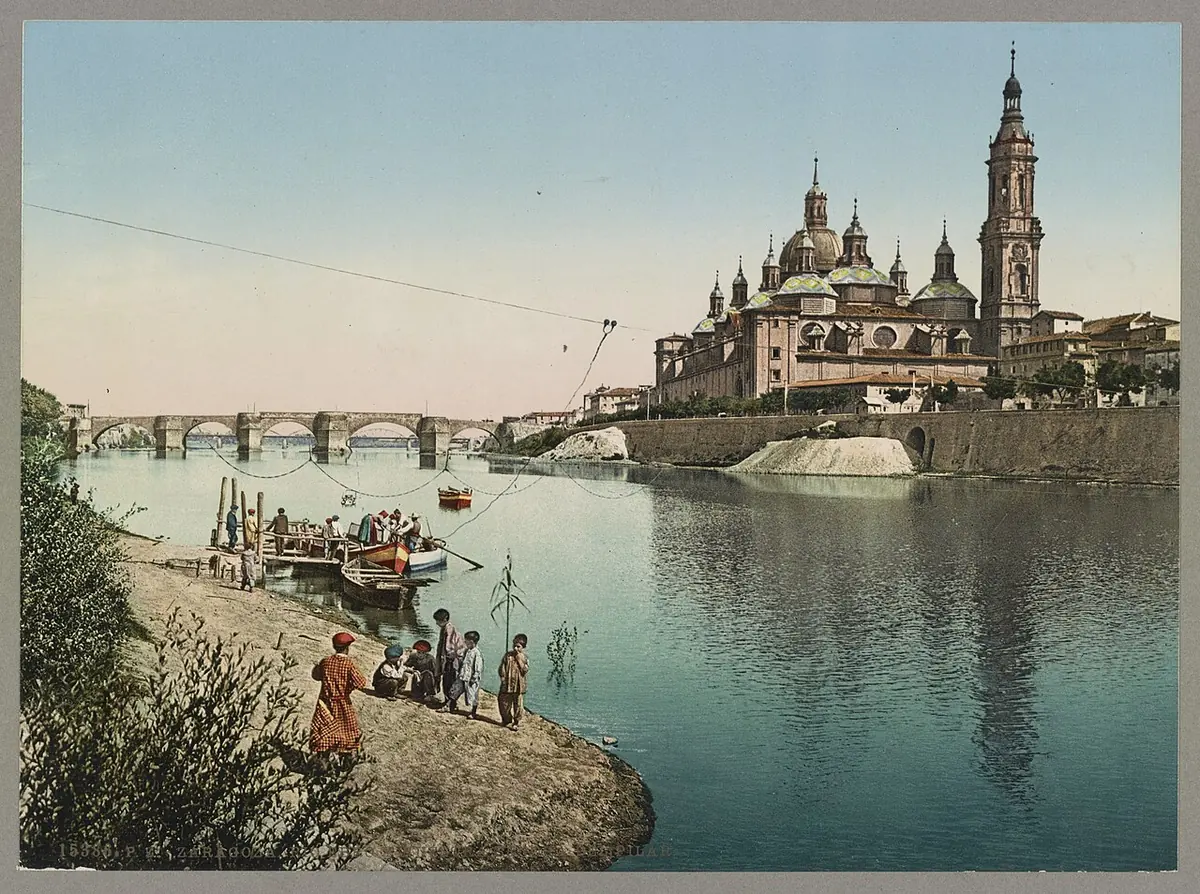
María Pilar was born in Zaragoza on July 27, 1906, into a poor family. Her name, Pilar, is the name of Our Lady of the Pillar, the patroness of her city. From childhood she loved God and the poor. Illness came early: she spent several years in the village of Alfamén for her health. Back in Zaragoza she worked in a shoe factory to help her family.
Ten years in bed
In 1926 she fell from a tram and fractured her pelvis. In 1927 cysts left her paralyzed and blind. She spent the next years between the hospitals of Zaragoza and the attic where she lived, and she prayed there through the Spanish Civil War. Her suffering was real, and so was her joy in it. "In suffering," she said, "I find so great a love for our Jesus that I die."
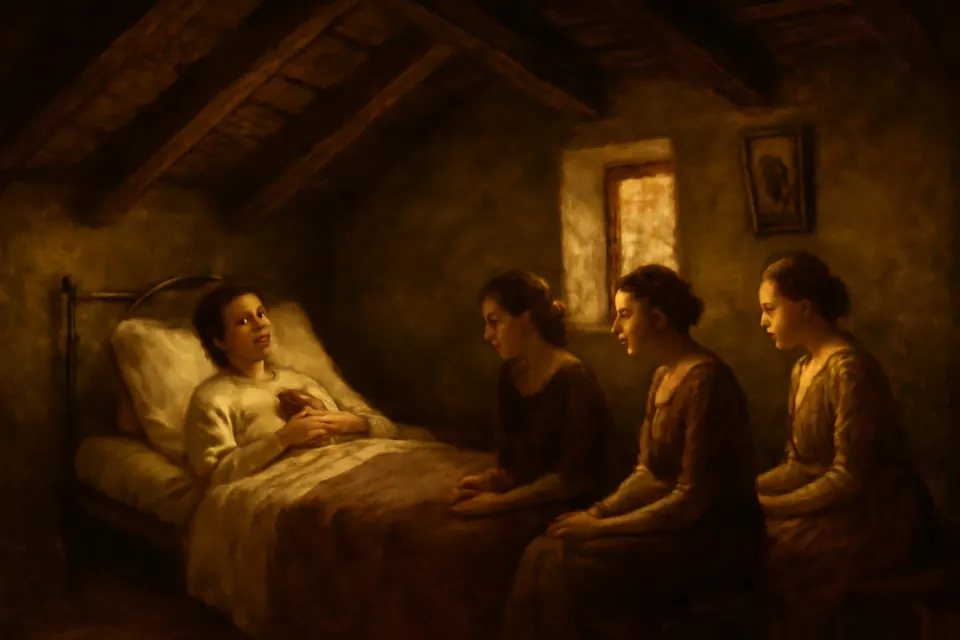
Young women came to her bedside for advice about their vocations. In 1936 she began to speak of a Work of Jesus that would "reproduce the active life of the Lord on earth through works of mercy."
Healed on the feast of the Immaculate Conception
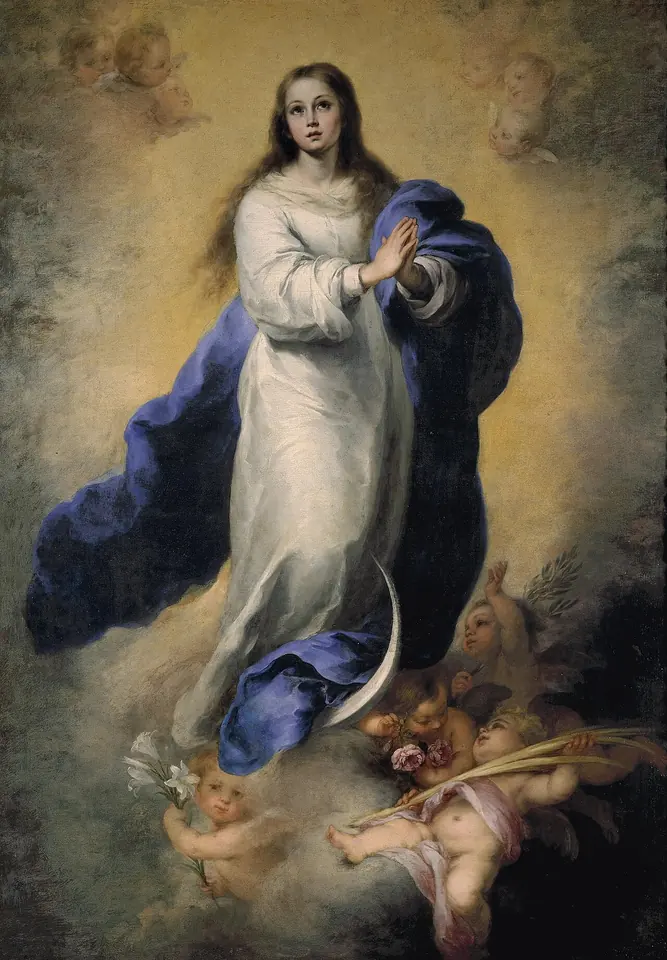
On December 8, 1939, the feast of the Immaculate Conception, she was healed of the paralysis that had kept her in bed for more than ten years. The cysts disappeared and her sight came back at once. She credited the Blessed Virgin. We count this as a reported grace: it was her own healing, not the miracle the Church later examined for her beatification.
Madrid, opposition and a third beginning
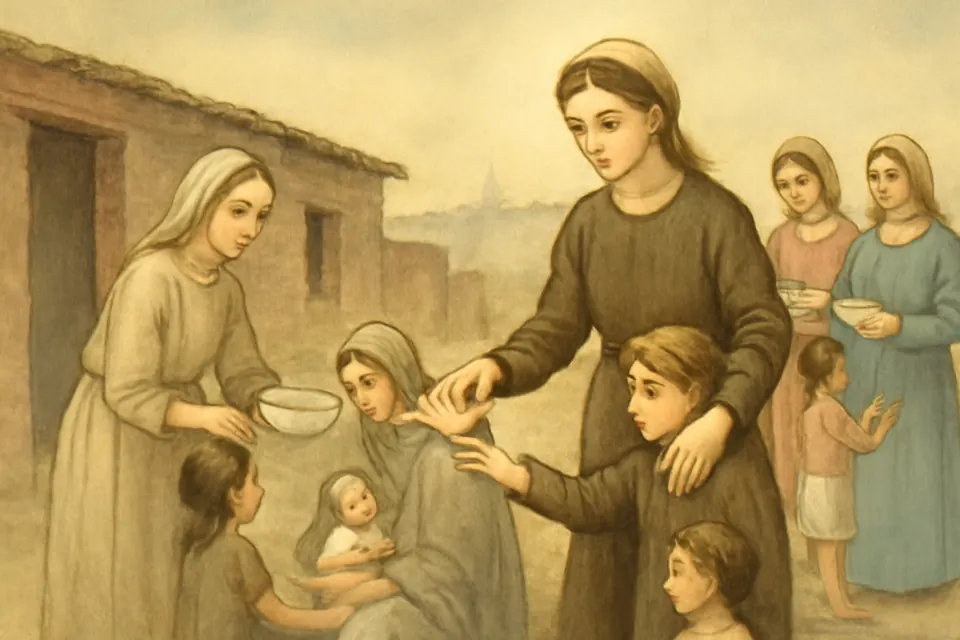
That same year she went to Madrid with a group of young companions to serve the poor. The Bishop of Madrid first approved her foundation, the Missionaries of Jesus and Mary, then withdrew his approval and asked that it be dissolved; she was forbidden all apostolate until 1942. That year he approved a second form, the Pious Union of Missionaries of Jesus, Mary and Joseph. For two years she and her daughters taught the catechism and fed the hungry on the outskirts of the city. Madrid had just come through the Civil War, and the shantytowns on its edges were full of families with little food and no church nearby. John Paul II later said she "was aware of the need to catechize with the Gospel the outlying districts [of Madrid] and to give to eat to the hungry, in order to become more conformed to Christ through the works of mercy." That was the whole program of her Work: the active life of Jesus, carried out one meal and one lesson at a time.
In 1944 she fell ill again. Calumny and intrigue inside her own community then led her to withdraw from it, and nine of her sisters went with her. She died in San Sebastián on August 27, 1945, at thirty-nine. In 1948 her daughters received the bishop's approval for the third and final form of her foundation, the Missionary Work of Jesus and Mary.
Her beatification
Her cause opened in 1983. Pope John Paul II declared her heroic virtues on December 18, 2000, and recognized an approved miracle attributed to her intercession by decree on July 7, 2001. He beatified her in St. Peter's Square on November 4, 2001, with seven others. In his homily he said her short life could be summed up in the words "praise God and in everything accomplish His will," and that "the love for God, for the Cross of Jesus, for her neighbour in need were the great concerns of the life of the new Blessed."
Symbols of Blessed María Pilar in art
She lived in the age of photography, so images follow her real appearance: a young Spanish woman in a plain dark dress, often with a crucifix. Look for:
- A sickbed: for her years of paralysis and blindness.
- A crucifix: for her love of the Cross of Jesus.
- Bread or the poor around her: for the works of mercy her foundation exists to do.
Feast day and where she is honored
We keep her feast on August 27. The Missionary Work of Jesus and Mary keeps her memory in its houses in Spain and abroad. See our feast days page.
Praying with Blessed María Pilar
Her sisters publish a prayer for her intercession in Spanish, which we do not reprint. Let us ask her to pray for people who are bedridden, paralyzed or losing their sight, for those whose good work is misunderstood by others in the Church, and for the hungry on the edges of our cities. Blessed María Pilar Izquierdo, pray for us.
Frequently asked questions
Who was Blessed María Pilar Izquierdo Albero?
A shoe-factory worker from a poor family in Zaragoza who became paralyzed and blind in 1927. From her sickbed she gathered young women who wanted to serve God, and after her healing in 1939 she began a missionary work for the poor on the outskirts of Madrid. She died in San Sebastián at thirty-nine.
When is the feast of Blessed María Pilar Izquierdo?
August 27, the day she died in 1945.
Was María Pilar Izquierdo healed by a miracle?
She was healed of her paralysis, and her sight returned, on December 8, 1939, the feast of the Immaculate Conception. This healing of her own is a reported grace, not the miracle approved for her beatification, which the Church recognized by decree on July 7, 2001.
What did María Pilar Izquierdo found?
Her foundation went through three forms. The first, in Madrid in 1939, was dissolved; a second was approved as a pious union in 1942; after her death her sisters received approval in 1948 for the third and final form, the Missionary Work of Jesus and Mary.
Keep exploring
Sources
- María Pilar Izquierdo Albero (1906-1945), biography (Holy See). Her accident and paralysis, her two sayings, the healing of December 8, 1939, the three forms of her work, and her death
- 4 November 2001: Beatification of 8 Servants of God, Homily of John Paul II. 'Praise God and in everything accomplish His will'
- Hagiography Circle: 1945. Cause opened December 29, 1983; heroic virtues December 18, 2000; miracle decree July 7, 2001; beatification November 4, 2001