Blessed Miroslav Bulešić, Priest and Martyr of Istria
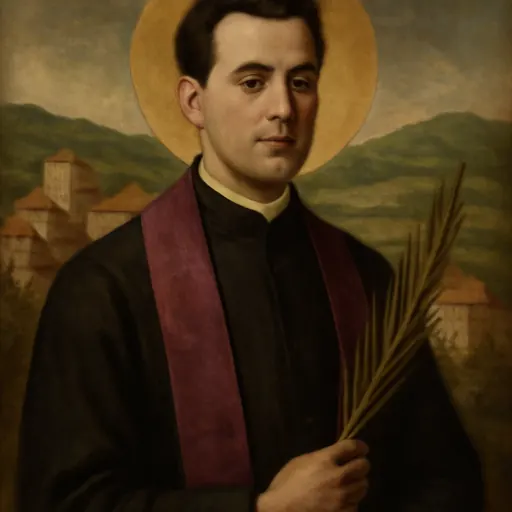
Blessed Miroslav Bulešić (1920–1947) was a young priest of Istria, in today's Croatia, who refused to abandon his people when Tito's communists took power. On August 24, 1947, after helping give Confirmation in Lanišće, he was beaten and stabbed to death, saying, "Jesus, take my soul." He was beatified as a martyr in 2013. His feast is August 24.
Who was Blessed Miroslav Bulešić?
Blessed Miroslav Bulešić was a Croatian Catholic priest from Istria, the peninsula at the head of the Adriatic, who was killed for the faith in 1947 at the age of 27. In the years after World War II, as Yugoslavia's communist government pressed hard on the Church, he kept serving his people openly, refused to flee, and gave his life on the day he helped bring the sacrament of Confirmation to a mountain village. The Church beatified him as a martyr in 2013.
The life of Blessed Miroslav Bulešić
From an Istrian village to Rome
Miroslav was born on May 13, 1920, in the hamlet of Čabrunići, in the parish of Svetvinčenat. At the time Istria belonged to Italy. He entered the seminary at Koper (Capodistria) in 1931 and in 1939 went to Rome to study at the Pontifical Gregorian University, with the help of Archbishop Aloysius Stepinac of Zagreb. He was ordained a priest in his home parish church on April 11, 1943, and took as his motto "Thy kingdom come! Thy will be done!"
Pastor in wartime
His first parish, Baderna, had about 1,500 souls. He found many who no longer came to Mass and young adults who had never made their First Communion, and he went from house to house to bring them back. In a letter of May 1944 he wrote: "It is here among the sad, blood-soaked nation that we have to be good Samaritans who comfort, lift, heal every wound."
That same spring he wrote in his diary: "If You want me to come to You, here I am, I'm ready," and, "I am not afraid of martyrdom but I crave for it instead." In the fall of 1945 he became parish priest of Kanfanar, and in 1946 vice-rector and teacher at the new seminary in Pazin.
After the war he was accused of collaborating with the Germans and of keeping young men from joining the partisans. He denied it, and he said he would give the sacraments to Croats, Germans and Italians alike. Relatives begged him to escape to Italy; he answered that Italy had enough priests and his place was here. His spiritual testament, dated April 23, 1945, ends with forgiveness for his enemies, and one saying of his is remembered above all: "My revenge is forgiveness."
The martyrdom of Blessed Miroslav Bulešić
Buzet, August 23, 1947
In August 1947 he was assigned to accompany Msgr. Jakob Ukmar, the Holy See's delegate, on a tour of parishes to give Confirmation. Roads were blocked to keep the candidates away. On August 23 in Buzet, armed communists tried to force their way into the church to stop the rite. Don Miroslav stood in front of the tabernacle and told them: "You can pass through here only over my dead body."

Lanišće, August 24, 1947
Asked whether he was afraid to go on to Lanišće, he said, "You can die only once." The next morning, in the church of Sts. Cantius, Cantianus and Cantianilla, Msgr. Ukmar confirmed young people who had arrived late because of the roadblocks, while relatives and godparents guarded the church.

Around 11 o'clock the two priests went to the parish house. A group of men broke in, beat Don Miroslav, threw him against a door and stabbed him in the throat. Witnesses heard him say twice, "Jesus, take my soul." Msgr. Ukmar was beaten and left for dead in a pool of blood, but he lived and gave a full account. The local pastor survived because his mother hid him under the stairs. Santi e Beati records that the secret police tried to make the doctors certify a heart attack, and the doctors refused.

Burial and beatification
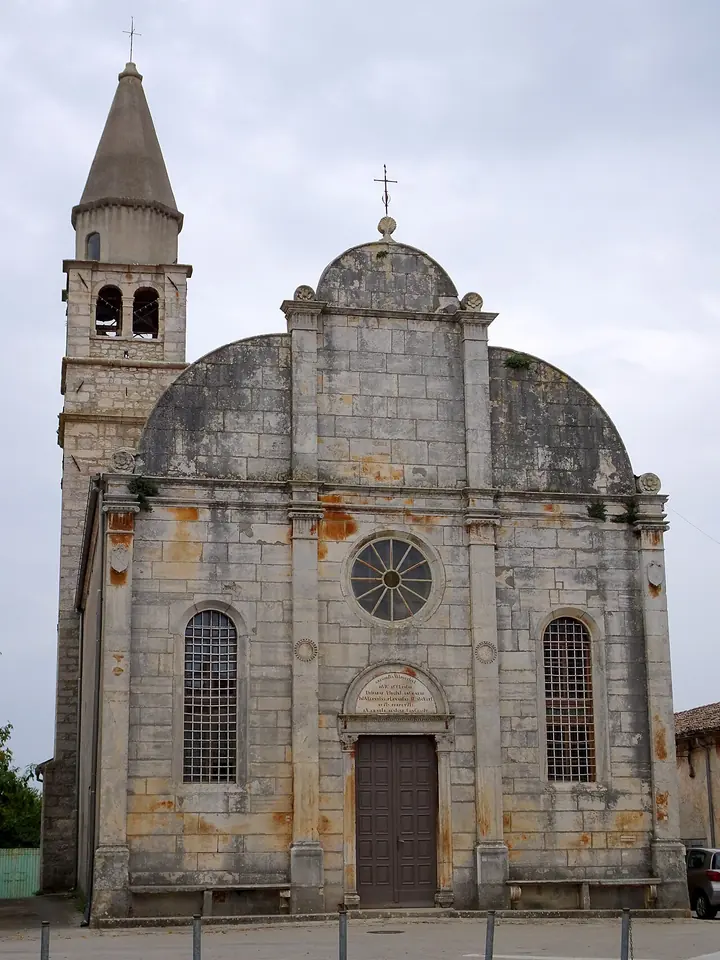
The authorities would not allow him to be buried at home, so he was laid to rest in Lanišće. In 1958 his remains were moved to Svetvinčenat on the condition that the slab bear no name; it said only presbyterum, "priest." His name was carved on it in 1987, and in 2003 his body was brought into the parish Church of the Annunciation.
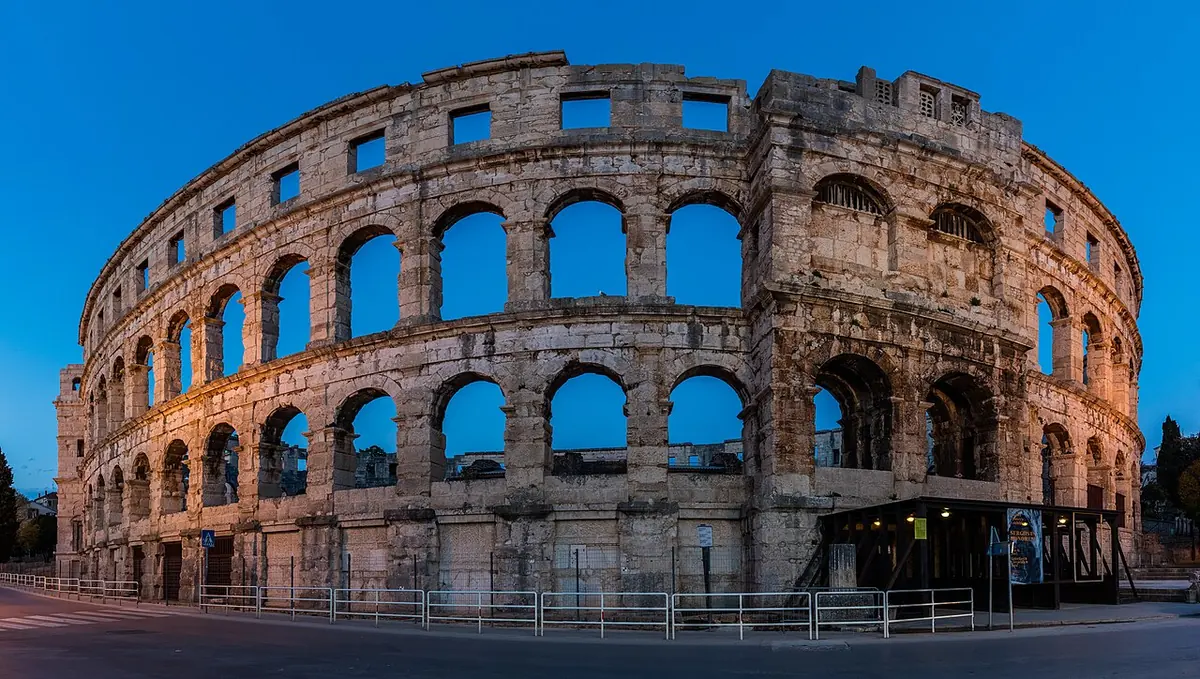
On December 20, 2012, Pope Benedict XVI recognized that he was killed in hatred of the faith. He was beatified on September 28, 2013, in the Roman arena at Pula, with Cardinal Angelo Amato presiding for Pope Francis. The next day at the Angelus, Pope Francis asked the crowd to remember "with joy" this "diocesan priest who died a martyr in 1947." As a martyr he needed no approved miracle.
Symbols of Blessed Miroslav Bulešić in art
He lived in the age of photography, and his images follow his photographs: a young, slim priest in a cassock. Painters add:
- The cassock and stole: the priesthood he would not give up.
- The martyr's palm: his death at Lanišće.
- A tabernacle or chalice: his stand at Buzet.
- Chrism or Confirmation: the sacrament he was serving when he died.
Feast day and prayer
We keep his feast on August 24. See more August saints on our feast days page.
We have not found a traditional prayer to Blessed Miroslav with a source we can cite. Let us borrow his own words, "Thy kingdom come! Thy will be done!", and ask him to pray for priests under pressure, for young people preparing for Confirmation, and for the grace to forgive as he forgave.
Frequently asked questions
Who was Blessed Miroslav Bulešić?
An Istrian priest, ordained in 1943, who served parishes at Baderna and Kanfanar and taught at the seminary in Pazin. He was killed at 27 by communist activists while accompanying a papal delegate who was giving Confirmation.
How did Miroslav Bulešić die?
On August 24, 1947, after Confirmation at Lanišće, a group of men broke into the parish house, beat him and stabbed him in the throat. The papal delegate, Msgr. Jakob Ukmar, was beaten and left for dead but survived and described the attack.
When was Miroslav Bulešić beatified?
On September 28, 2013, in the Roman arena at Pula. Cardinal Angelo Amato presided on behalf of Pope Francis, who mentioned the beatification at the Angelus the next day.
Where is Blessed Miroslav Bulešić buried?
In the Church of the Annunciation at Svetvinčenat, his home parish, where his remains were moved in 2003.
Keep exploring
Sources
- Archdiocese of Zagreb, Blessed Miroslav Bulešić. His motto, the quotations from his diary and letters, and his last words
- Beato Miroslav Bulešić, Sacerdote e martire, Santi e Beati. His parishes, the attack at Lanišće, Ukmar's survival, the burials of 1958 and 2003, and the stages of the cause
- Pope Francis, Angelus, September 29, 2013. 'A diocesan priest who died a martyr in 1947'