St. Cosmas of Aetolia (Kosmas Aitolos)
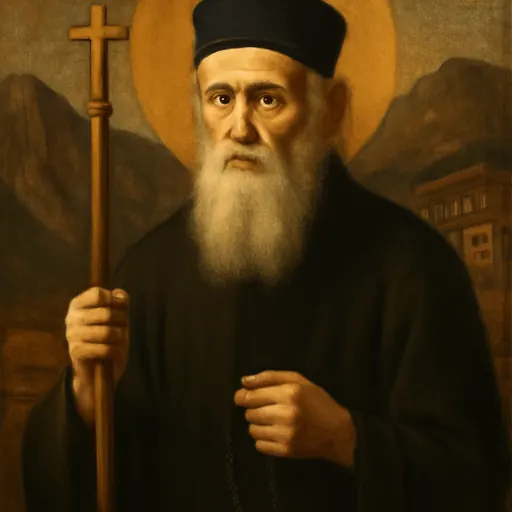
St. Cosmas of Aetolia (about 1714–1779), in Greek Kosmas Aitolos, was a monk of Mount Athos who walked the villages of Ottoman Greece and Albania for many years, preaching repentance and love, and founding church schools. He was strangled by the Ottoman authorities near Berat in 1779. The Orthodox Church keeps his feast on August 24 and honors him as a new martyr and Equal to the Apostles.
Who was St. Cosmas of Aetolia?
St. Cosmas of Aetolia, known in Greek as Kosmas Aitolos and to the people simply as Patrokosmas, "Father Cosmas," was an eighteenth-century monk of Mount Athos who left his monastery to preach the Gospel on foot across Ottoman-ruled Greece and southern Albania. He was born about 1714 and was put to death in 1779. For years he went from village to village, opening church schools and planted wooden crosses wherever he preached.
The Orthodox Church honors him as a new martyr and gives him the rare title "Equal to the Apostles," the same title it gives to those who first brought a people to Christ. For the Greeks of his day he did something close to that: he brought the faith back to villages where poverty and fear had worn it thin.
The life of St. Cosmas of Aetolia
From Aetolia to Mount Athos
He was born Constas (Konstantinos) in the village of Mega Dendron, "Great Tree," in Aetolia in western Greece. He first studied with the archdeacon Ananias Dervisanos. As a young man he went to Mount Athos and studied at the school of Vatopedi, then entered the monastery of Philotheou, where he was tonsured with the name Cosmas and later ordained a priest-monk.
The call to preach
On Athos, the Orthodox Church in America's life tells us, he could not shake the thought of the Christians in the villages, many of them unable to read and with no one to teach them the faith. With his abbot's blessing he went to Constantinople, studied rhetoric, and asked Patriarch Seraphim II for permission to preach. He received it in writing, and his successor Sophronius renewed it.
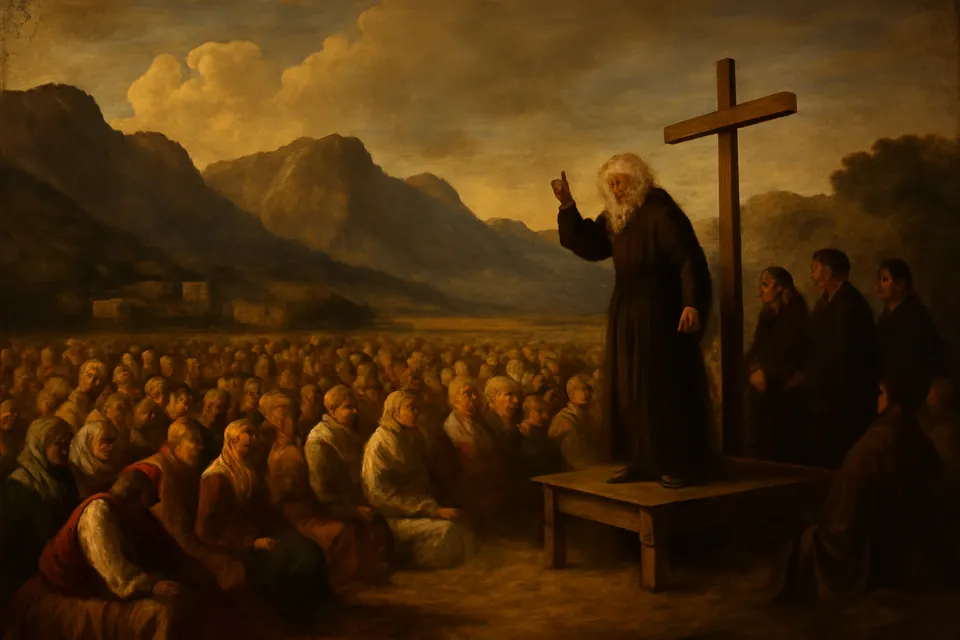
He traveled through Constantinople and its villages, Thessalonica, Veroia, Macedonia, Epirus, Akarnania and Aetolia, the Ionian islands of Lefkada and Kefalonia, and the hills of southern Albania. When churches could not hold the crowds he served vigils in fields and town squares with forty or fifty priests around him.
Schools, books and crosses
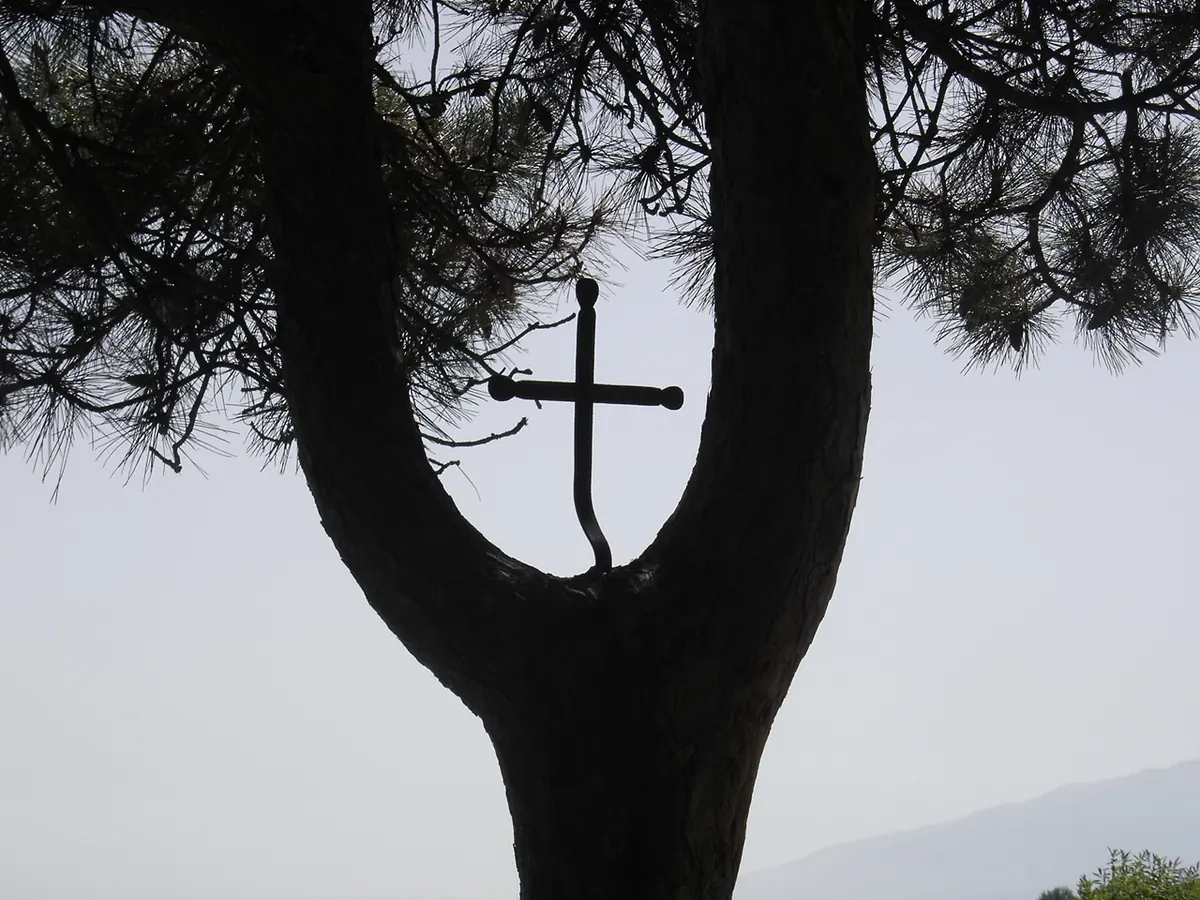
He preached simply and gently, in the spoken Greek of the people. The money that grateful listeners gave him went to opening church schools, buying books for those who could read, prayer ropes and crosses for those who could not, and baptismal fonts for the churches. Wherever he preached, the people raised a large wooden cross in his memory. Some of those places are still marked today, like the old pine at Ano Milia in Pieria, where an iron cross stands in the fork of the trunk.
His sermons, taken down by listeners, return again and again to love. "If you wish to be saved," he taught, "seek no other thing here in this world as much as love." Love of God and love of neighbor belong together: "Just as a swallow needs two wings in order to fly in the air," so we need both.

Martyrdom near Berat
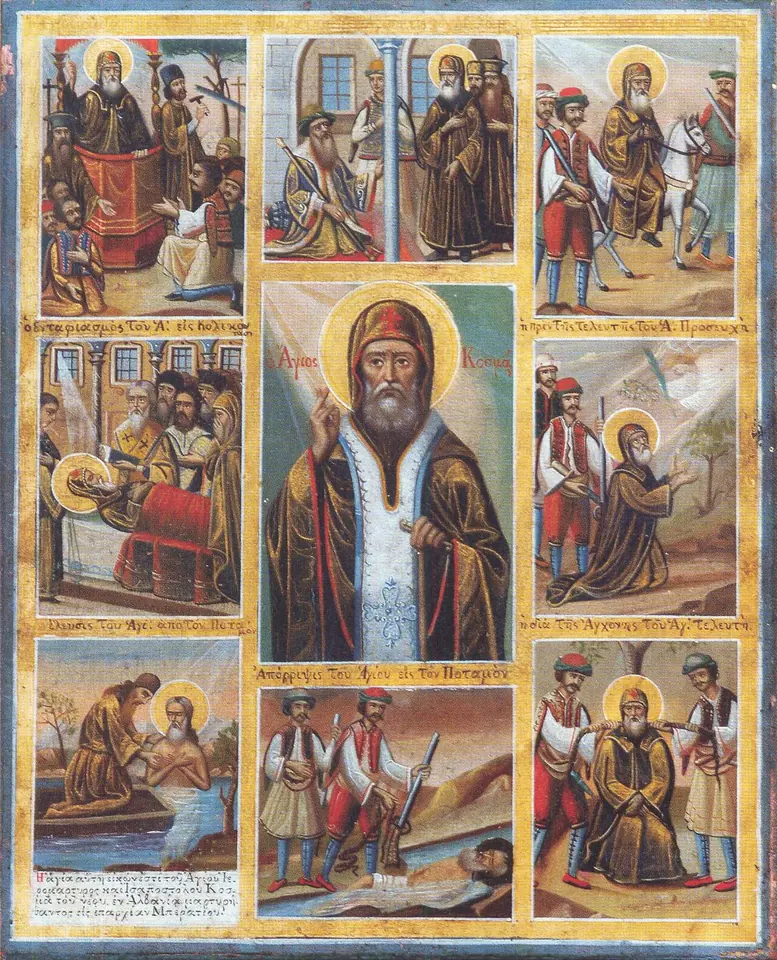
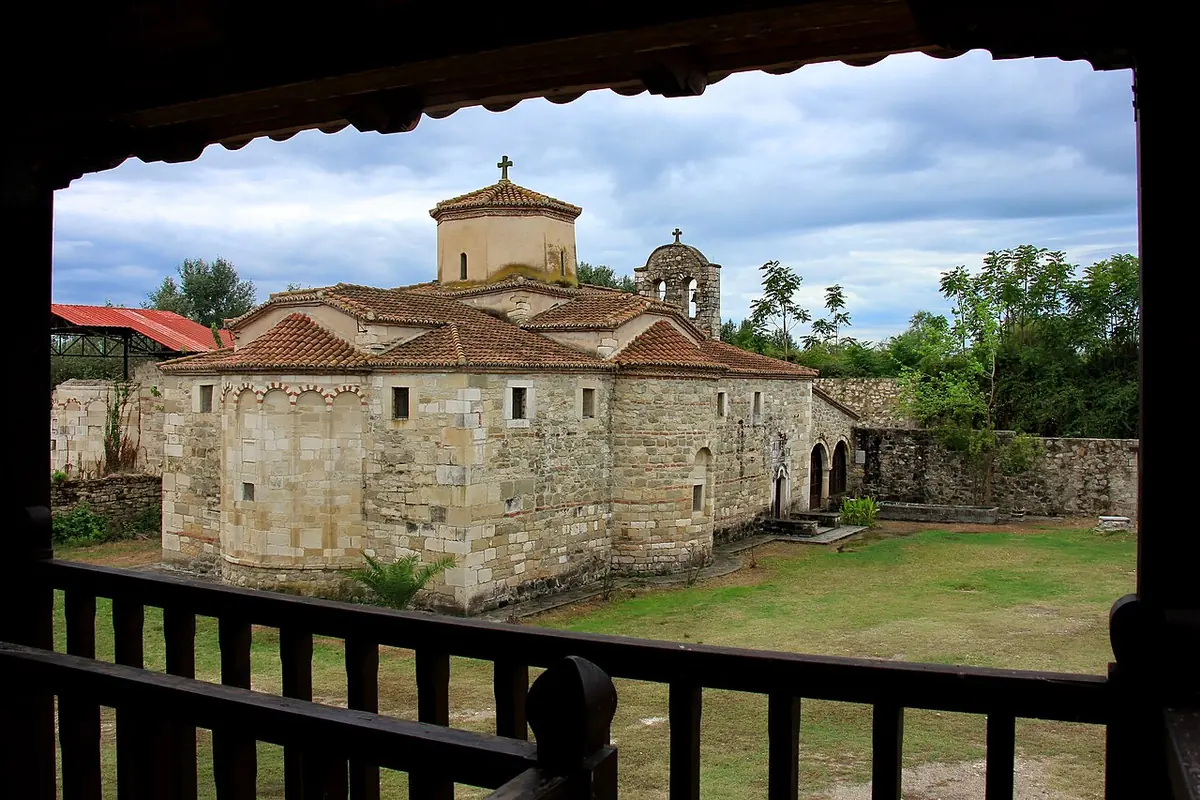
His success made enemies, and Ottoman officials grew suspicious of the crowds that followed him. In August 1779 he was seized near the village of Kolkondas, in the region of Berat, on the orders of the local pasha, and strangled without trial. He was about sixty-five. His body was thrown into a river. Three days later a priest named Mark found it and buried it nearby, at the monastery of the Entrance of the Mother of God at Kolkondas.
Miracles and prophecies
His biographers say that God confirmed his preaching with signs and healings, and wonders were reported at his grave. None of these was examined by a formal inquiry, so we count them as traditional. The same is true of his famous prophecies, sayings about wars, roads and the future of the Greek people that are still repeated in Greece. They were remembered by his hearers and written down later, often in several versions, and the Church has never ruled on them.
Why St. Cosmas is called Equal to the Apostles
He has no formal patronage, but his title explains how the Church sees him: like the Apostles he went from town to town with nothing but the Gospel, and his preaching renewed whole regions. The schools he founded made him a father of learning as well as of faith for the villages of Epirus.
Symbols of St. Cosmas of Aetolia in art
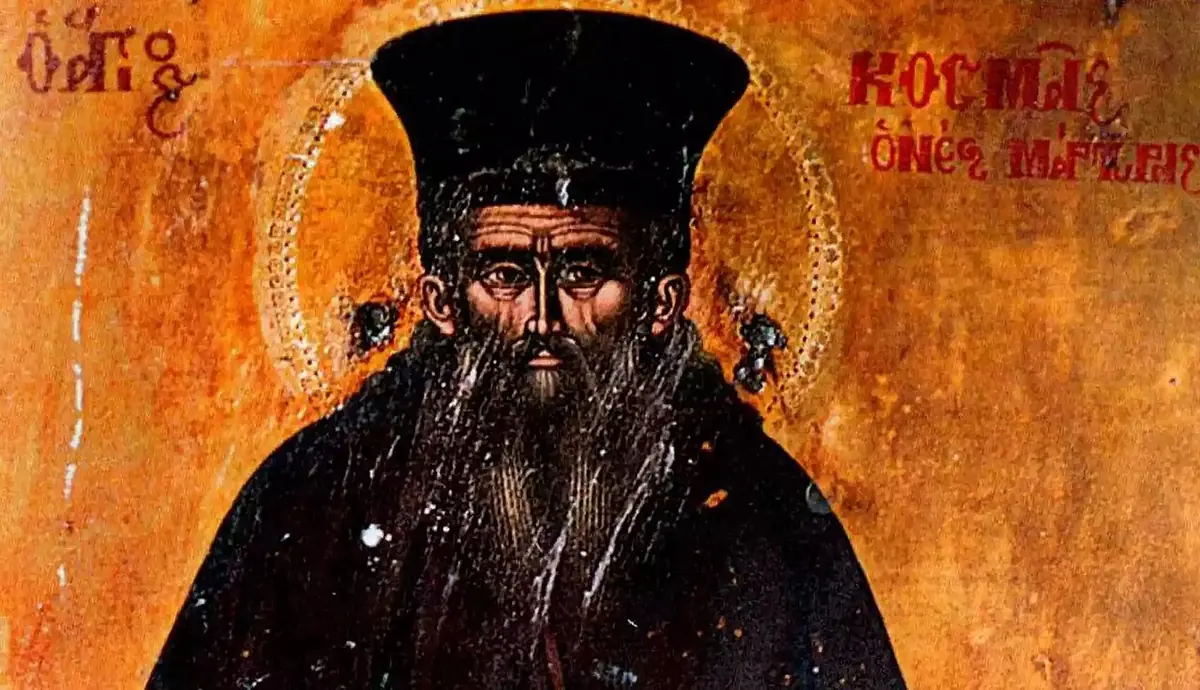
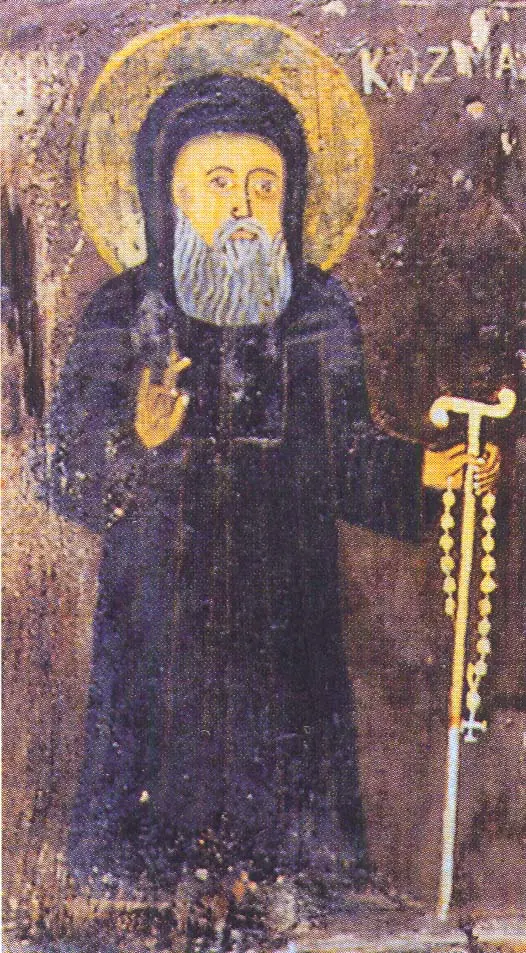
- Black monastic habit and cap: he is shown as a lean, bearded Athonite monk.
- Tall wooden cross: the cross he carried and the crosses the people raised where he preached.
- Prayer rope: often hanging from his staff, for the ropes he gave away.
- Scroll or book: his teaching, sometimes with a line from his sermons.
- Scenes of preaching and martyrdom: larger icons ring him with small panels of his life, as in the Athonite icon on this page.
Don't confuse him with Sts. Cosmas and Damian, the twin doctors of the early Church, who are shown in physicians' robes with medicine boxes.
Feast day and where he is honored
We keep his memory on August 24, the day of his martyrdom (September 6 on the Julian calendar). The Ecumenical Patriarchate glorified him in 1961. His grave and the monastery that grew up over it are at Kolkondas, near Fier in Albania, and parts of his relics were later given to other churches. See the saints of each day on our feast days page.
Praying with St. Cosmas of Aetolia
There is no Western prayer to St. Cosmas with a known origin; the Orthodox Church sings his troparion and kontakion on his feast. He taught the people the Jesus Prayer, "Lord Jesus Christ, Son of God, have mercy upon me, a sinner," and asked them to say it often. Let us pray it with him, and ask St. Cosmas to pray for us, that we may learn the two wings of love for God and love for our neighbor.
Frequently asked questions
Who was St. Cosmas of Aetolia?
A Greek monk and priest from Aetolia, trained on Mount Athos, who preached from village to village across Greece and southern Albania in the 1760s and 1770s. He opened schools, taught the faith to people who had almost lost it, and was put to death by the Ottoman authorities in 1779.
When is the feast of St. Cosmas of Aetolia?
August 24, the day of his martyrdom. Churches on the Julian calendar celebrate it on September 6.
When was Cosmas of Aetolia canonized?
The Ecumenical Patriarchate of Constantinople glorified him as a saint in 1961, on April 20, under Patriarch Athenagoras. He had been venerated as a saint by the people long before.
What are the prophecies of St. Cosmas?
Many sayings about the future are attributed to him and are still popular in Greece. They were remembered by his listeners and written down later, often in different versions, so they belong to tradition rather than to his own writings, and the Church has never ruled on them.
Sources
- Repose of the New-Hieromartyr Cosmas of Aitolia, Equal of the Apostles, Orthodox Church in America. His studies, the patriarchal permission to preach, his death and burial, and the 1961 glorification
- The Hieromartyr Cosmas, Equal to the Apostles, from the Prologue of Ohrid (Bishop Nikolai Velimirovich)
- Saint Kosmas Aitolos, the New Hieromartyr and Equal to the Apostles, Orthodox Metropolis of Hong Kong and Southeast Asia. Quotations from his teachings