St. Vincent of Lérins

St. Vincent of Lérins was a monk and priest of the island monastery of Lérins, off the coast of Provence, who wrote the Commonitorium in 434. His rule for telling true doctrine from heresy, to hold "what has been believed everywhere, always, by all", has shaped Catholic theology ever since. His feast day is May 24.
Who was St. Vincent of Lérins?
St. Vincent of Lérins was a fifth-century monk and priest who lived on a small island off the coast of Provence and wrote one short book that the Church has been quoting for sixteen centuries. In the Commonitorium, written in 434, he set down a rule for telling the true faith from heresy: hold fast to what has been believed everywhere, always and by all. He also gave the Church its classic image for the growth of doctrine, the way a child grows into an adult and stays the same person. We keep his feast on May 24.
As the Catholic Encyclopedia puts it, his work is much better known than his life.
What we know of his life
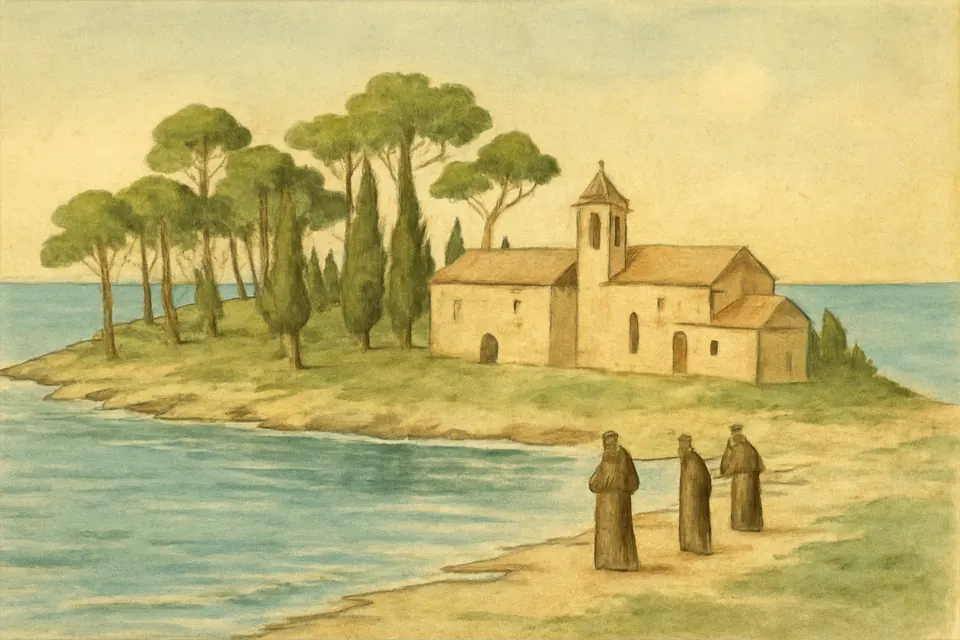
Almost everything comes from Gennadius of Marseille, who wrote his Lives of Illustrious Men late in the fifth century. Gennadius calls him "Vincentius, the Gaul, presbyter in the Monastery on the Island of Lerins, a man learned in the Holy Scriptures and very well informed in matters of ecclesiastical doctrine." He says Vincent wrote his book without signing his name, that most of the second part was stolen from him, and that he died in the reign of the emperors Theodosius and Valentinian, so before 450. St. Eucherius of Lyons, his contemporary, called him a holy man, outstanding in eloquence and learning. The Orthodox Church in America adds the tradition that he was born at Toul, served as a soldier before becoming a monk, and was the brother of St. Lupus of Troyes.
Vincent himself tells us why he chose the island. In his opening chapter he says he has left the crowds of the cities and lives "in the seclusion of a Monastery, situated in a remote grange," where he can follow the Psalmist's word, "Be still, and know that I am God."
Lérins, the island of saints
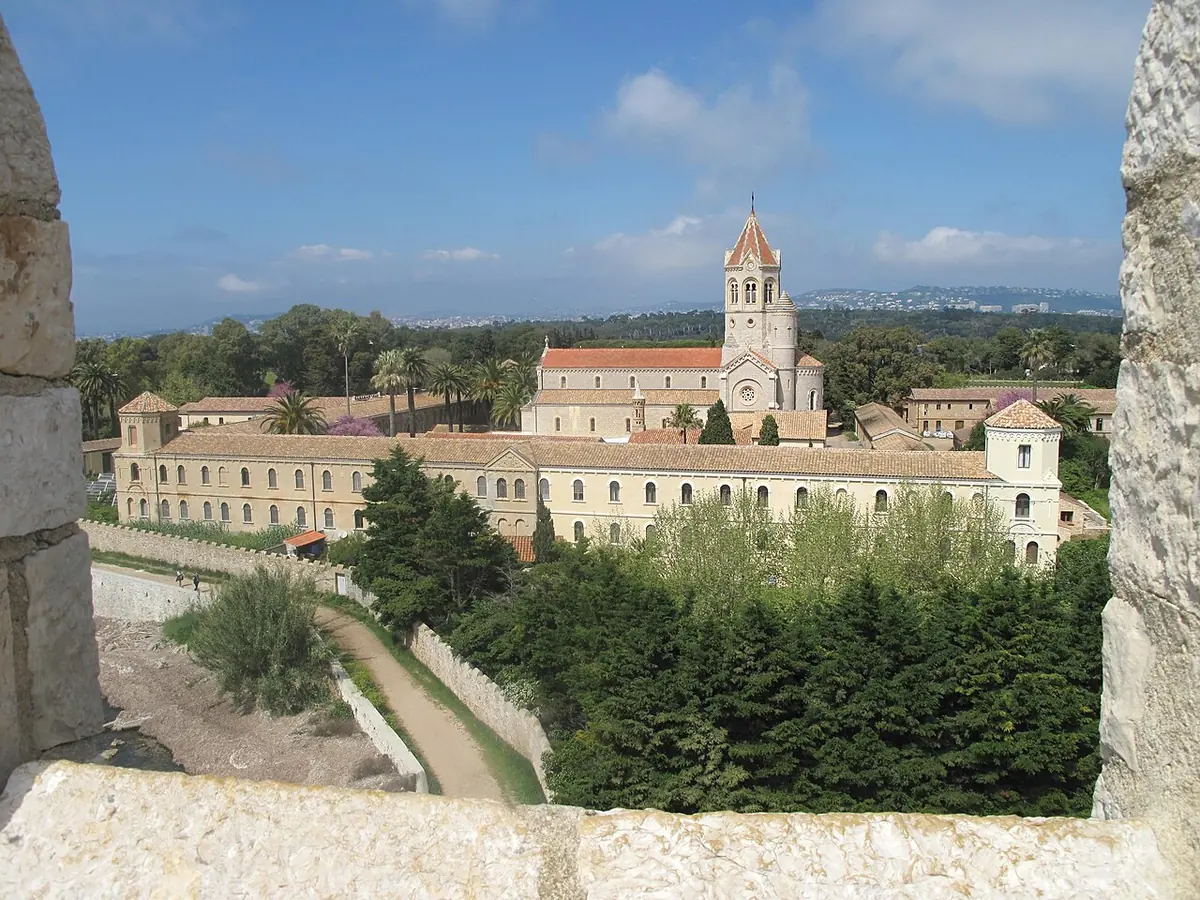
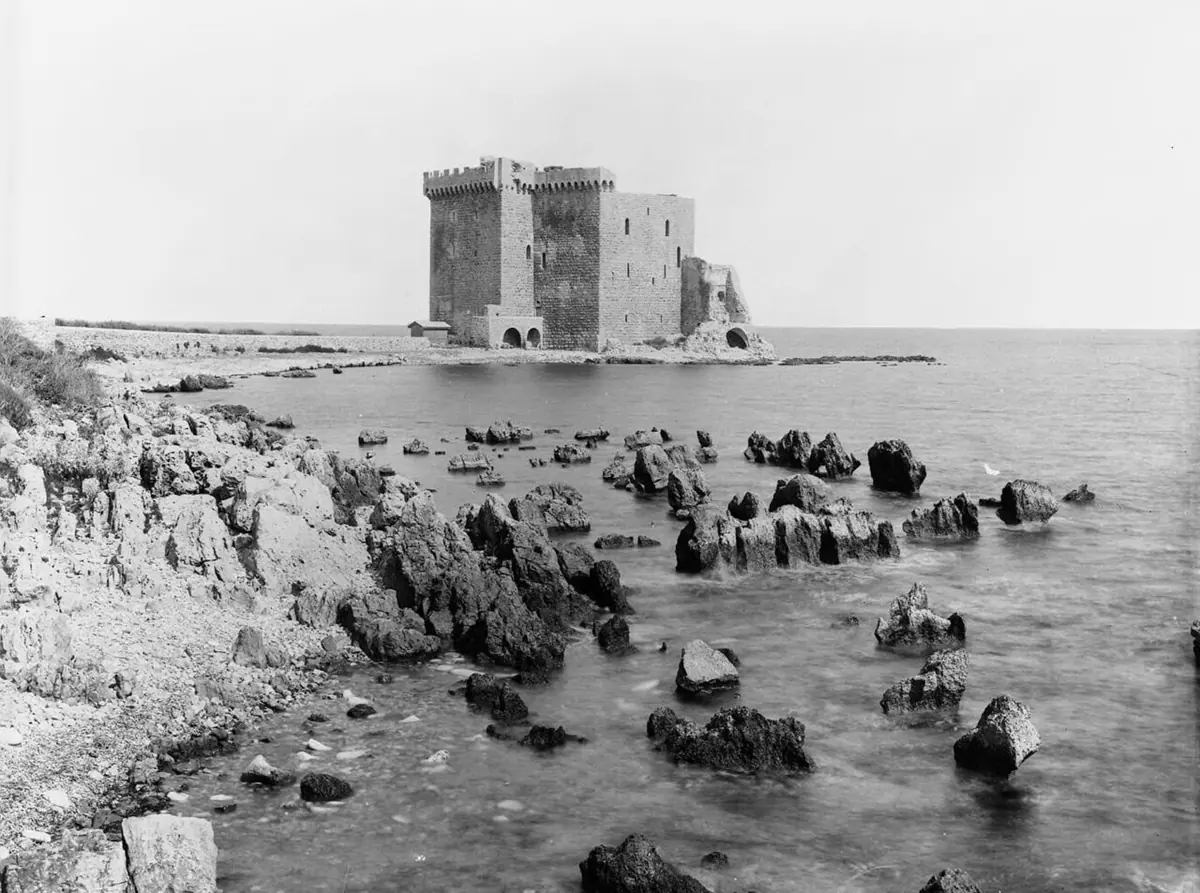
The monastery Vincent joined had been founded early in the fifth century by St. Honoratus on the island now called Saint-Honorat, a short boat ride from Cannes. It became one of the great schools of the Western Church, and many bishops of Gaul were trained there. Monks still live and pray on the island today.
The Commonitorium
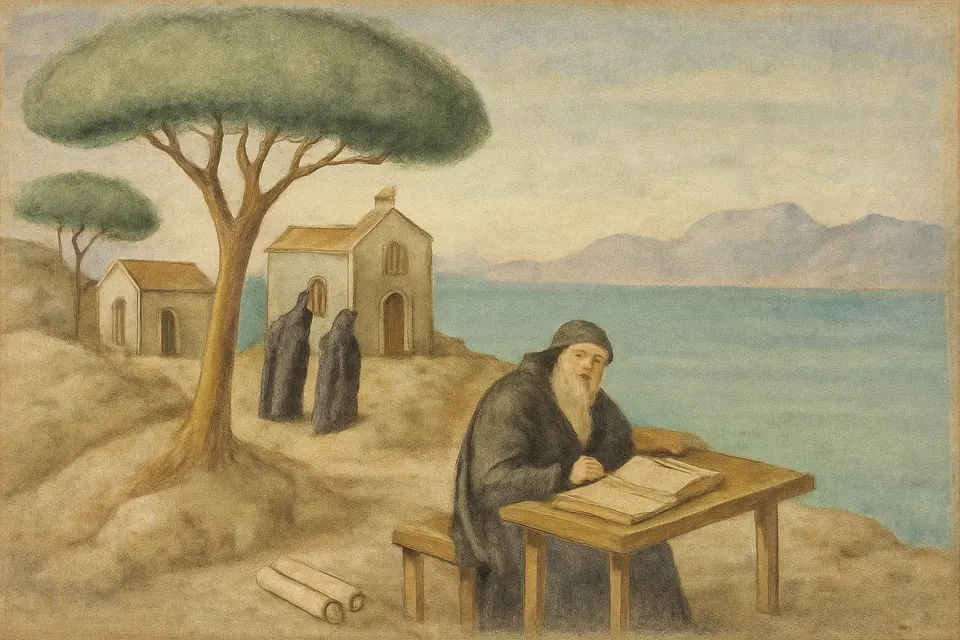
Vincent called himself Peregrinus, "the pilgrim," and "the least of all the servants of God." He wrote, he says, to put in writing "the things which I have truthfully received from the holy Fathers," as a reminder (commonitorium) for his own weak memory. He dates it by the Council of Ephesus, which had met "some three years ago," so in 434.
Everywhere, always, by all
The heart of the book is this rule, in the translation of the Nicene and Post-Nicene Fathers:
Moreover, in the Catholic Church itself, all possible care must be taken, that we hold that faith which has been believed everywhere, always, by all. For that is truly and in the strictest sense Catholic, which, as the name itself and the reason of the thing declare, comprehends all universally.
He sums it up in three words: universality, antiquity and consent. When a new doctrine troubles one region, as Donatism did, hold to the faith of the whole Church. When an error spreads almost everywhere, as Arianism did, hold to antiquity. And within antiquity, follow the general councils and the agreement of the Fathers.
Growth without change
Vincent then asks the question everyone asks next: "Shall there, then, be no progress in Christ's Church? Certainly; all possible progress." But it must be "real progress, not alteration of the faith," growth "in the same doctrine, in the same sense, and in the same meaning." Doctrine grows like a body: an infant's limbs are small and a man's are large, yet they are the same person. It should be "consolidated by years, enlarged by time, refined by age," and remain whole and unchanged in its nature. He uses the image of wheat, too: what our fathers sowed as wheat, we should harvest as wheat.
The Church took these words as her own. The First Vatican Council quoted them in Dei Filius in 1870: "May understanding, knowledge and wisdom increase as ages and centuries roll along... but this only in its own proper kind, that is to say, in the same doctrine, the same sense, and the same understanding." Pope Francis cited Vincent's "law of progress" in an address of October 11, 2017, marking twenty-five years of the Catechism of the Catholic Church.
Vincent and St. Augustine
There is a harder side to his story, and it is fair to tell it. The Catholic Encyclopedia judged that Vincent belonged to the circle in southern Gaul that resisted St. Augustine's teaching on grace and predestination, the position later called Semipelagian, and that he was probably the author of objections that St. Prosper of Aquitaine answered. It also notes, with Pope Benedict XIV, that this was before the Church had settled the question. The Church has honored him as a saint all the same, and councils and popes have quoted the Commonitorium with approval.
Miracles
No miracles are recorded of St. Vincent, in history or legend. His gift to the Church is his teaching, not wonders.
Symbols of St. Vincent of Lérins in art
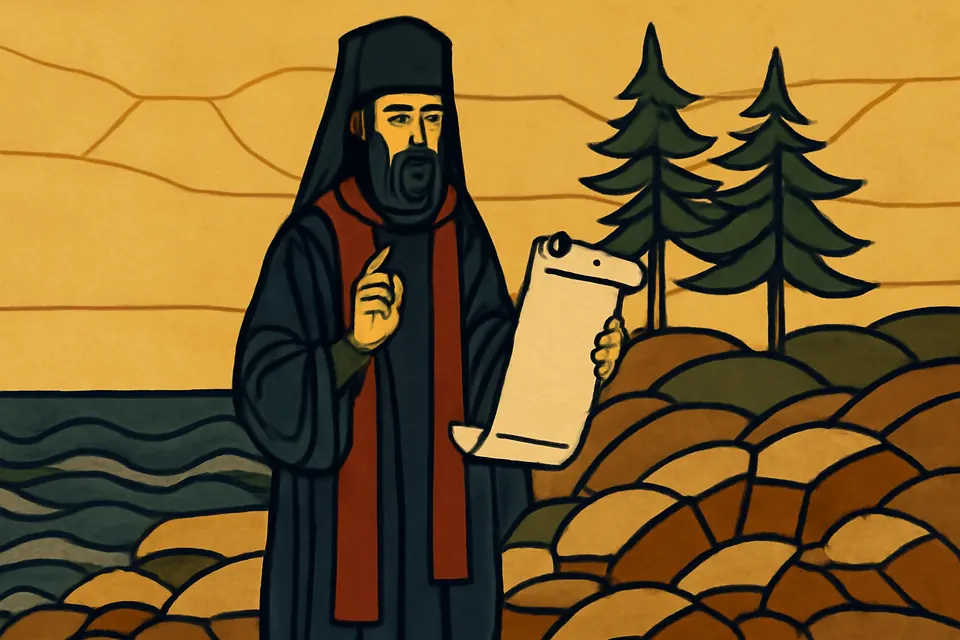
There is no medieval tradition of images of Vincent, so his portraits are mostly modern icons. They show him as an elderly monk with a long beard, in a dark habit and cowl, sometimes with a red mantle. His sign is a scroll unrolled in his hand, bearing the words of his rule, "everywhere, always, by all." Western images may give him a book and pen as a writer and Father of the Church. If you see a monk with a scroll quoting that rule, it is Vincent.
Feast day and legacy
We keep his feast on May 24, the day the Roman Martyrology gives, and the Orthodox Church honors him on the same date. The OCA says his relics are kept at Lérins, where he lived and died. The OCA also remembers that in the Commonitorium he defended the title Theotokos, Mother of God, against Nestorius. St. John Henry Newman wrestled with the Vincentian canon in his work on the development of doctrine and thought it better at showing what is not Catholic doctrine than at defining what is, a judgment the Catholic Encyclopedia records.
Prayer to St. Vincent of Lérins
No traditional prayer to St. Vincent is found in the standard prayer books. We honor him best by asking, with him, for fidelity to the faith handed down to us.
St. Vincent of Lérins, lover of the faith of the Fathers, pray for the Church, that she may keep whole the faith she has received and grow in understanding it, in the same sense and the same meaning.
Frequently asked questions
What is the Vincentian canon?
Vincent's rule of faith: "in the Catholic Church itself, all possible care must be taken, that we hold that faith which has been believed everywhere, always, by all" (Commonitorium, chapter 2). He sums it up as universality, antiquity and consent.
Did St. Vincent of Lérins believe doctrine can develop?
Yes, but only as a living body grows: "in the same doctrine, in the same sense, and in the same meaning." The First Vatican Council quoted his words in Dei Filius (1870), and Pope Francis cited his law of progress in 2017.
When is the feast of St. Vincent of Lérins?
May 24, in the Roman Martyrology. The Orthodox Church keeps the same day.
Why did Vincent of Lérins write as "Peregrinus"?
Peregrinus means "pilgrim" or "stranger." Vincent hid his name out of humility, calling himself "the least of all the servants of God," and Gennadius of Marseille, writing a generation later, tells us who the author was.
Keep exploring
Sources
- Vincent of Lérins, The Commonitory (Nicene and Post-Nicene Fathers, Second Series, vol. 11; New Advent)
- Gennadius of Marseille, Lives of Illustrious Men, chapter 65 (New Advent)
- Orthodox Church in America: Saint Vincent of Lerins
- Catholic Encyclopedia (1912): St. Vincent of Lérins
- First Vatican Council, Dogmatic Constitution Dei Filius (1870), chapter 4 (Papal Encyclicals Online)
- Pope Francis, Address to the Pontifical Council for Promoting the New Evangelization, October 11, 2017