Blessed Dominic Collins, Soldier, Jesuit Brother and Irish Martyr
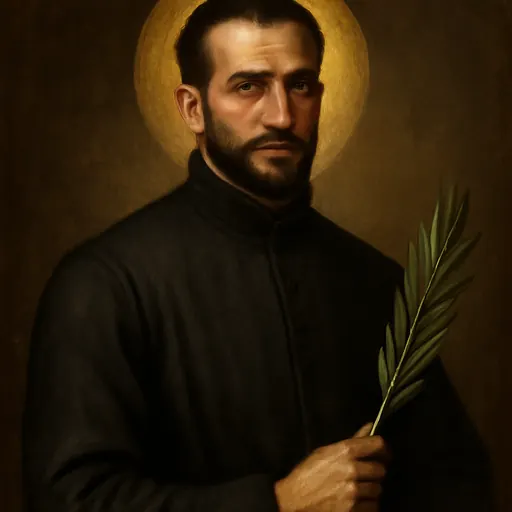
Blessed Dominic Collins (1566–1602) was an Irishman from Youghal who became a cavalry captain in France, then a Jesuit brother in Spain. Captured at the siege of Dunboy, he refused to give up his faith and was hanged in Youghal on October 31, 1602. Pope John Paul II beatified him in 1992. His feast is June 20.
Who was Blessed Dominic Collins?
Blessed Dominic Collins was a soldier from Youghal, County Cork, who laid down his sword to become a Jesuit brother and gave his life for the Catholic faith in his own home town. He was born in 1566, served nine years as a cavalry officer in France, entered the Society of Jesus in Spain in 1598, and was hanged in Youghal on October 31, 1602. Pope John Paul II beatified him in 1992 with sixteen other Irish martyrs.
The life of Blessed Dominic Collins
Youghal and the wars in Brittany
Dominic was born into a leading merchant family of Youghal; his father and one of his brothers served as mayor. When he was about twelve, two Irish Jesuits ran a school in the town for a couple of years, and he may well have been a pupil. The Desmond rebellion of 1579 to 1583 closed the school and left the town damaged and poor, and a young man of ambition had few prospects at home.
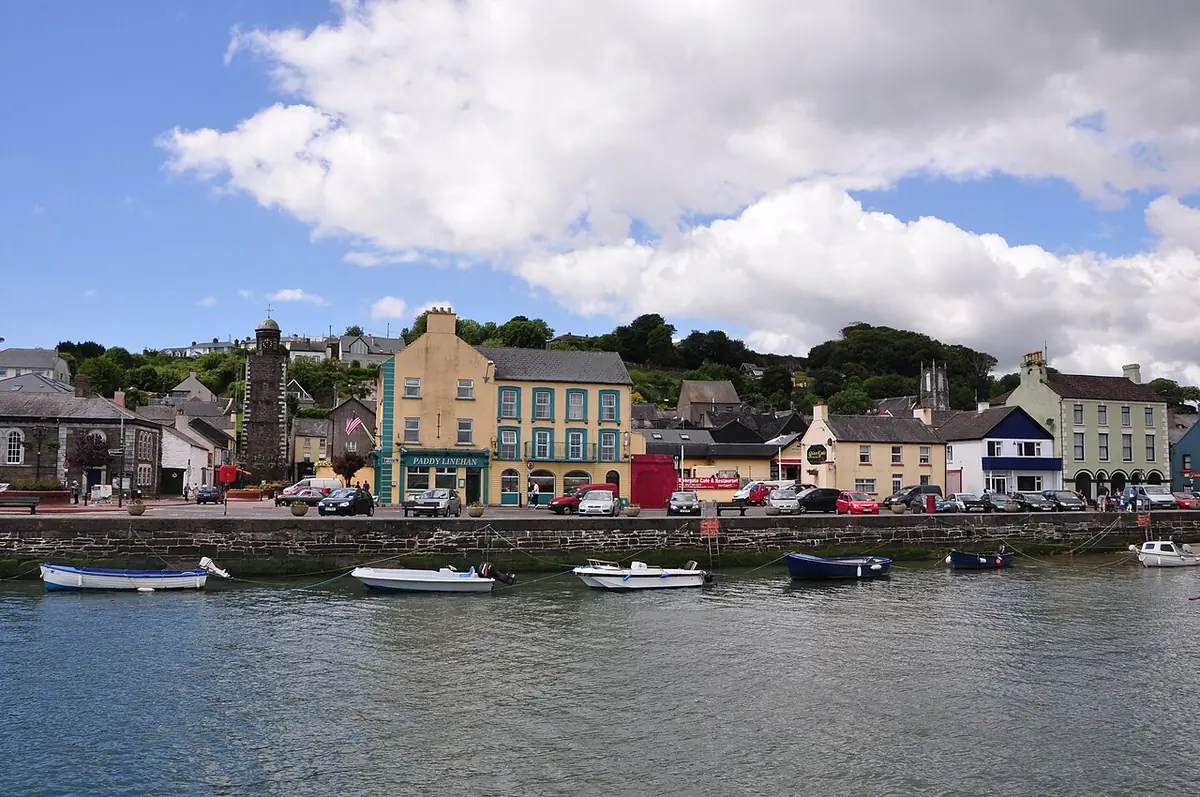
At about twenty he sailed for France. He worked for some three years as a servant in an inn to earn the price of a horse, then joined the cavalry of the Duke of Mercoeur, who led the Catholic League in Brittany. He rose to captain, the French called him Capitaine de la Branche, and he was made governor of a district he had taken from the Huguenots. When the League's cause collapsed he went to Spain, where King Philip II granted him a pension, and he was posted to the naval base at La Coruña.
A Jesuit brother
In Lent of 1598 an Irish Jesuit, Fr. Thomas White of Clonmel, came to La Coruña to hear the confessions of the Irish soldiers there. Dominic told him he wanted to become a Jesuit. Fr. White doubted that a man with so little schooling could study for the priesthood. Dominic said he was content to be a brother. The provincial was slow to accept a battle-hardened captain, but Dominic kept writing until he was told to come to the Jesuit college at Santiago de Compostela.
There his vocation was tested at once. Plague struck the college, and Dominic nursed the sick, bringing some back to health and staying with the others as they died. A report sent to Rome from that time described him as sound in judgment, very strong, mature, prudent and sociable, though inclined to be hot-tempered and obstinate.

Dunboy
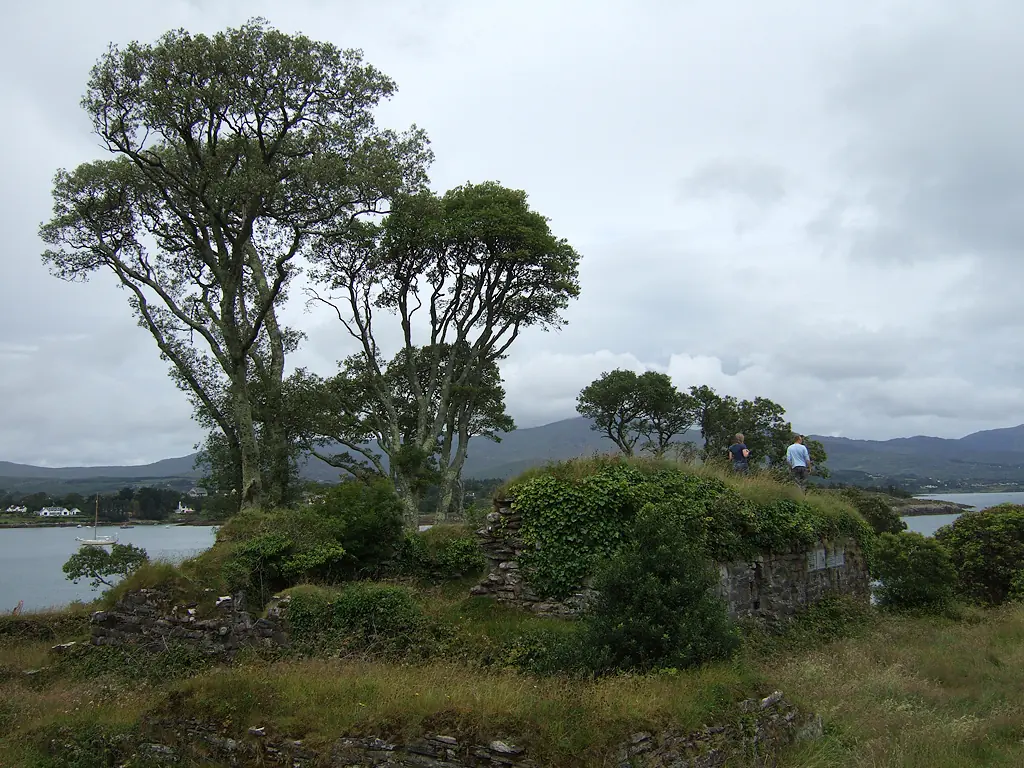
In 1601 Philip III sent an army to Ireland to support O'Neill and O'Donnell. The Irish Jesuit Fr. James Archer asked that Dominic, who knew soldiers' needs, come with him. After the defeat at Kinsale, Fr. Archer went back to Spain, and Dominic went with O'Sullivan Beare's men to the Beara peninsula. He was among the 143 men under Richard MacGeoghegan who held Dunboy Castle against the army of Sir George Carew, President of Munster.
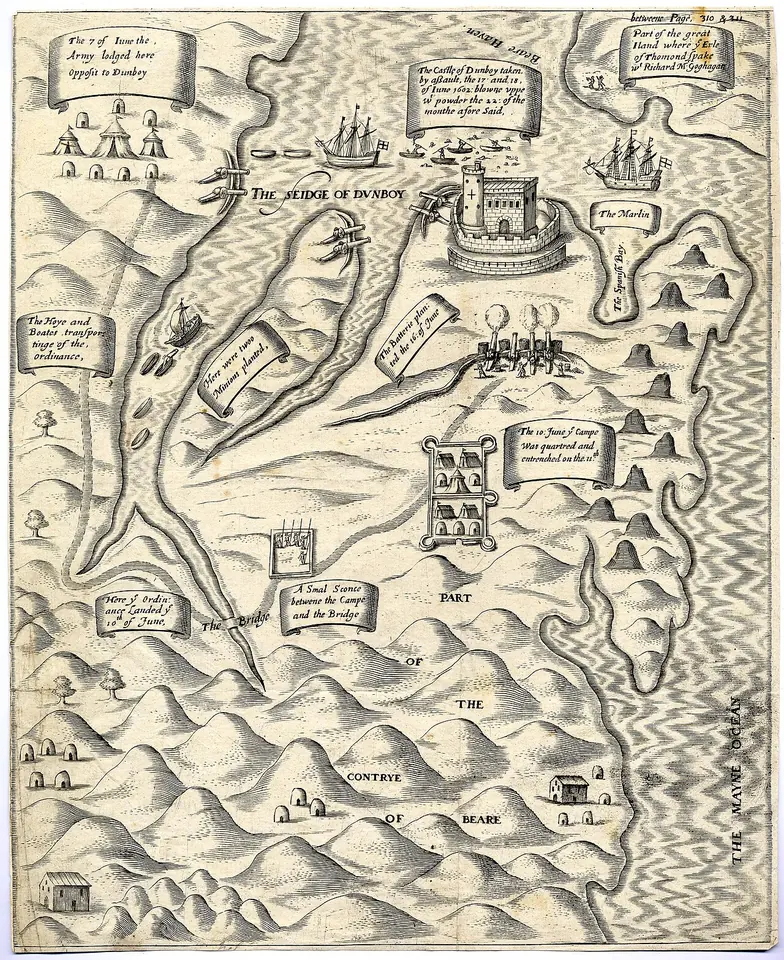
As a religious he did not fight. He tended the wounded and the dying, and he went out to Carew in the hope of arranging terms. Carew refused, and the castle fell in June 1602. Most of the survivors were hanged; Dominic and two others were kept alive.
Cork and Youghal
In Cork, Carew tried to win him over, hoping that a Jesuit who conformed would be a propaganda prize. He was threatened and tortured, and he was offered high positions in the Protestant church. Members of his own family begged him to pretend a conversion and take it back later. He refused.
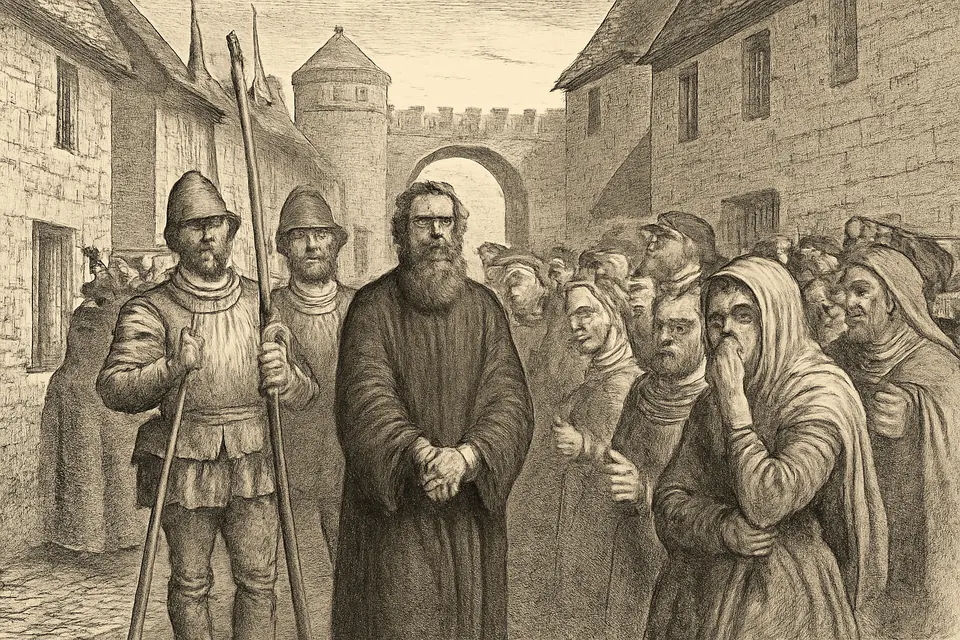
On October 31, 1602, he was marched through the streets of Youghal to the gallows in his black Jesuit gown, the first time he had seen his town in fifteen years. He spoke cheerfully to the crowd in Spanish, Irish and English, saying that he had come to Ireland to defend the faith of the holy Roman Church. The crowd was so moved that the hangman ran away, and soldiers forced a passing fisherman to do the work. That night local Catholics took his body down and buried it in a secret place, which has never been found.
A martyr remembered
From the day he died, Youghal honored him as a martyr, and his name spread to the Irish colleges abroad. According to Catholicireland.net, his portrait hung in the Irish colleges at Douai and Salamanca, and favors and cures were credited to his prayers; these are reported graces, never formally examined. As a martyr he needed no approved miracle for beatification. Pope John Paul II beatified him in St. Peter's Square on September 27, 1992, together with Archbishop Dermot O'Hurley, Margaret Ball, Francis Taylor and thirteen others. In his homily the pope noted that the seventeen included bishops, priests, six lay people and one religious brother: Dominic.
Symbols of Blessed Dominic Collins in art
He has no old iconography, since no portrait from the Irish colleges is known to survive. Modern images usually show:
- The black Jesuit gown: the habit he insisted on wearing to his death.
- The martyr's palm: the sign of his martyrdom.
- A rope or gallows: for the manner of his death.
- A sword laid aside: for the cavalry captain who became a brother.
Feast day and prayer
We keep his feast on June 20 with the other Irish martyrs of 1992. See more saints of June on our feast days page and the other saints of his country on our Irish saints page.
We know of no traditional prayer written for Blessed Dominic alone, so we do not print one. Let us ask him to pray for soldiers and veterans, for Jesuit brothers and all religious brothers, for late vocations, and for the people of Youghal and of Ireland.
Frequently asked questions
Who was Blessed Dominic Collins?
A merchant's son from Youghal, County Cork, who fought as a cavalry officer for the Catholic League in Brittany, joined the Jesuits as a lay brother in 1598, and was hanged in his home town in 1602 after refusing to renounce his faith.
When is the feast of Blessed Dominic Collins?
June 20, the shared feast of the Irish martyrs beatified in 1992. He died on October 31, 1602.
Was Dominic Collins a priest?
No. He was a Jesuit lay brother. He was the only religious brother among the seventeen Irish martyrs beatified together in 1992.
Where was Dominic Collins captured?
At Dunboy Castle on the Beara peninsula, held by O'Sullivan Beare's men and besieged by Sir George Carew's army in June 1602.
Keep exploring
Sources
- Patrick Duffy, Blessed Dominic Collins (1566–1602), Irish martyr, Jesuit brother, Catholicireland.net. The plague at Santiago, the siege of Dunboy, his interrogation in Cork, his last words in three languages, the fleeing hangman and his secret burial
- Senan Timoney, S.J., Bl Dominic Collins: A man of decisions, Catholicireland.net. The Jesuit school in Youghal, his years at the inn, his captaincy and pension, and his meeting with Fr. Thomas White at La Coruña in Lent 1598
- Pope John Paul II, Homily for the beatification of twenty-one Servants of God, September 27, 1992 (vatican.va). The beatification of Dermot O'Hurley, Margaret Ball, Francis Taylor and fourteen companions, including one religious brother