St. Nicholas Cabasilas
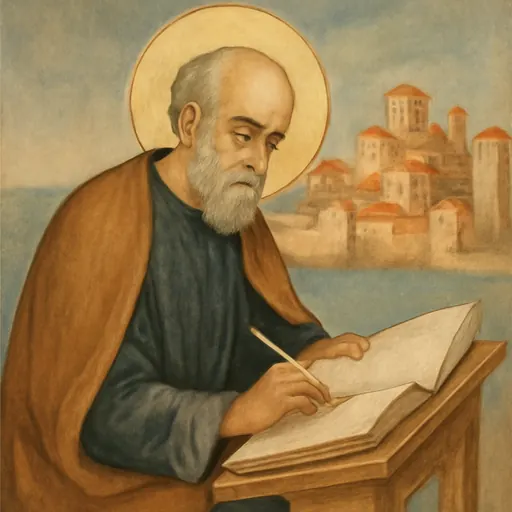
St. Nicholas Cabasilas (about 1322–1391) was a Byzantine theologian from Thessaloniki, adviser to Emperor John VI Kantakouzenos, who wrote two classics of Christian spirituality, The Life in Christ and the Commentary on the Divine Liturgy. The Orthodox Church glorified him in 1983 and keeps his feast on June 20.
Who was St. Nicholas Cabasilas?
St. Nicholas Cabasilas was a fourteenth-century Byzantine theologian from Thessaloniki whose books on the sacraments and the Divine Liturgy are still read by Orthodox and Catholic Christians alike. He was a man of the court and the city, an adviser to an emperor in a time of civil war, and yet he wrote about union with Christ in a way that monks and parish priests have treasured for six hundred years.
The Orthodox Church glorified him as a saint in 1983 and keeps his feast on June 20. His troparion calls him "a divine teacher, a wise interpreter of the dogmas of faith, and of the divine virtues."
The life of St. Nicholas Cabasilas
A scholar of Thessaloniki
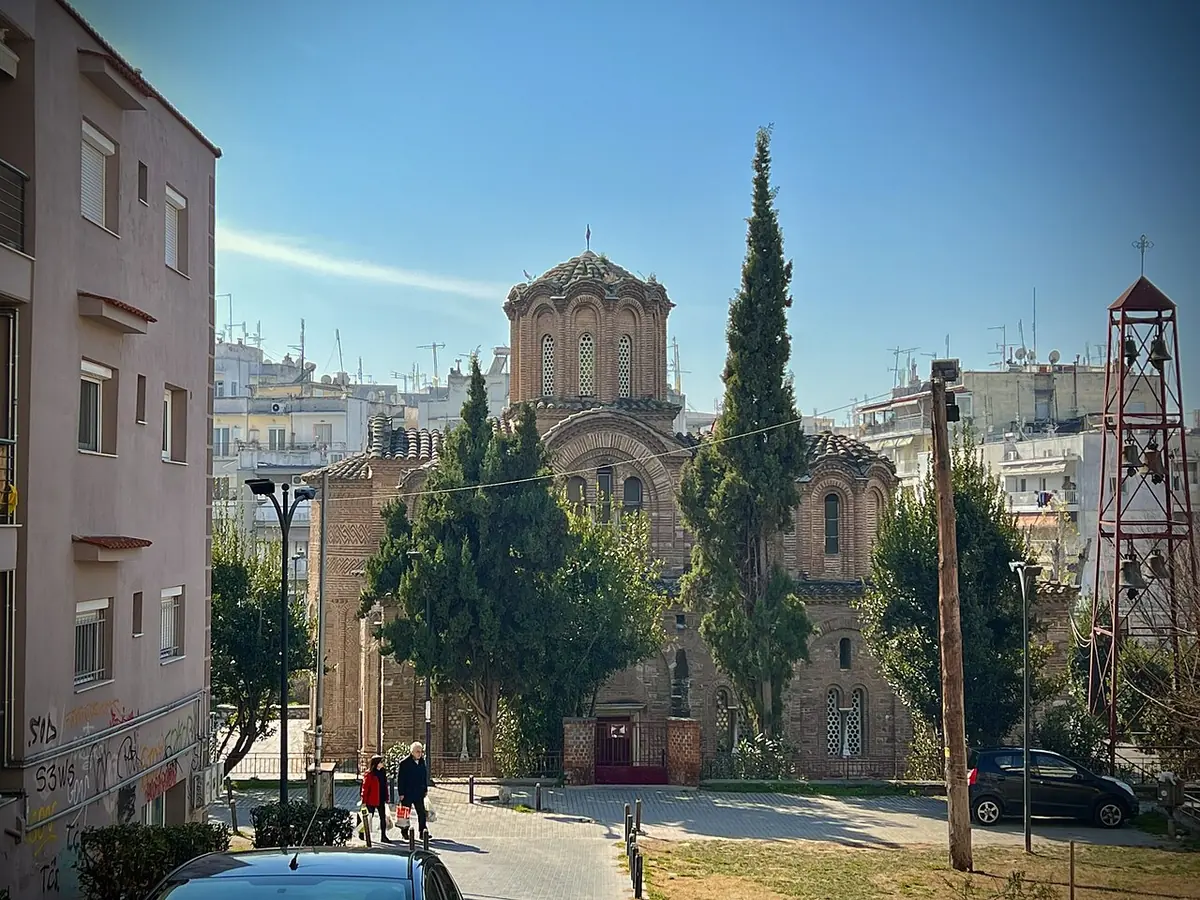
Nicholas was born in Thessaloniki around 1322. His father's family name was Chamaetos, but Nicholas preferred the name of his uncle, Neilos Cabasilas, who later became Archbishop of Thessaloniki. He studied rhetoric, philosophy and theology in Thessaloniki and in Constantinople.
Some older reference books, among them the 1911 Encyclopaedia Britannica, say he succeeded his uncle as archbishop. The records of that see do not list him, and it is no longer accepted.
Adviser to an emperor
The Byzantine Empire tore itself apart in a civil war from 1341 to 1347, a time of religious strife as well. Nicholas stood with John VI Kantakouzenos, who reigned as emperor from 1347 to 1354 and trusted him with several important missions.
He also stood with the monks of Mount Athos in the great debate over hesychasm, the way of inner stillness and unceasing prayer of the heart. The Orthodox life calls him a disciple of St. Gregory of Sinai and a supporter of St. Gregory Palamas, whose teaching a council in Constantinople upheld in 1351.
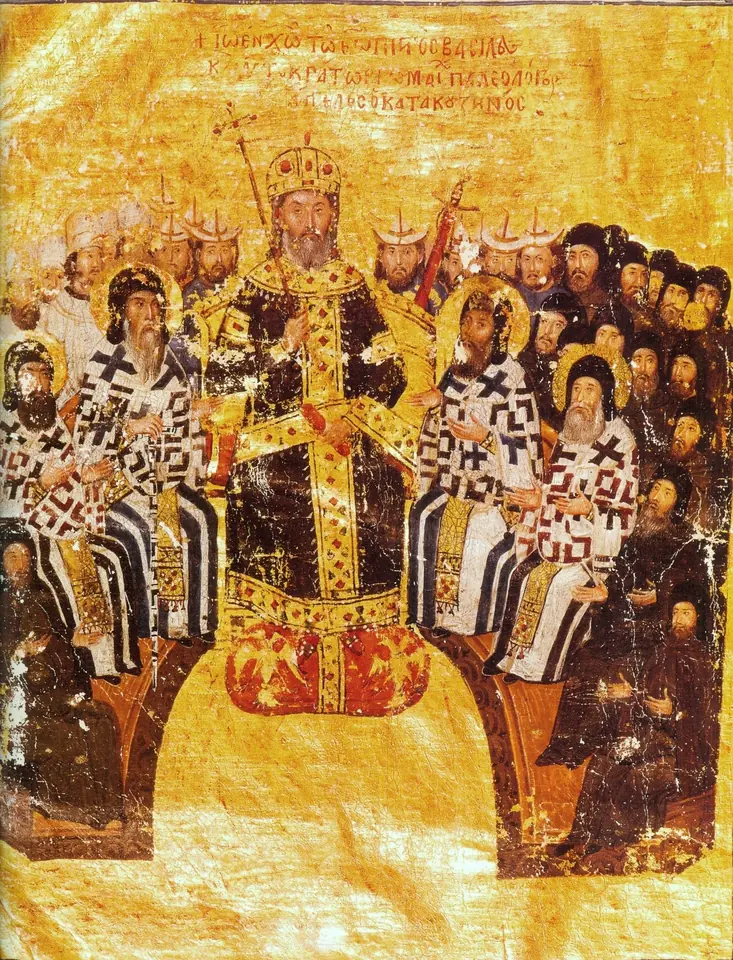
When John VI gave up the throne in 1354, he became a monk under the name Joasaph at the Manganon monastery in Constantinople. The Orthodox life says Nicholas seems to have entered the monastery at the same time and may have been ordained a priest-monk. Much of his later life is unknown. He probably died before 1391.
The writings of St. Nicholas Cabasilas
The Life in Christ
His great book, The Life in Christ, is about what the sacraments do. Christ unites us to himself, Cabasilas teaches, through three mysteries: baptism, chrismation (confirmation) and the Holy Eucharist. The life in Christ begins in this world and is perfected in the Kingdom. Holiness comes only from Christ, yet it grows as our will comes into harmony with his. In the sixth book he turns to the Beatitudes and calls them, as the Orthodox Church in America's life quotes him, "a ladder by which we may ascend" to the life of blessedness.
The Catholic Church also prays with him. Passages from The Life in Christ appear as readings in the two-year cycle of the Office of Readings in the Easter season, on Christ who is "at once priest and altar," on dwelling in Christ and on the anointing of the Holy Spirit.
The Commentary on the Divine Liturgy
His other classic walks through the Byzantine Divine Liturgy, the Eucharistic service of St. John Chrysostom and St. Basil, from the preparation of the gifts to the dismissal, and explains what each prayer and action means.
Sermons and praises of the saints
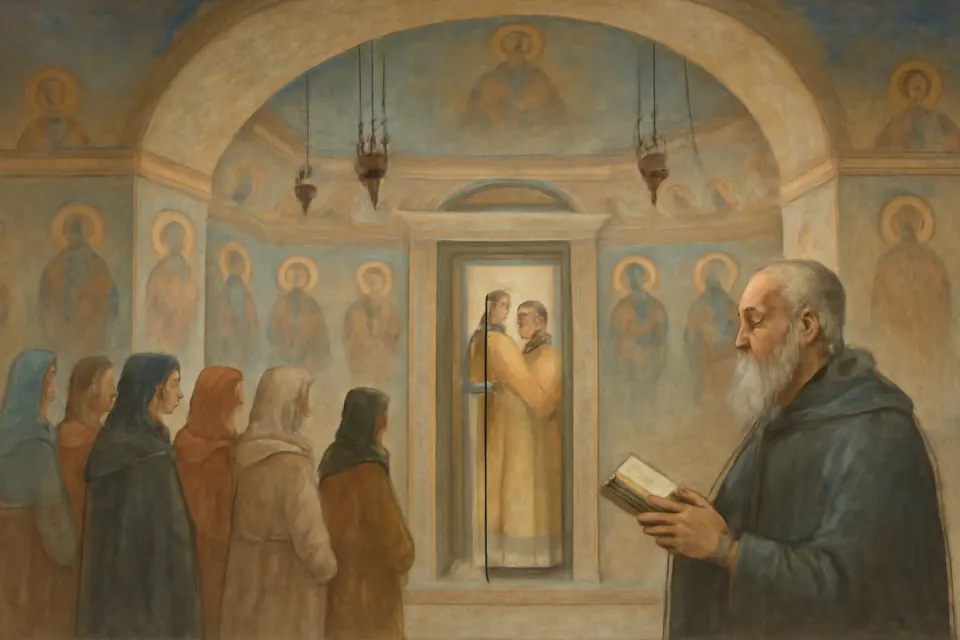
Some of his sermons survive, among them homilies on the Annunciation and the Ascension, along with encomia in honor of St. Demetrius, the patron of Thessaloniki, St. Theodora of Thessaloniki, St. Nicholas and the Three Hierarchs. He also wrote against usurers who preyed on the poor.
Miracles
We know of no miracles told of St. Nicholas Cabasilas, whether approved, reported or traditional. The Church honors him for the holiness of his life and the truth of his teaching. His books are his legacy.
Symbols of St. Nicholas Cabasilas in art
Because he was glorified only in 1983, his icons are modern. They show him as:
- A gray-bearded man in long lay robes, not in a bishop's vestments, since he was never a bishop.
- Writing in an open book or holding a scroll, as a teacher of the Church.
- Before the walls and churches of Thessaloniki, his native city, sometimes with ships in its harbor, as in the icon at the top of this page.
Feast day
The Orthodox Church keeps his feast on June 20. He was glorified by the Ecumenical Patriarchate on July 19, 1983. You can find other saints of the season on our feast days page. His burial place is not known, and we know of no relics.
Prayer to St. Nicholas Cabasilas
The Orthodox Church sings a troparion in his honor on his feast. We have not found a full English text we can cite, so we quote only the line given above, which calls him "a divine teacher, a wise interpreter of the dogmas of faith, and of the divine virtues."
Let us ask St. Nicholas Cabasilas to pray for all who are preparing for baptism, confirmation or First Communion, for the faithful who want to understand the Liturgy they pray, for Christians who serve in public life, and for the unity of East and West. Holy Nicholas, pray to God for us.
Frequently asked questions
When is the feast day of St. Nicholas Cabasilas?
June 20 in the Orthodox Church. He was glorified as a saint by the Ecumenical Patriarchate on July 19, 1983.
What did St. Nicholas Cabasilas write?
His two best-known books are The Life in Christ, on how baptism, chrismation and the Eucharist unite the Christian to Christ, and the Commentary on the Divine Liturgy, which explains the Byzantine Eucharistic service step by step. He also wrote sermons, praises of saints and a discourse against usury.
Was Nicholas Cabasilas a priest or a monk?
We don't know for certain. The Orthodox Church in America's life says he seems to have become a monk at the Manganon monastery in Constantinople and may have been ordained, but much of his life is undocumented, and he is often described as a layman.
Keep exploring
Sources
- Orthodox Church in America: Venerable Nicholas Cabasilas. His family name, his ties to John VI, the Manganon monastery, his teachers, his date of glorification and the words of his troparion
- Liturgia de las Horas, two-year cycle of the Office of Readings, Fifth Week of Easter (Spanish), with readings from The Life in Christ
- Encyclopaedia Britannica (1911): Cabasilas, Nicolaus. The older claim that he became Archbishop of Thessalonica