St. Sampson the Hospitable
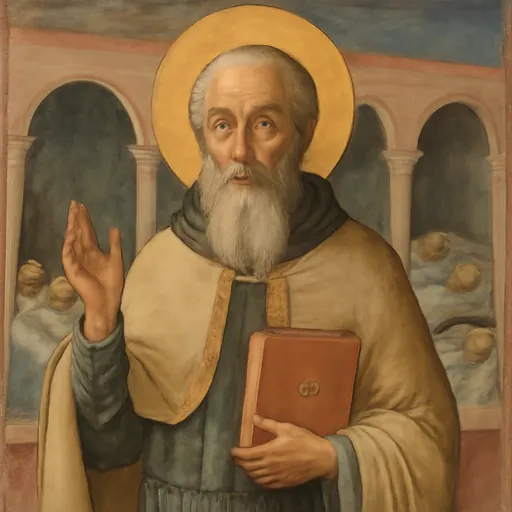
St. Sampson the Hospitable was a wealthy Roman who studied medicine, turned his family home into a clinic and went to Constantinople, where Patriarch Menas ordained him a priest. After he healed Emperor Justinian, he asked only for a hospice for travelers and the poor. He died about 530, and the Orthodox Church keeps his feast on June 27.
Who was St. Sampson the Hospitable?
St. Sampson the Hospitable was a physician and priest of Constantinople, honored in the Eastern Church as a healer and as the founder of the hospice for the poor that bore his name. He was born in Rome to wealthy and devout parents, studied medicine, and gave everything he owned to care for the sick. In the imperial capital he became a priest, and after he healed the emperor Justinian he asked for nothing for himself, only a house where strangers, the destitute and the gravely ill could be cared for.
The Orthodox Church keeps his feast on June 27. His life was written down by St. Symeon Metaphrastes, the tenth-century compiler of saints' lives, so we know him through a pious account written centuries later. The heart of it, a doctor who served the poor and a famous hospice in Constantinople, is firm.
The life of St. Sampson the Hospitable
A Roman physician
According to his Life, Sampson received an excellent education in Rome, studying philosophy and medicine among other subjects, and lived a Christian life from childhood. When his parents died he turned the family estate into a clinic for the sick. So many came that he had to hire helpers. Once he had enough staff, he gave all his wealth to the clinic and lived content in poverty, taking to heart the Lord's words: "Sell that ye have, and give alms" (Luke 12:33, KJV).

Priest of Constantinople
He went to Constantinople hoping to spend the rest of his life in prayer and penance, but found as much need there as in Rome. He bought a modest house and began again to treat the sick. His Life says God gave him the grace of working miracles, so that he healed not only by his skill but by prayer.
Word of him reached Patriarch Menas of Constantinople, who ordained him a priest. When the emperor Justinian fell ill and his own physicians could do nothing, the patriarch suggested sending for Sampson, and Sampson healed him. Justinian offered gold and silver. Sampson refused, saying he had already given away all his wealth, and asked instead that the emperor build a hospice for travelers.

The Hospice of Sampson
The hospice, or xenon, was meant for the destitute, the gravely ill, and those who had lost their property or their health. When it burned in 532, the year of the great riots in Constantinople, Justinian rebuilt it and gave it a generous yearly income.
Here history and the Life do not quite agree. The OCA notes that the historian Procopius, writing in Justinian's own time, implies that Sampson lived before the sixth century and that the hospice already existed before Procopius's day (Buildings I.2.14). The traditional account places Sampson's death about 530, quietly, after a short illness, at a great age. Either way, the Hospice of Sampson was one of the best-known charitable houses of the Byzantine capital.
He was buried in the church of St. Mokios, which tradition says Constantine the Great had built.
The miracles of St. Sampson the Hospitable
All the wonders told of him come from his Life and are traditional:
- Healings during his life, by prayer as well as medicine, above all the healing of Justinian.
- Many healings at his tomb in the church of St. Mokios.
- Twice he appeared after his death to a lazy worker at the hospice and rebuked him for neglecting the sick.
- When a great fire swept Constantinople, his prayers brought a heavy rain that put out the flames before they reached the hospice, which by then had become a church with a new house for the homeless beside it.
Symbols of St. Sampson the Hospitable in art
In Byzantine and Russian icons he is shown as:
- An elderly priest with a long gray beard, in priestly vestments (the phelonion and stole).
- Holding a Gospel book, or blessing with his right hand.
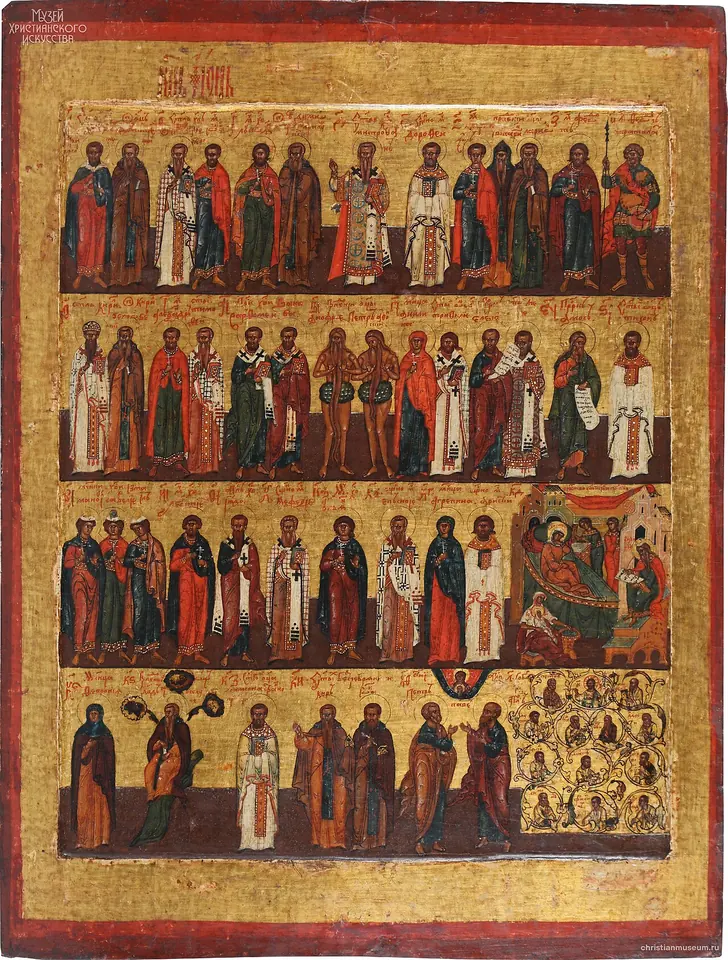
Russian calendar icons called Menaion icons gather all the saints of a month in rows on a gold ground; he belongs among the saints of June, like those in the seventeenth-century panel below. His kontakion calls him "an excellent physician," and the Church honors him above all as a healer.
Feast day and churches
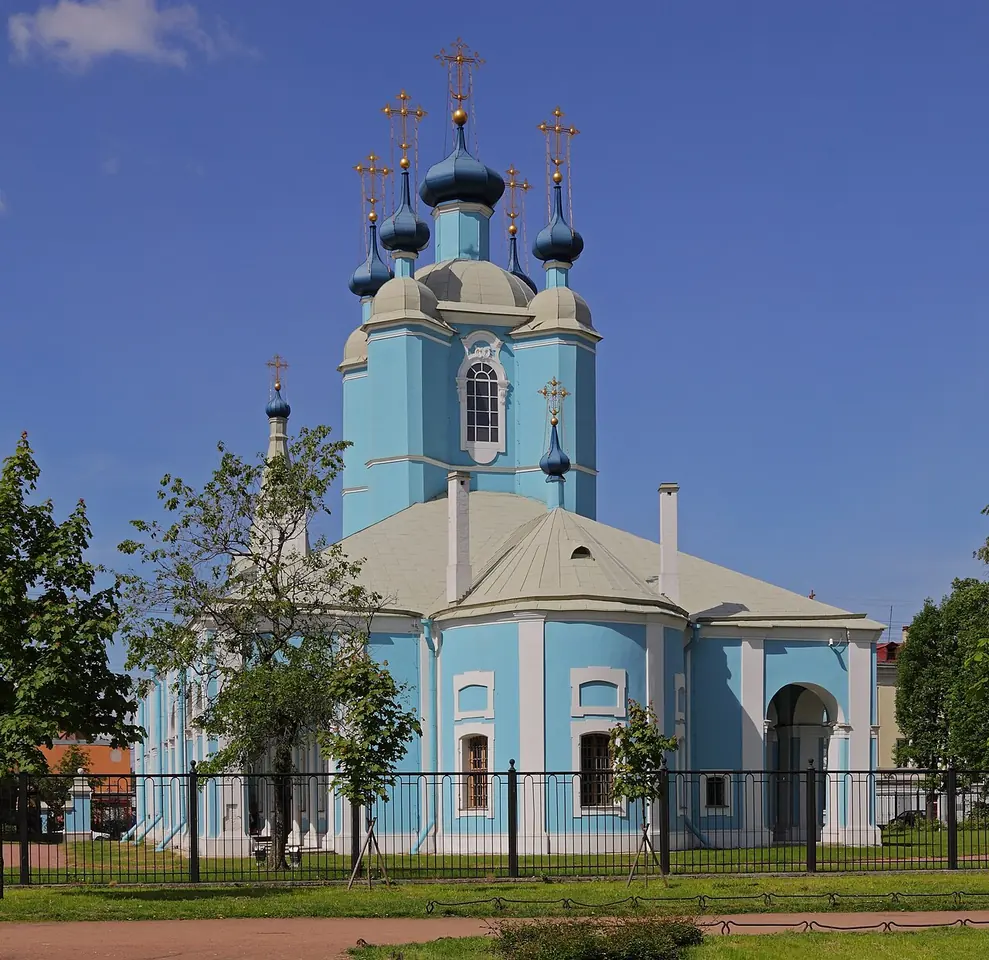
The Orthodox Church keeps his feast on June 27 (July 10 on the civil calendar for churches that follow the Julian calendar). The appointed readings are Galatians 5:23–6:2 and Luke 12:32–40. Churches dedicated to him stand in Russia and Ukraine, among them the Cathedral of St. Sampson in St. Petersburg. See our feast days page for other saints of June.
Prayer to St. Sampson the Hospitable
On his feast the Orthodox Church sings a troparion that praises his patience, prayer and love for the poor, and a kontakion that honors his relics and his power to heal and intercede; the OCA prints both on its website.
Let us ask St. Sampson to pray for doctors and nurses, for those who run shelters and hospitals, and for every sick person who has no one to care for them.
Frequently asked questions
When is the feast day of St. Sampson the Hospitable?
June 27 in the Orthodox calendar, which falls on July 10 for churches that follow the Julian calendar.
Why is he called "the Hospitable"?
Because of the hospice (xenon) for travelers, the destitute and the seriously ill that bore his name in Constantinople. The Greek title Xenodochos means "one who receives strangers."
How did St. Sampson heal Emperor Justinian?
According to his Life, written by St. Symeon Metaphrastes, the patriarch sent Sampson to the emperor when the court physicians could not help him, and Sampson healed him. When Justinian offered gold and silver, Sampson refused it and asked him to build a hospice for travelers instead.
Where is St. Sampson buried?
In the church of St. Mokios in Constantinople, according to his Life. Many healings were reported at his tomb. The church no longer stands.
Keep exploring
Sources
- Orthodox Church in America: Saint Sampson the Hospitable of Constantinople. His life from Symeon Metaphrastes, the healing of Justinian, the fire of 532, burial at St. Mokios, the appearances to a lazy worker and the rain that saved the hospice; Procopius, Buildings I.2.14, on the hospice's age
- Orthodox Church in America: Saint Sampson the Hospitable, Troparion and Kontakion. The text of the troparion and kontakion