Blessed Yolanda of Poland (Jolenta), Duchess and Poor Clare
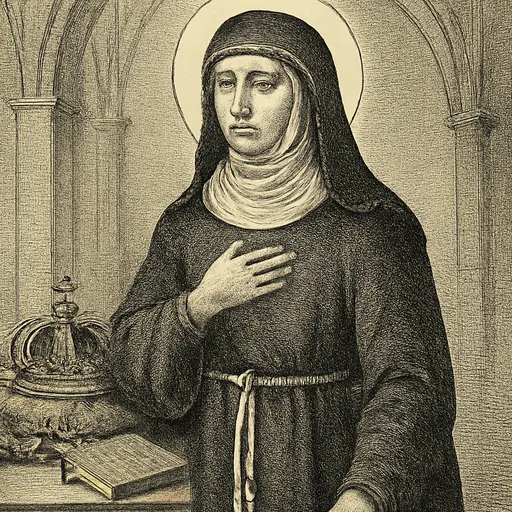
Blessed Yolanda of Poland (about 1244–1298 or 1304), called Jolenta or Helena in Poland, was a daughter of King Béla IV of Hungary and sister of St. Kinga and St. Margaret of Hungary. Widowed by Duke Bolesław the Pious in 1279, she became a Poor Clare and died at Gniezno, where her relics rest. Her feast is June 15.
Who was Blessed Yolanda of Poland?
Blessed Yolanda of Poland was a Hungarian princess who became a Polish duchess, a mother of three, a builder of friaries, and at the end of her life a Poor Clare nun at Gniezno. Poles know her as Blessed Jolenta, and in her own lifetime she was often called Helena. She came from one of the holiest families of medieval Europe: her sisters were St. Kinga and St. Margaret of Hungary, and her aunt was St. Elizabeth of Hungary.
The life of Blessed Yolanda
A Hungarian princess in Kraków
She was born about 1244, probably at Esztergom, the eighth child of King Béla IV of Hungary and Queen Maria Laskarina, of the Byzantine imperial family. Her name, Jolán, may have honored an aunt who was Queen of Aragon. The fifteenth-century chronicler Jan Długosz says the Poles gave her the name Helena and she gladly took it.
As a small girl she was sent to Kraków to be raised at the court of her sister Kinga, who had married Duke Bolesław the Chaste. There she grew up among Franciscan friars and Poor Clare sisters, and among family examples of holiness.
Duchess of Greater Poland
In 1256, at about twelve, she was betrothed to Bolesław, Duke of Kalisz, who was about thirty-five. The wedding took place two years later, with a papal dispensation, and Bishop Prandota of Kraków married them. They had three daughters: Elżbieta, Jadwiga and Anna. Jadwiga became Queen of Poland as the wife of Władysław the Elbow-high and was the mother of King Casimir the Great.

When his brother died in 1257, Bolesław inherited all of Greater Poland. Documents of the time call her "beloved consort, the lady Jolenta." The duke brought the Franciscans to Kalisz, Gniezno, Oborniki, Pyzdry and Śrem, and endowed the Poor Clares of Zawichost, then led by Blessed Salomea. The life on brewiarz.pl says he did none of this without his wife's part in it. She cared for the poor and the sick. Her husband came to be known as Bolesław the Pious, and Polish tradition credits her influence for the name.
Poor Clare
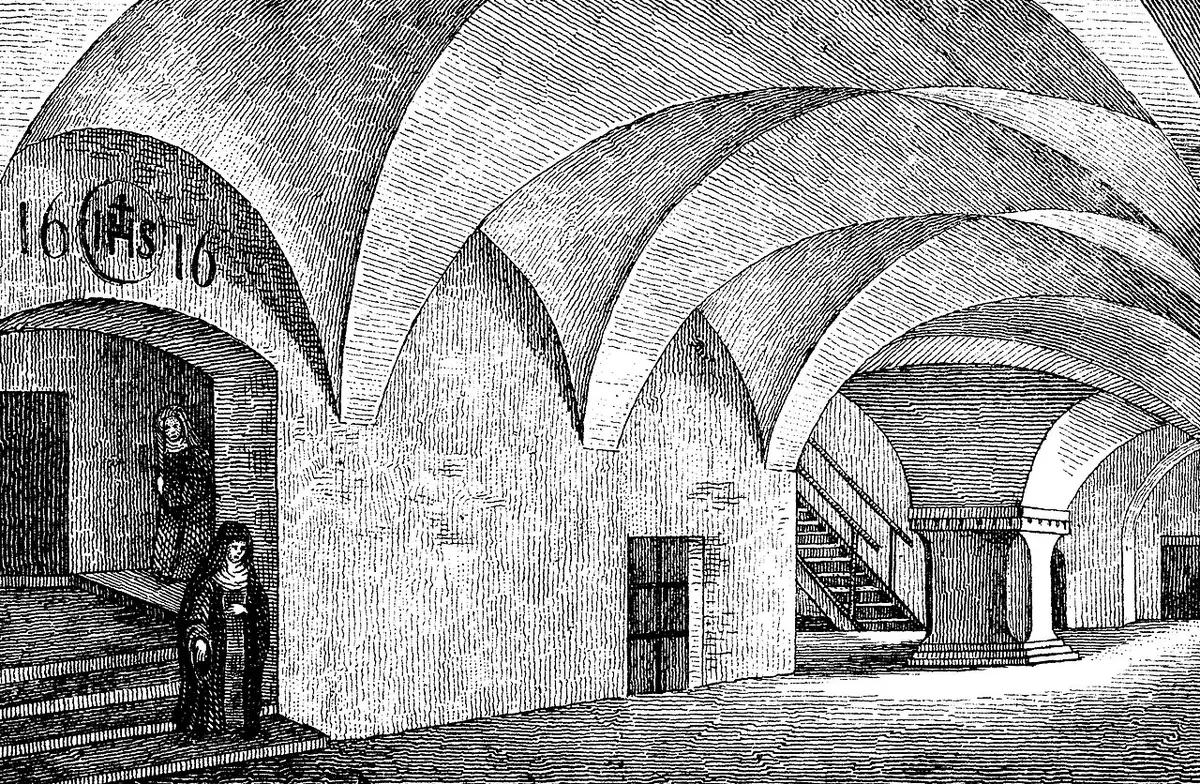
Bolesław died in April 1279. Freed from her duties as wife and duchess, Yolanda joined her widowed sister Kinga at the Poor Clare convent Kinga had founded at Stary Sącz. Later she moved to the Poor Clares of Gniezno. Whether she served as abbess there is not known for certain.
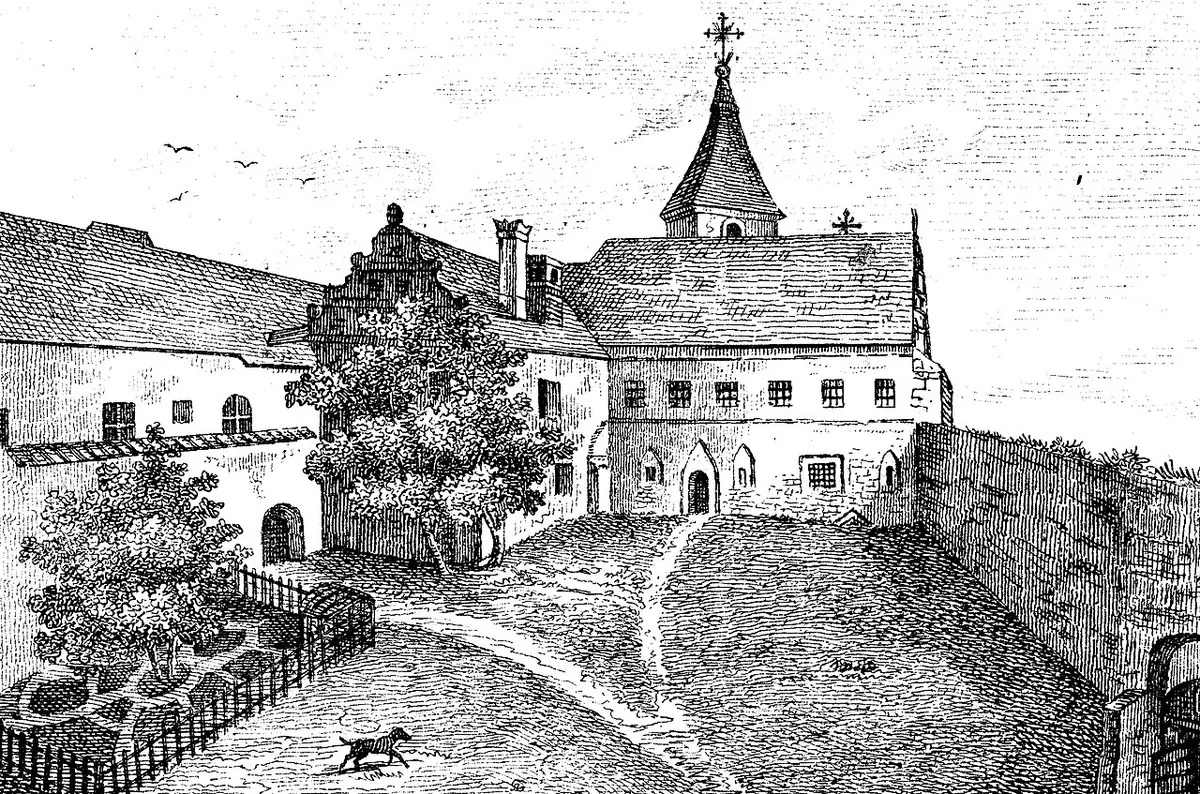
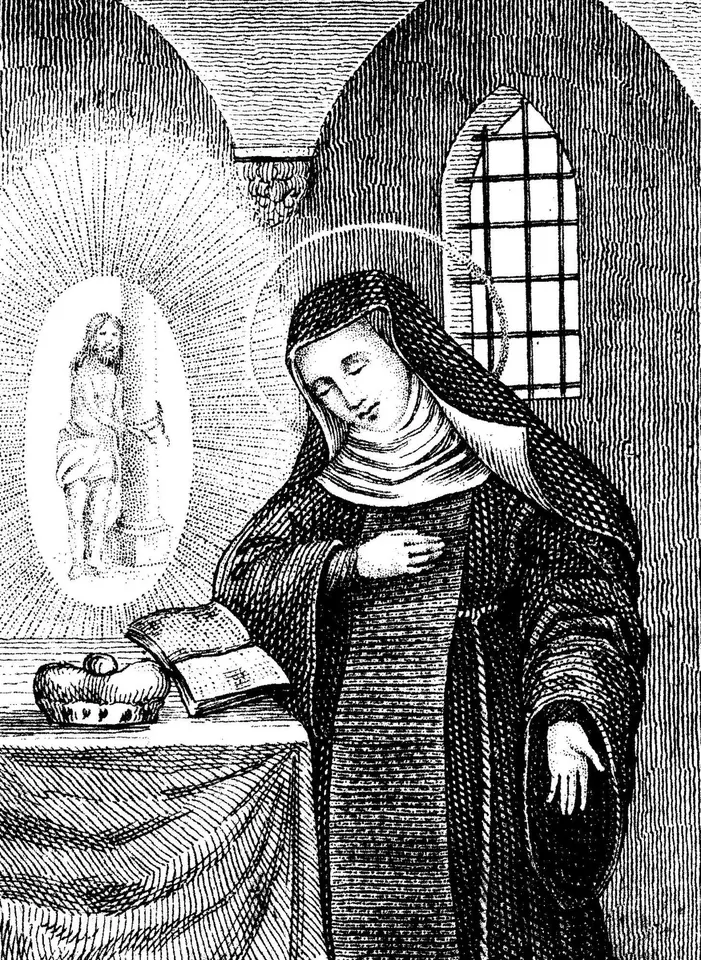
Shortly before her death, according to an old tradition, she was meditating on the Passion when she saw Christ, scourged and bound to the pillar, surrounded by light. The vision is painted and carved in her chapel in the Franciscan church at Gniezno.
The date of her death
She died at Gniezno on June 17, in the odor of sanctity. The necrology of the Cistercian abbey at Ląd gives the year as 1298, the date long accepted. But a charter from the archives in Poznań, dated December 26, 1303, carries her signature as "the lady duchess, widow of Duke Bolesław," so the Franciscans of Gniezno now date her death to 1304.
Her cult and beatification
Her grave quickly drew pilgrims who came to pray for graces. Among them were her granddaughter Elizabeth, Queen of Hungary, in 1372, King Sigismund the Old in 1512 and King Sigismund III in 1623. In 1631 Primate Jan Wężyk set up a church commission, had her tomb opened and her remains placed in a new coffin, and a book of graces was begun. A first life appeared in 1723. In 1775 the Franciscans named a postulator for her cause, and King Stanisław August Poniatowski asked Rome to beatify her.
Pope Leo XII confirmed her cult in 1827. Because of obstacles from the Prussian government, the celebrations in Greater Poland could not be held until 1834. She is patroness of the Archdiocese of Gniezno and of the city of Kalisz.
The graces recorded at her tomb are reported favors; no miracle was formally approved, since her beatification confirmed an ancient cult.
Symbols of Blessed Yolanda in art
She is shown in the habit of a Poor Clare, sometimes kneeling beside St. Kinga. Look for:
- A ducal crown laid aside, on a table or at her feet, for the rank she gave up.
- A skull and a crucifix, in some older paintings, for penance and meditation on death.
- The scourged Christ at the pillar, recalling her vision.
Relics, feast day and prayer
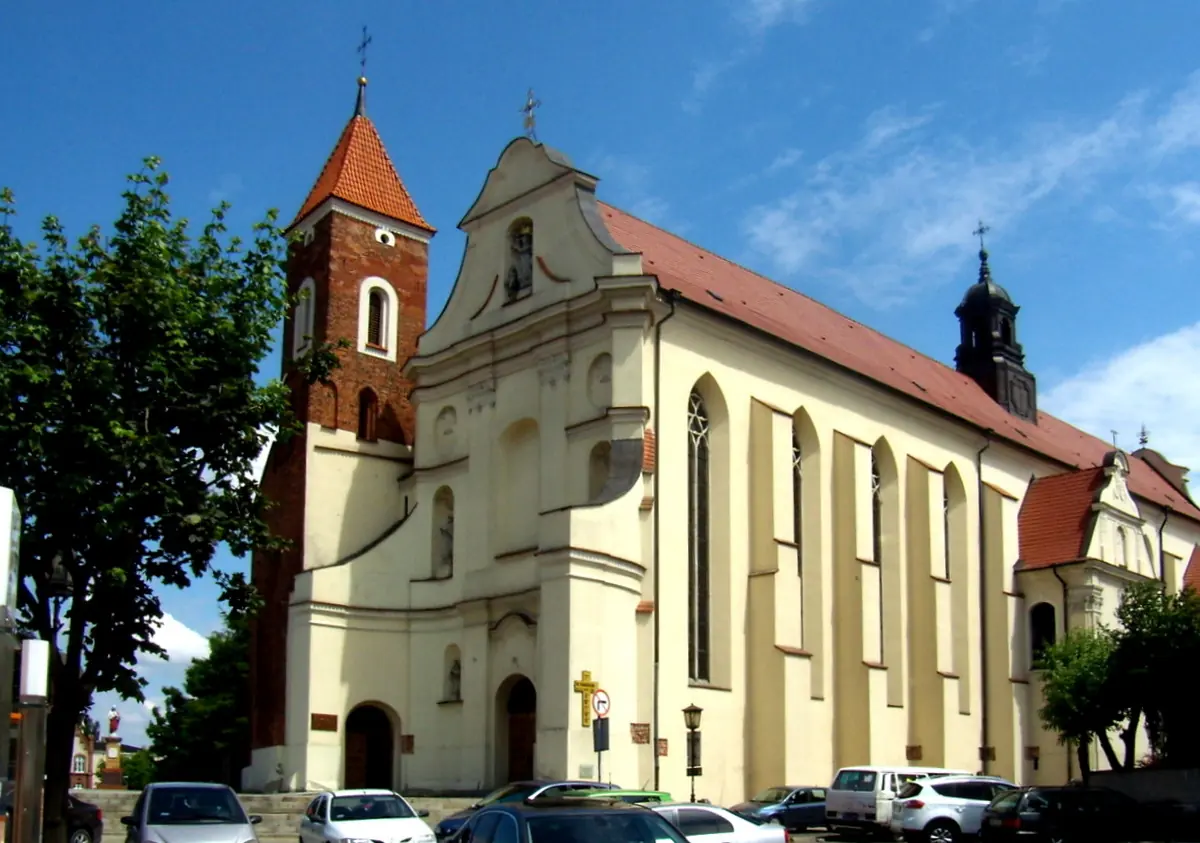
Her relics rest in the Franciscan church in Gniezno. On September 2, 2015, a commission named by the Primate of Poland opened the reliquary so that relics could be shared with parishes and religious communities.
We keep her feast on June 15. You can find other saints of mid-June on our feast days page.
We know of no traditional English prayer to her; we can simply say, "Blessed Yolanda, pray for us." Let us ask Blessed Yolanda to pray for wives and mothers, for widows, and for all who are learning in later life to give everything to God.
Where the relics of Blessed Yolanda of Poland are kept: see them on the relics map →
Frequently asked questions
Who was Blessed Yolanda of Poland?
A Hungarian princess of the Árpád dynasty, born about 1244, who married Duke Bolesław the Pious of Kalisz and Greater Poland, raised three daughters, helped found Franciscan houses, and after her husband's death became a Poor Clare. She died at the convent in Gniezno.
Are Yolanda, Jolenta and Helen the same person?
Yes. Her Hungarian name was Jolán (Yolanda, Jolenta). The chronicler Jan Długosz says the Poles gave her the name Helena, which she gladly accepted, and documents of her time use both names.
When is the feast of Blessed Yolanda of Poland?
June 15 in the Polish calendar. Leo XII originally set her feast on June 17, the day she died.
Where are the relics of Blessed Yolanda?
In the Franciscan church in Gniezno, Poland, in a reliquary that was opened in 2015 so that relics could be given to parishes and communities.
Keep exploring
Sources
- 15 czerwca: Błogosławiona Jolenta, księżna, zakonnica, Internetowa Liturgia Godzin (brewiarz.pl). Her birth in 1244, Długosz on the name Helena, the marriage and papal dispensation, the Franciscan foundations, Stary Sącz and Gniezno, the Ląd necrology, the 1631 commission, the beatification under Leo XII, the feast dates and her patronages
- Gniezno: Otwarcie Relikwiarza Bł. Jolenty, Conventual Franciscans of the Gdańsk province (franciszkanie.gdansk.pl). The 1303 document and the 1304 death date, the vision of the scourged Christ, the royal pilgrims, and the opening of the reliquary on September 2, 2015
- Karol F. Ney, Żywot bł. Jolanty i kronika klasztoru zakonnic ś. Klary w Gnieźnie (Gniezno, 1843), Wielkopolska Digital Library. The 1843 life of Blessed Jolenta whose engravings appear on this page