St. José María Robles Hurtado, Cristero Martyr

St. José María Robles Hurtado (1888–1927) was a Mexican priest so devoted to the Sacred Heart that people called him its "madman." During the Cristero persecution he was arrested while preparing to say Mass and hanged from an oak in the Sierra de Quila on June 26, 1927, after forgiving his executioners. Pope John Paul II canonized him in 2000.
Who was St. José María Robles Hurtado?
St. José María Robles Hurtado was a Mexican parish priest who loved the Sacred Heart of Jesus so ardently that his friends called him "the madman of the Sacred Heart." He was a poet, a writer of devotional booklets and the founder of a congregation of sisters. In the persecution of the Church that set off the Cristero War, he stayed with his people, and on June 26, 1927, soldiers hanged him from an oak tree in the mountains of Jalisco. He was thirty-nine. We keep his feast on that day.
He was born on May 3, 1888, in Mascota, a mountain town in western Jalisco. He studied at the seminary of Guadalajara and was ordained a priest in 1913, at twenty-five.

Founder and pastor
Two years after his ordination he was inspired to found a community of women consecrated to the Eucharistic Heart of Jesus. It was first called the Victims of the Eucharistic Heart of Jesus; the Vatican's biography names it the Congregation of the Sisters of the Heart of Jesus in the Blessed Sacrament. The Sisters still carry on his work in Mexico and beyond, including several communities in the United States.
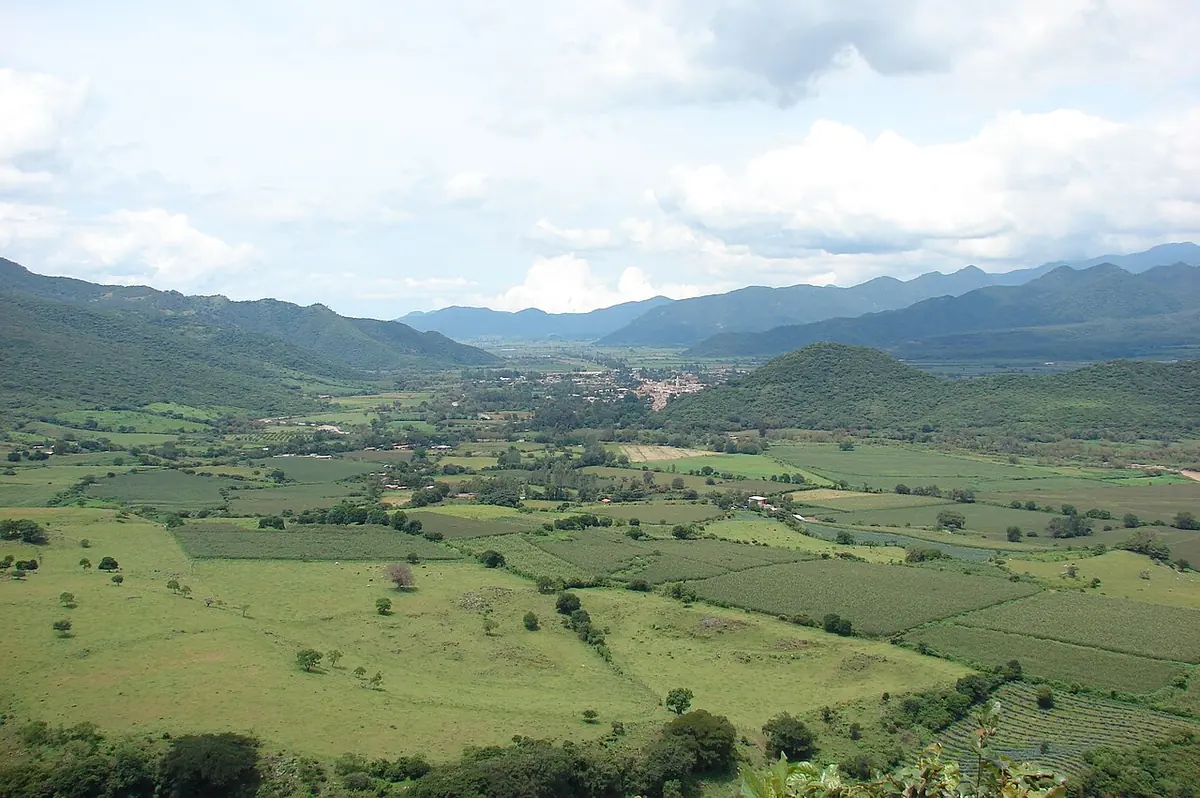
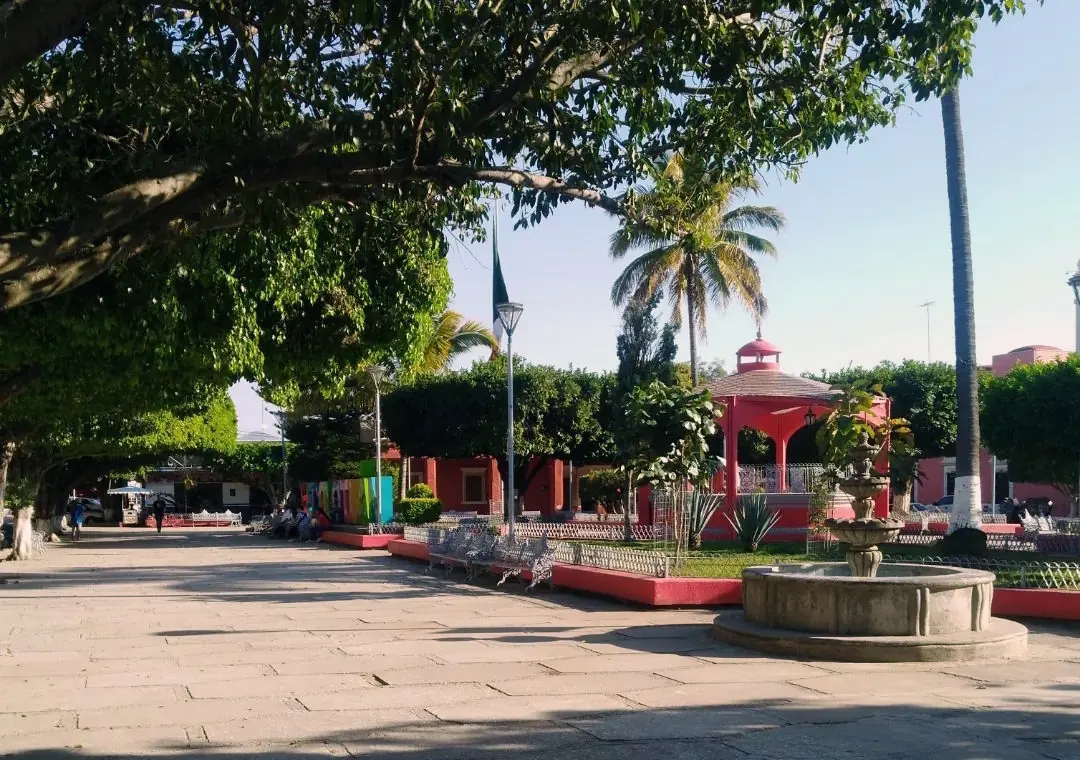
In 1920 he became parish priest of Tecolotlán, a farming town southwest of Guadalajara. He preached the love of the Sacred Heart in season and out of season, spent long hours in the confessional, visited the sick with care and spread devotion to Our Lady of Guadalupe. He wrote poems, letters and small booklets for his people. He belonged to the Knights of Columbus.
Christ the King on the hill
Mexico's Constitution of 1917 forbade public worship outside church buildings. Father Robles defied it in the boldest way he could. He had a great cross raised on a hill called La Loma as a public sign that Christ was king of Mexico, and crowds came on pilgrimage to it. The government took it as a challenge, and from then on he was a marked man. In 1925 Pope Pius XI established the feast of Christ the King, and "¡Viva Cristo Rey!" became the last words of many Mexican martyrs.

Hiding and arrest
When public worship was suspended in 1926, he was urged to leave Mexico and refused. He stayed in hiding among his parishioners, still caring for his flock and comforting the families of those who had been killed. On June 25, 1927, he was getting ready to say Mass in secret at the house of the Agraz family when soldiers surrounded it and took him prisoner.
The candle and the oak
Shortly before his death he set down his longing in a poem. The Vatican's biography gives these lines:
Quiero amar tu Corazón, Jesús mío, con delirio; quiero amarle con pasión, quiero amarle hasta el martirio.
"I want to love your Heart, my Jesus, with delirium; I want to love it with passion, I want to love it even to martyrdom."
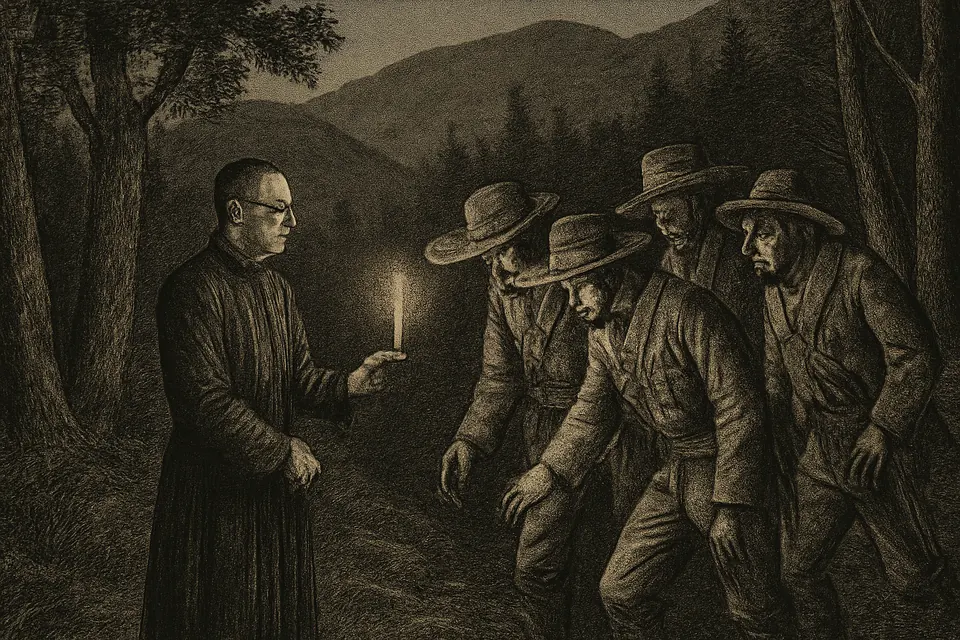
That night he was led out under guard and taken up into the Sierra de Quila. The Knights of Columbus account tells that the soldiers were stumbling in the dark, and Father José took a small devotional candle from his pocket and gave it to them to light the way. At the top of the mountain they stopped beneath an oak. He forgave them. To the man holding the rope, a friend of his, he said, "Don't dirty your hands." He took the noose, kissed it and placed it around his own neck. It was the early morning of June 26, 1927.
The soldiers left him in a shallow grave on the mountain and sent word to the town of what they had done.

Canonization
Pope John Paul II beatified him with the other Cristero martyrs in 1992 and canonized him on May 21, 2000, as one of St. Cristóbal Magallanes and his 24 companions, priests and laymen who died in the persecution of the 1920s. As a martyr, he did not need an approved miracle for beatification; the Church recognized his death as martyrdom for the faith. The Pope prayed that their example would help Mexicans "make a renewed commitment of fidelity to God."
Symbols of St. José María Robles in art
He lived in the age of photography, so his images follow photographs: a young priest in a black cassock with round eyeglasses. Look for:
- The Sacred Heart: the center of his life and preaching.
- A rope or an oak tree: the manner of his martyrdom.
- A candle: the light he gave to the soldiers who led him to death.
- The palm: the sign of a martyr.
He also appears in group images of the Mexican martyrs beside St. Toribio Romo and St. Mateo Correa Magallanes.
Prayer and feast day
We keep his feast on June 26, and on May 21 with all the martyrs canonized in 2000. There is no widely used English prayer to him, but his own poem is a prayer we can make ours. Let us ask St. José María Robles to pray for priests under pressure, for persecuted Christians and for all who want to love the Heart of Jesus with his fire. St. José María Robles, pray for us.
Frequently asked questions
Who was St. José María Robles Hurtado?
A priest of the Archdiocese of Guadalajara, born in Mascota, Jalisco, in 1888 and ordained in 1913. He founded the congregation now called the Sisters of the Heart of Jesus in the Blessed Sacrament, served as parish priest of Tecolotlán from 1920 and wrote poems and booklets to spread devotion to the Sacred Heart. He was hanged for his priesthood on June 26, 1927.
How did St. José María Robles die?
Soldiers arrested him on June 25, 1927, at a house in Tecolotlán where he was about to celebrate Mass in secret. Before dawn the next day they took him up into the Sierra de Quila. He forgave them, kissed the rope and placed it around his own neck, and they hanged him from an oak tree.
When is the feast of St. José María Robles Hurtado?
June 26, the day of his martyrdom. He is also honored on May 21 with the other Mexican martyrs canonized in 2000.
What was his last poem?
Shortly before his death he wrote a poem to the Sacred Heart that begins, in Spanish, "Quiero amar tu Corazón, Jesús mío, con delirio," "I want to love your Heart, my Jesus, with delirium," and asks to love Him "until martyrdom." The Vatican's biography quotes it.
Keep exploring
Sources
- Holy See, Office of Liturgical Celebrations: José María Robles Hurtado (biography, in Spanish). His birth, his congregation, his last poem (quoted) and his death on an oak in the Sierra de Quila
- John Paul II, homily for the canonizations of May 21, 2000
- Pedro A. Moreno, "St. José María Robles Hurtado" (Knights of Columbus), at CatholicCulture.org. The candle, his words to the executioner, his arrest at the Agraz home, the "Madman of the Sacred Heart" and his membership in the Knights of Columbus