St. María Guadalupe García Zavala: Mother Lupita, Nurse of the Poor
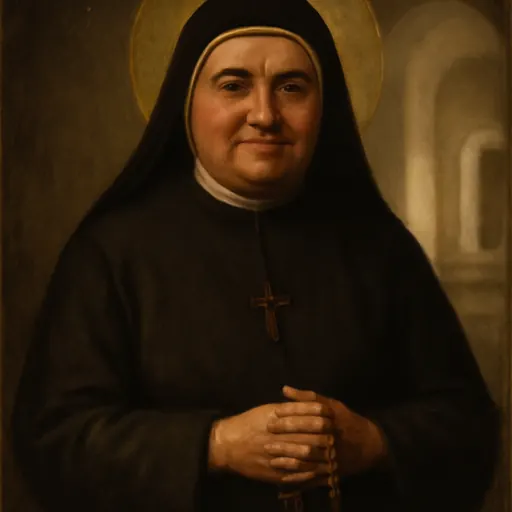
St. María Guadalupe García Zavala (1878 to 1963), known as Mother Lupita, was a Mexican nun who founded the Handmaids of St. Margaret Mary and the Poor and spent her life nursing the sick poor. During the persecution she hid priests and the archbishop in her hospital. Her feast is June 24, and nurses and the sick ask her prayers.
Who was St. María Guadalupe García Zavala?
St. María Guadalupe García Zavala, whom the people of Guadalajara called Mother Lupita, was a Mexican nun who spent more than sixty years nursing the sick poor. As a young woman engaged to be married, she broke off the engagement to found, with her spiritual director, a congregation devoted to the hospitalized poor: the Handmaids of St. Margaret Mary and the Poor. During the years when the Church in Mexico was persecuted, she risked her life to hide priests and the archbishop of Guadalajara in her hospital.
Pope Francis canonized her on May 12, 2013, at the first canonization Mass of his pontificate. We keep her feast on June 24.
The life of Mother Lupita
A child of Zapopan
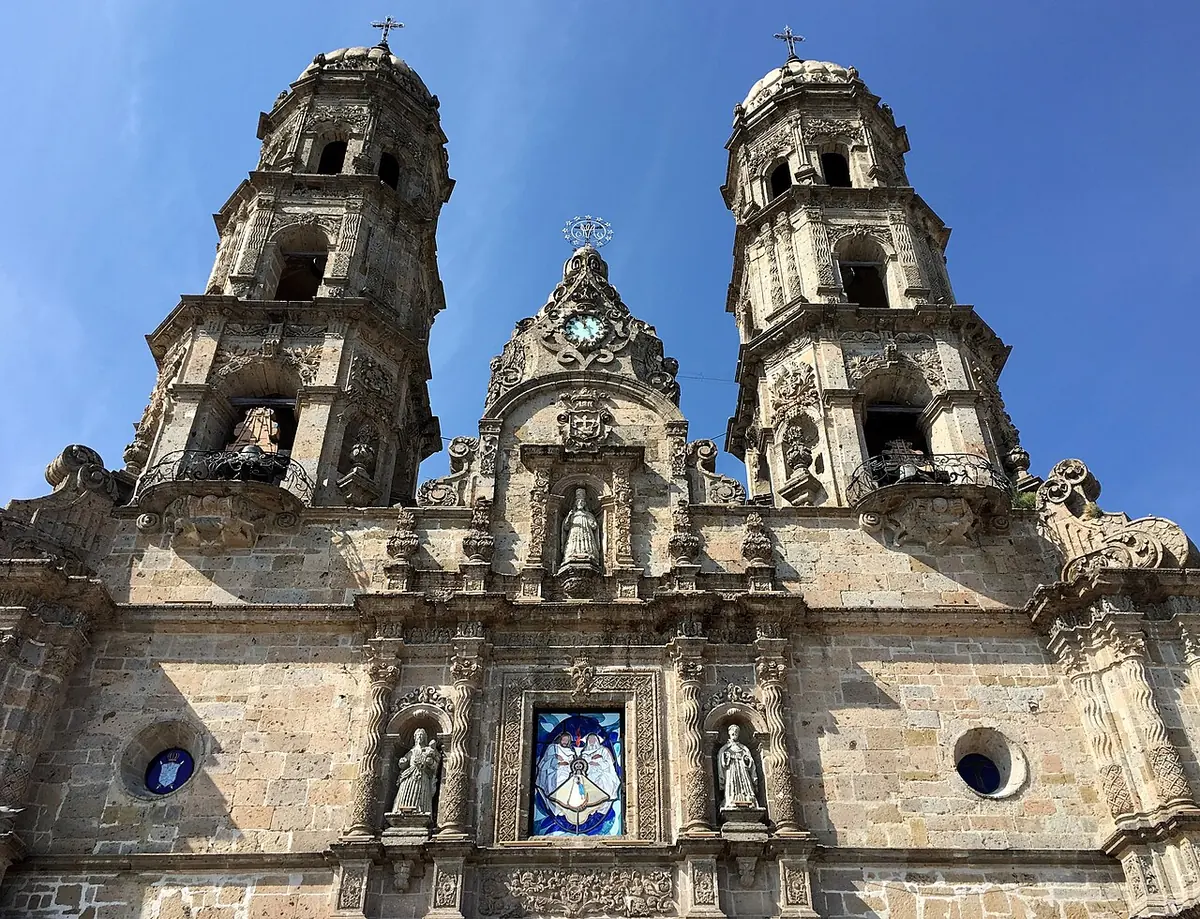
María Guadalupe García Zavala was born on April 27, 1878, in Zapopan, Jalisco, beside the city of Guadalajara, to Fortino García and Refugio Zavala de García. Her father kept a shop of religious goods next to the Basilica of Our Lady of Zapopan, and the little girl was in and out of the church all the time. Even as a child she was known for her love of the poor.
"No" to marriage, "yes" to Jesus
As a young woman she planned to marry a man named Gustavo Arreola. At twenty-three she suddenly broke off the engagement. She understood, the Vatican biography says, that Jesus was calling her to love him with an undivided heart, by caring for the poor and the sick. When she told her spiritual director, Fr. Cipriano Iñiguez, about her "sudden change of heart," he told her he had long felt inspired to found a congregation to care for the hospitalized, and he asked her to help him. The new congregation began on October 13, 1901, under the name of St. Margaret Mary Alacoque, the apostle of the Sacred Heart.
Poor with the poor
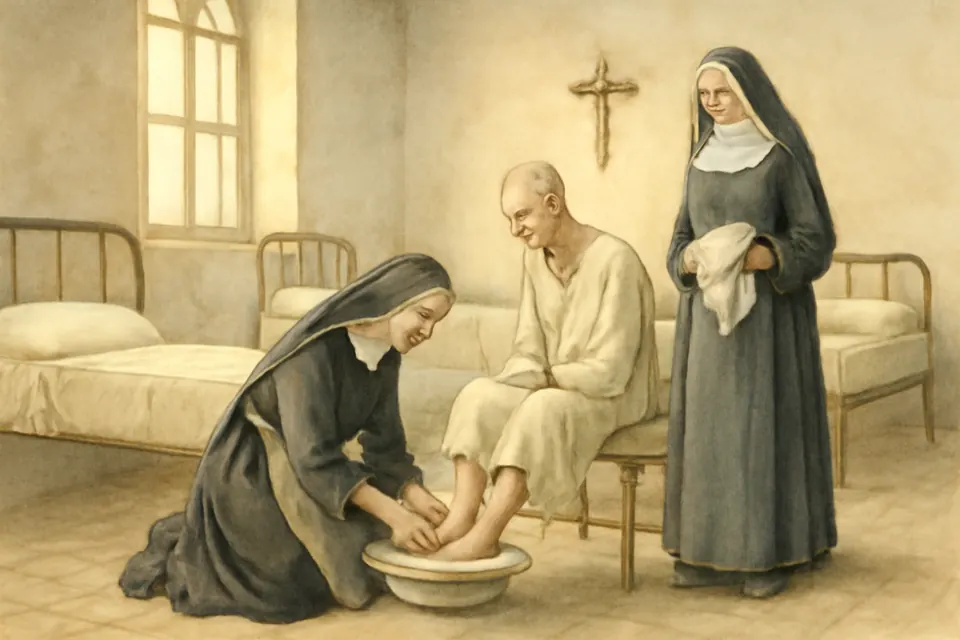
María worked as a nurse with the first patients who came to "their hospital." She was soon named superior general and taught her sisters mostly by example. She wanted them to live a real, joyful poverty, because only by loving poverty, she believed, could they be "poor with the poor." When the hospital ran short, she asked her director's permission to go out begging with the other sisters, and she asked for no more than the patients needed. The sisters also helped in parishes and taught catechism.
At her canonization Pope Francis described her in one image: "Mother Lupita would kneel on the hospital floor, before the sick, before the abandoned, in order to serve them with tenderness and compassion. And this is called 'touching the flesh of Christ.'"
Hiding priests in the persecution
From 1911 to 1936 the Church in Mexico went through revolution and persecution, worst of all in the Cristero years of the late 1920s, when the state of Jalisco lost priests such as St. Toribio Romo. Mother Lupita put her own life at risk to hide priests, and the archbishop of Guadalajara himself, inside the hospital. She did not limit her charity to the faithful. She also fed and cared for the persecutors who lived near the hospital, and before long they began to defend the hospital and its patients.

Her last years
During her lifetime the congregation made eleven foundations in Mexico. Her last two years were spent in great suffering from a serious illness, and she died in Guadalajara on June 24, 1963, at the age of 85. Today her sisters serve in Mexico, Peru, Iceland, Greece and Italy.
The miracles of St. María Guadalupe García Zavala
- First healing (approved). A healing through her intercession, which doctors could not explain, was approved in December 2003, and John Paul II beatified her in St. Peter's Square on April 25, 2004.
- Second healing (approved). A second healing was approved under Benedict XVI, and Pope Francis canonized her on May 12, 2013, with St. Laura Montoya and the Martyrs of Otranto.
Why Mother Lupita is a patron of nurses and the sick
She has no formal patronage from Rome, but her life was nursing. She cared for the sick with her own hands from 1901 until her final illness, and nurses, the sick and those who serve the poor have taken her as their own. See the other patron saints of nurses and more patron saints.
Symbols of St. María Guadalupe García Zavala in art
Because she lived until 1963, she is known from photographs, and her images follow them:
- The black habit and veil of the Handmaids of St. Margaret Mary and the Poor.
- A rosary and crucifix, worn in her photographs.
- A nurse's apron or a sick person at her side, in newer images of her work.
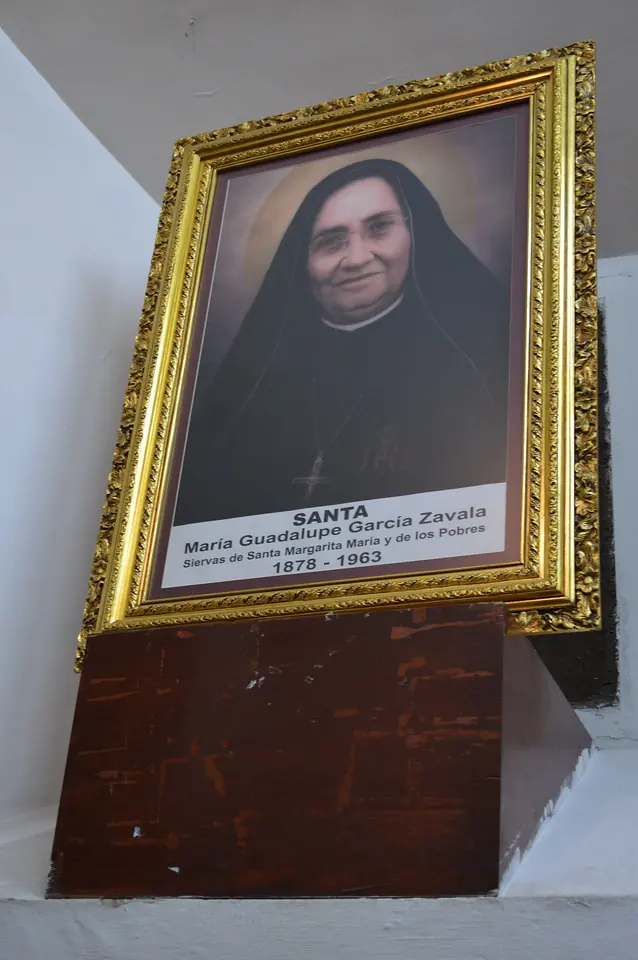
Portraits like the one in the Basilica of Zapopan show her as an old nun with a broad, warm smile.
Feast day and where she is honored
Her feast is June 24. She is honored in Guadalajara, where she worked and died, and in Zapopan, where she was born, and wherever her sisters serve. See the feast day calendar.
Prayer to St. María Guadalupe García Zavala
We have found no prayer of her own in common use. Her sisters and the people of Guadalajara simply ask her help for the sick, for nurses and for the poor. Let us pray with them: "St. María Guadalupe García Zavala, Mother Lupita, pray for us, and teach us to touch the flesh of Christ in the poor and the sick."
Frequently asked questions
When is the feast day of St. María Guadalupe García Zavala?
June 24, the day she died in Guadalajara in 1963 at the age of 85.
Who was Mother Lupita?
Mother Lupita is the name the people of Guadalajara gave María Guadalupe García Zavala. She co-founded the Handmaids of St. Margaret Mary and the Poor in 1901 and served as a nurse and superior general, caring for the sick poor in their hospital.
When was Mother Lupita canonized?
Pope Francis canonized her on May 12, 2013, in St. Peter's Square, at his first canonization Mass, together with St. Laura Montoya of Colombia and the Martyrs of Otranto. John Paul II had beatified her on April 25, 2004.
Is St. María Guadalupe García Zavala a patron of nurses?
She has no official patronage, but she worked as a nurse all her life, and nurses and the sick in Mexico and beyond have taken her as their patron.
Keep exploring
- Patron saint pages
- NursesHealing
- Feast-day calendar
- Saints remembered in JuneSaint of the dayWhat saint is my birthday?
- Same name
- Other saints named Mary →
- More
- Saints A to ZPatron saints A to ZExplore every section
Sources
- Vatican: María Guadalupe García Zavala (1878-1963), biography. her broken engagement to Gustavo Arreola, the founding on October 13, 1901, the hiding of priests and the archbishop, her care for the persecutors
- Pope Francis, homily for the canonizations of May 12, 2013. touching the flesh of Christ
- Wikipedia: María Guadalupe García Zavala. only source found for the dates on which the two miracles were approved