Sts. Julius and Aaron, Martyrs of Caerleon
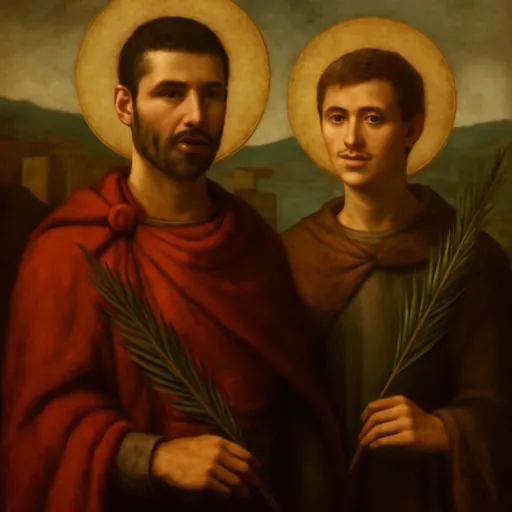
Sts. Julius and Aaron were Christian citizens of Caerleon, the Roman legionary town of Isca in what is now Wales, who died for Christ during a Roman persecution. With St. Alban, they are the only martyrs of Roman Britain whose names have come down to us. Catholics in Wales honor all three together on June 20.
Who were Sts. Julius and Aaron?
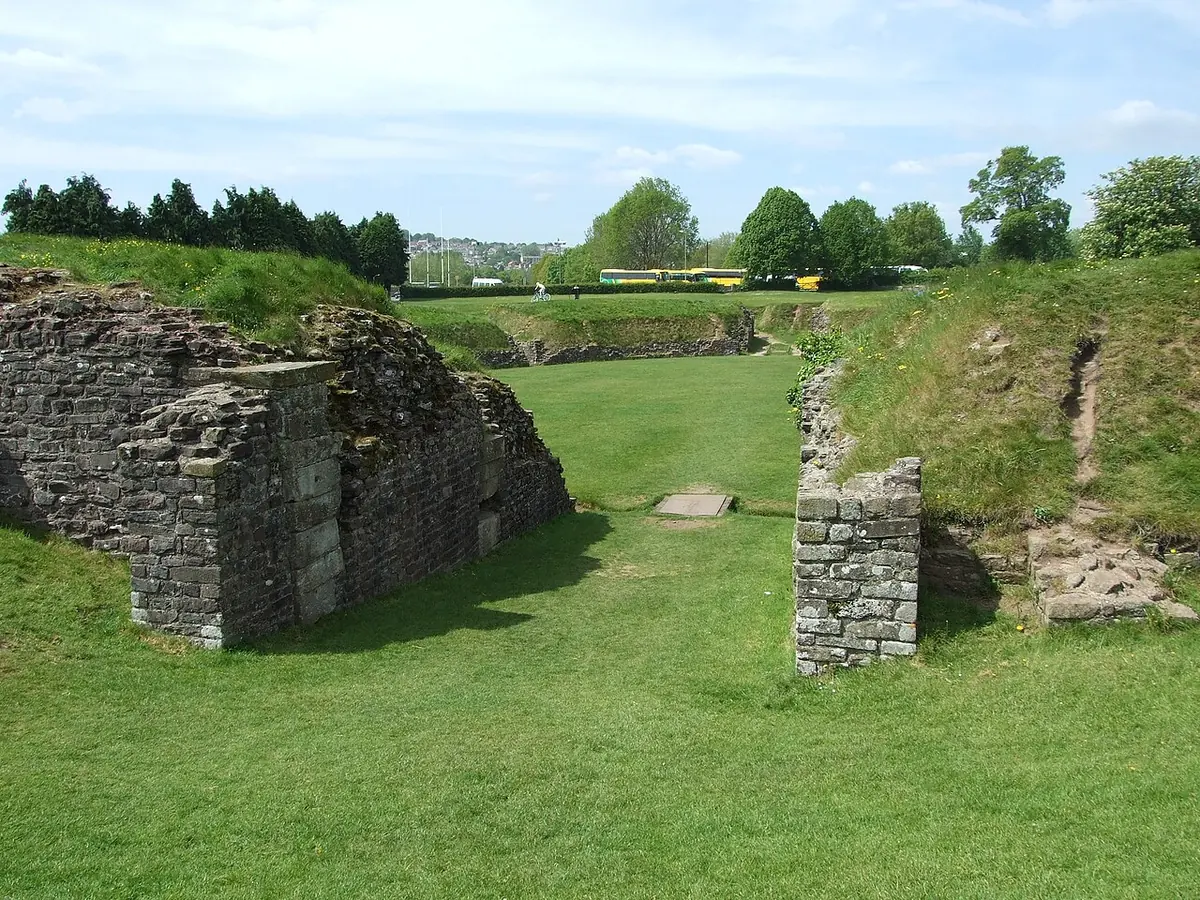
Sts. Julius and Aaron were two Christians of Caerleon, the Roman fortress town of Isca on the river Usk in south Wales, who gave their lives for Christ during a Roman persecution. Nothing else about them is certain: not their ages, not their trades, not the manner of their deaths. Yet their names have been remembered for more than fifteen hundred years. With St. Alban of Verulamium, they are the only martyrs of Roman Britain whose names we know.
Catholics in Wales keep their memory together with St. Alban on June 20, honoring all three as the first martyrs of Britain.
What Gildas tells us
Our earliest witness is the British monk Gildas, writing in the sixth century in On the Ruin of Britain. He says that in a time of persecution God "kindled for us bright lamps of holy martyrs," and he names them: "Saint Alban of Verulam, Aaron and Julius, citizens of Caerleon, and the rest of both sexes in different places." His Latin calls the two men legionum urbis cives, citizens of the City of the Legions. He adds that their graves and the places where they suffered would still stir people to the love of God, if so many of them had not been lost to the British in the wars with the invaders.
Gildas does not claim to know exactly when they died. His Latin words ut conicimus, "as we conclude," show he was making his best guess. Two centuries later St. Bede the Venerable repeated Gildas in his Ecclesiastical History: "At the same time suffered Aaron and Julius, citizens of Caerleon, and many more of both sexes in several places." Later medieval writers, above all Geoffrey of Monmouth, added colorful details of their own, which historians do not trust.
When did they die?
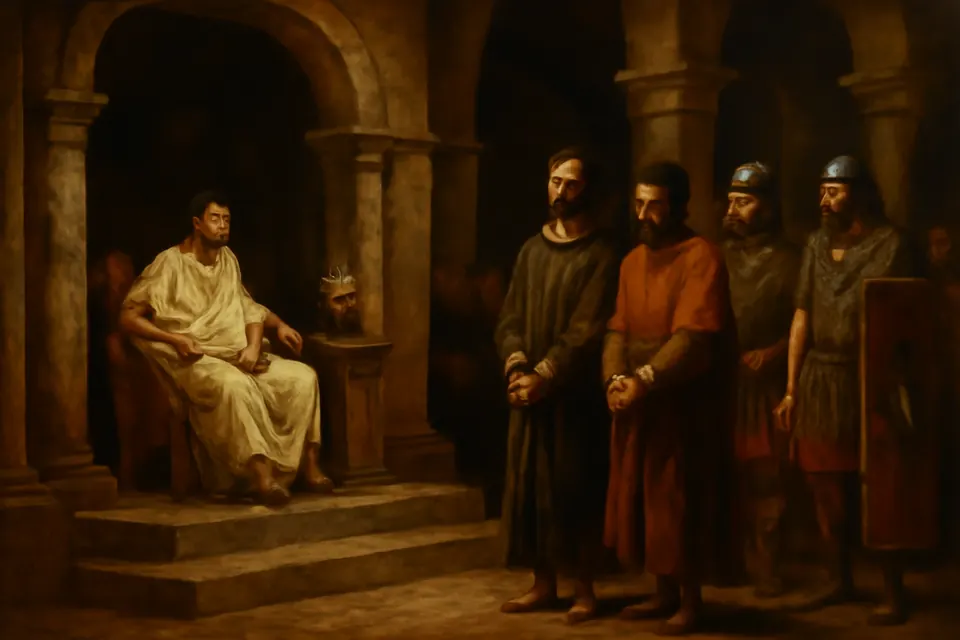
Gildas and Bede linked them with the great persecution under Diocletian in the early 300s. Many modern historians doubt that date, because the Second Legion had largely moved away from Caerleon by the 290s. They suggest instead the persecutions of Decius (249–251) or Valerian (257–259). Either way, Julius and Aaron were among the first fruits of the faith in Britain.
The name Aaron is unusual. It is the name of the brother of Moses, and some have wondered whether he came from a Jewish family. Julius was a common Roman name, frequent among the soldiers stationed at Caerleon. Beyond that, we can only guess.
The miracles of Sts. Julius and Aaron
No miracles of Julius and Aaron have come down to us. What has come down is their witness. Gildas says only that they suffered torments and remained firm, which is the oldest and truest sign of a martyr. Any later details of their sufferings are traditional at best, built on Gildas's general words.
The martyr shrine at Caerleon
Gildas implies a shrine, and the evidence for one is unusually good. The Book of Llandaff, a twelfth-century collection of older charters, records a grant made to Bishop Nudd of Llandaff, in the eighth century, of "all the territory of the martyrs Julius and Aaron, which formerly had belonged to Saint Dubricius." A place called Merthir Iulii et Aaron, the martyrium of Julius and Aaron, lay near Caerleon. In Welsh, merthyr (from the Latin martyrium) means a church built over a martyr's grave. As the Welsh scholar Hugh Williams put it, "There must have been a tradition to this effect at Caerleon in the sixth century."
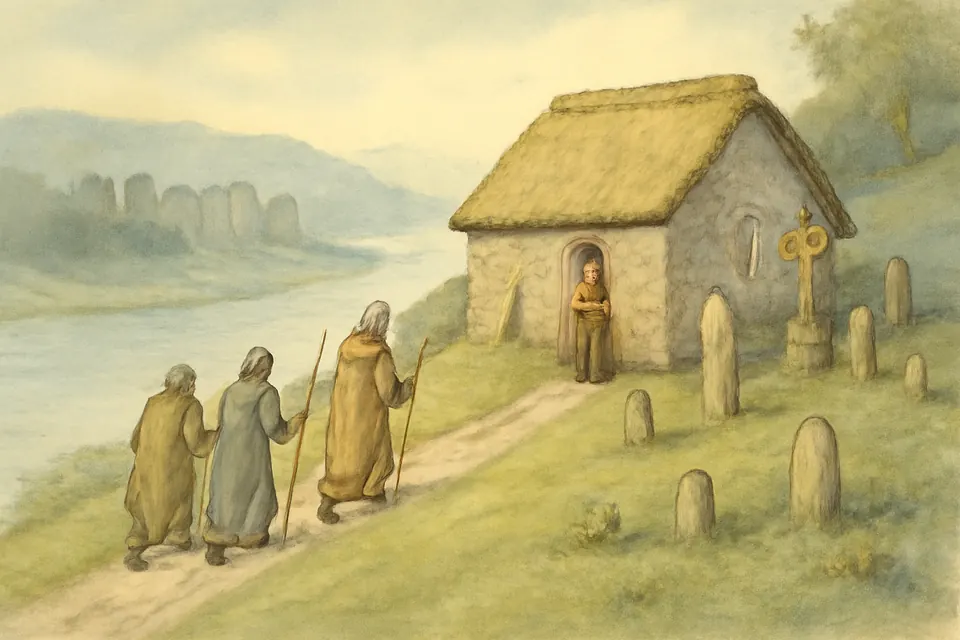
After the Norman Conquest, Robert de Chandos gave the church of Julius and Aaron at Caerleon to his new priory at Goldcliff, founded around 1113. In the twelfth century Gerald of Wales still saw two churches at Caerleon dedicated to the martyrs. Bishop Francis Godwin, writing around 1600, said the older generation remembered two chapels named for them on the east and west sides of the town, about two miles apart. Stone coffins found at the reputed site of St. Aaron's chapel show that it was a Christian burial ground.
No relics of either martyr are known to survive today.

Feast day
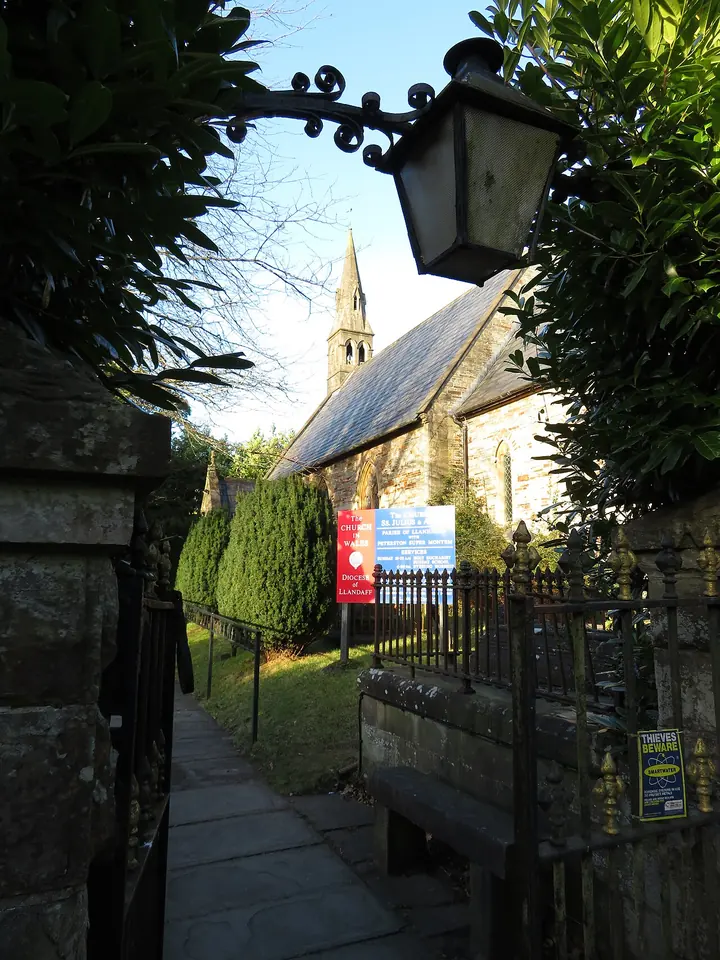
Old English martyrologies, such as Richard Whytford's of 1526, kept Julius and Aaron on July 1. The Catholic Church in Wales now honors them with St. Alban on June 20, an optional memorial in the national calendar for Wales. Several Welsh churches carry their names: the Catholic parish of Caerleon, dedicated to Sts. Julius, Aaron and David, and churches of Sts. Julius and Aaron at Llanharan in Glamorgan and at St. Julians in Newport.
Symbols of Sts. Julius and Aaron in art
Because no early images of them survive, Julius and Aaron have no fixed iconography. Modern artists show them as two men of Roman Britain in tunics and cloaks, sometimes one in a soldier's dress, each holding the palm of martyrdom and sometimes a crown, the signs given to all martyrs. They are often painted beside St. Alban, who is recognized by his soldier's cloak and sword. If you see three martyrs together in a Welsh or English church, with a Roman soldier among them, they are very likely Alban, Julius and Aaron.
Prayer to Sts. Julius and Aaron
There is no traditional English prayer to Julius and Aaron alone. On June 20, Catholics in Wales celebrate the Mass of the holy martyrs Alban, Julius and Aaron. Let us ask these first witnesses of Britain to pray for the Church in Wales and England, and for all Christians who suffer for their faith today. Holy martyrs Julius and Aaron, pray for us.
Frequently asked questions
Who were Sts. Julius and Aaron?
Two Christians of Caerleon in Roman Britain who were martyred for the faith, most likely in the third century. The sixth-century writer Gildas names them as "citizens of the City of the Legions," and they are, with St. Alban, the only named martyrs of Roman Britain.
When is the feast of Sts. Julius and Aaron?
June 20 in the Catholic calendar for Wales, where they are kept together with St. Alban as the first martyrs of Britain. Older English martyrologies kept them on July 1.
When did Sts. Julius and Aaron die?
Gildas places their martyrdom in "the persecution" but admits he is only guessing at the period. Older writers assumed Diocletian's persecution of 303 to 305. Because the legion had largely left Caerleon by then, many historians now prefer the persecutions of Decius or Valerian in the 250s.
Are there churches dedicated to Sts. Julius and Aaron?
Yes. The Catholic parish of Caerleon is dedicated to Sts. Julius, Aaron and David, and there are churches of Sts. Julius and Aaron at Llanharan in Glamorgan and at St. Julians in Newport.
Keep exploring
Sources
- S. Baring-Gould and J. Fisher, The Lives of the British Saints, vol. 1 (1907), S. Aaron, Martyr. Gildas's words in Hugh Williams's translation, the merthyr of Julius and Aaron in the Book of Llandaff, the grant to Bishop Nudd of land "which formerly had belonged to Saint Dubricius," the two chapels near Caerleon, the Goldcliff grant and the July 1 date in Whytford's martyrology
- S. Baring-Gould, The Lives of the Saints, vol. 7: July, part 1 (1914), July 1, SS. Julius and Aaron. Bede's account, the older martyrologies and Gerald of Wales on the two churches at Caerleon
- Liturgy Office: National Calendar for Wales. The June 20 memorial of "St Alban, St Julius and St Aaron, martyrs"