St. John Rigby, Lay Martyr of Lancashire
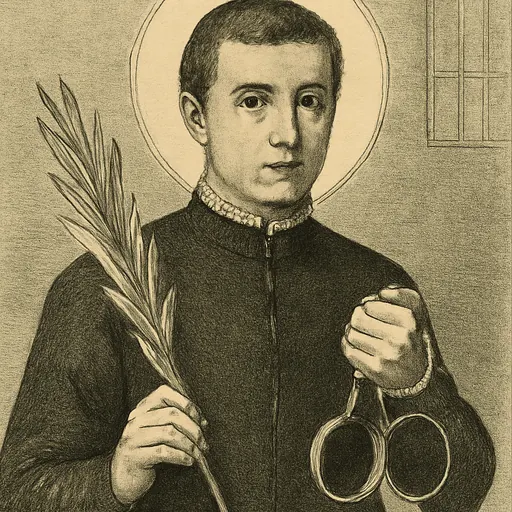
St. John Rigby (about 1570–1600) was a Catholic layman from Harrock Hall in Lancashire who was hanged, drawn and quartered at St. Thomas Waterings on June 21, 1600, because he had been reconciled to the Church and would not attend Protestant services. Pope Paul VI canonized him in 1970 among the Forty Martyrs of England and Wales.
Who was St. John Rigby?
St. John Rigby was a young Catholic layman from Lancashire who gave his life for the faith in the last summer of Queen Elizabeth's century. He was not a priest, and he was not hunted down. He went to court on an errand for someone else, answered honestly when he was asked his own religion, and would not take the answer back. He was hanged, drawn and quartered at St. Thomas Waterings, on the road out of Southwark, on June 21, 1600. We keep his feast on that day.
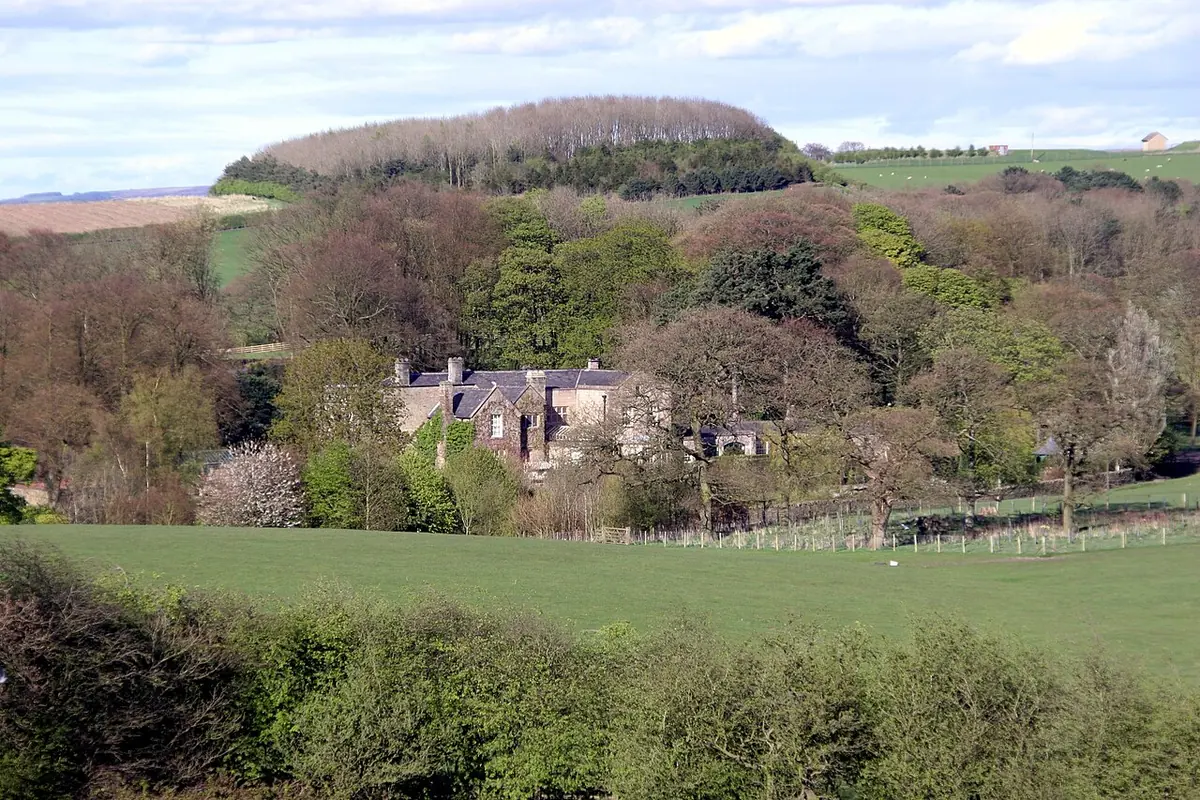
He was born about 1570 at Harrock Hall in the parish of Eccleston, the fifth or sixth son of Nicholas Rigby and Mary Breres of Preston. The family was old but not rich, and John had to go into service. In those years he sometimes went to the Protestant church to stay out of trouble. Bishop Richard Challoner, who gathered the martyrs' stories in the 1700s, says he was "always a Catholic in his heart" and afterward repented of it bitterly.
He made his confession to the Franciscan priest John Jones, then a prisoner in the Clink, and was reconciled to the Church. From then on he stopped attending Protestant services and, Challoner writes, brought others back to the faith, his own elderly father among them. Father Jones was executed in 1598 at the same spot where Rigby himself would die two years later. Both are now saints.
An errand at the Old Bailey
Rigby was serving in the household of Sir Edmund Huddleston. In February 1600 Sir Edmund's widowed daughter, Mrs. Fortescue, was summoned to the Old Bailey for recusancy, the crime of refusing to attend the established church. She was ill, and Rigby went to explain her absence. One of the commissioners had a grudge against him and began asking about his own religion. Rigby admitted that he was a Catholic, that he no longer went to church and that he would not take the oath of the Queen's supremacy. He was sent to Newgate.
The next day, February 14, he signed a statement that he had been reconciled by Father Jones. That signature was enough for a charge of treason. As the keeper put an iron chain on him, Rigby wrote later, "I would not change my chain for my Lord Mayor's great chain."
His trial
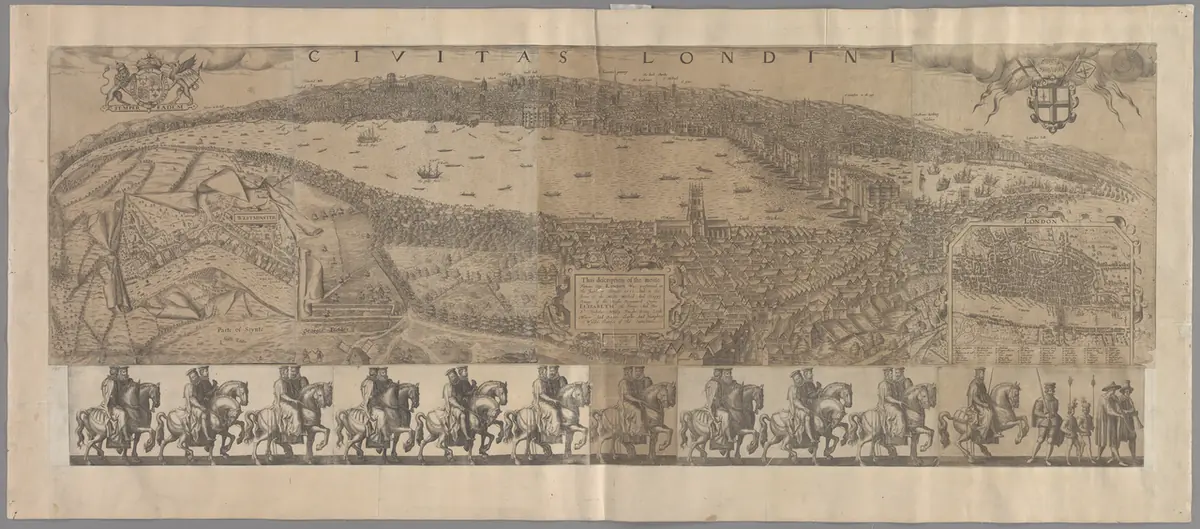
He was moved to the White Lion prison in Southwark and brought to trial in March with a group of common felons. Rigby wrote his own account of what followed, which Challoner printed. Justice Gaudy told him the Queen was merciful if he would only go to church. Rigby answered that he was a loyal subject in everything that did not hurt his conscience, "but to say that I will go to church, I never will."
When the jury returned a verdict of guilty, he called out "Laus tibi, Domine!" When sentence was passed he said:
Deo gratias; all is but one death, and a fleabite in comparison of that which it pleased my sweet Saviour Jesus to suffer for my salvation.
Gaudy obtained a reprieve for him until the next sessions. On June 19 he was brought back and asked once more whether he would go to church. "I thank God I am the same man that I was," he replied.
The miracle of the shackles
The judge saw that he had no irons on his legs and rebuked the keeper, who had a heavy pair riveted on. Rigby knelt, made the sign of the cross and kissed them. The next day, standing in the Sessions House, the irons fell from his legs to the floor. He smiled, told the keeper and asked him to fasten them tighter. They fell off a second time. "I esteem them," he said, "jewels of too great price to be lost." The keeper's man refused to touch them again.
- Reported: the falling of the shackles is told in Dr. Thomas Worthington's account, printed the year after Rigby's death, and repeated by Challoner, who says "most men thought" it miraculous. It was never formally investigated. Asked what he made of it, Rigby said he hoped it was a sign that he would soon be set free from this mortal life. A Catholic servant girl named Mercy, the account adds, had dreamed the night before that his irons fell off.

A maid to the end
On the morning of Saturday, June 21, he was told he would die that day. "It is the best tidings that ever was brought me since I was born," he said. Laid on the hurdle to be dragged to the gallows, he pulled his hat over his eyes and prayed.
On the way, Captain Whitlock and the Earl of Rutland rode up and stopped the hurdle. The captain asked whether he was married. Rigby answered, as the Catholic Encyclopedia gives it, "I am a bachelor; and more than that I am a maid." The captain, moved, asked for his prayers.

At the gallows he said the Our Father, the Hail Mary, the Creed and the Confiteor, gave the executioner a gold coin as a sign of forgiveness and prayed for the Queen. He was cut down alive, and his last clear words were "God forgive you. Jesus receive my soul." He was about thirty.
Canonization
Pope Pius XI beatified John Rigby in 1929 with a large group of English martyrs. Pope Paul VI canonized him on October 25, 1970, as one of the Forty Martyrs of England and Wales, together with Father John Jones, the priest who had reconciled him.
Symbols of St. John Rigby in art
No portrait from his lifetime survives, so images of him are modern. He is usually shown as a young gentleman of 1600, in a doublet and ruff rather than clerical dress, since he was a layman. Look for:
- The palm: the sign of a martyr.
- Broken or opened shackles: the irons that fell from his legs at his trial.
- A rope or hurdle: the manner of his death, in group images of the English martyrs.
He appears among the Forty Martyrs in paintings and windows of English and Welsh churches, usually beside the other lay martyrs such as St. Margaret Clitherow.
Feast day and where he is honored
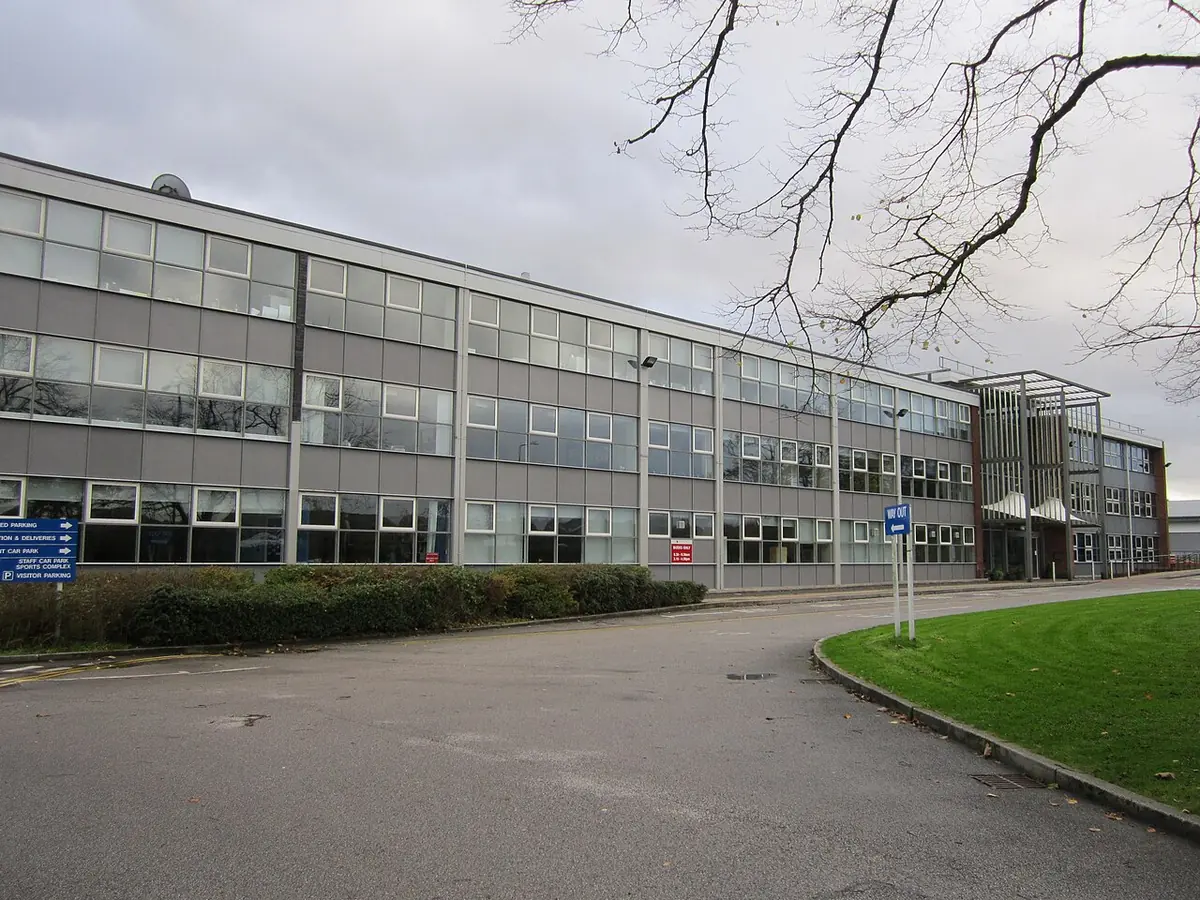
We keep his feast on June 21. Lancashire remembers its own: St. John Rigby College in Orrell, near Wigan, a few miles from Harrock, bears his name. Because his body was quartered and set up around Southwark, there is no tomb to visit. See the feast day calendar for the other martyrs of these years.
We know of no traditional prayer composed for St. John Rigby alone. Let us ask him, who was honest when a lie would have saved him, to pray for all who are questioned for their faith, and for young men and women keeping chastity in a hard world. St. John Rigby, pray for us.
Frequently asked questions
Who was St. John Rigby?
A Catholic layman from Lancashire, a younger son of Nicholas Rigby of Harrock Hall, who served in the household of Sir Edmund Huddleston. When he went to the Old Bailey to excuse his master's sick daughter from a recusancy charge, he was questioned about his own faith, admitted he was a Catholic and was sent to Newgate. He was executed on June 21, 1600.
Why was John Rigby executed?
Under Elizabethan law it was treason to be reconciled to the Catholic Church by a priest. Rigby had been reconciled by the Franciscan St. John Jones and refused to go to the Protestant church. The judges offered him his life more than once if he would conform, and he refused.
When is the feast of St. John Rigby?
June 21, the day of his martyrdom. He is also honored with the Forty Martyrs of England and Wales, canonized by Pope Paul VI on October 25, 1970.
What happened to St. John Rigby's shackles?
According to Challoner's account, drawn from Dr. Thomas Worthington's narrative printed the year after his death, the irons riveted on his legs fell off twice in the Sessions House. Rigby asked the keeper to fasten them again, calling them "jewels of too great price to be lost."
Keep exploring
Sources
- Catholic Encyclopedia (1912): St. John Rigby. His family, the dates of his arrest and trial, and the "bachelor" answer
- Richard Challoner, Memoirs of Missionary Priests (1924 ed.), pp. 238–244, at archive.org. His own written account of the trial, the shackles, his words on the hurdle and his execution, drawn from Worthington's account of 1601
- Holy See: Paul VI, Canonization of forty martyrs from England and Wales, October 25, 1970