Blessed Peter Snow, Priest and Martyr of York
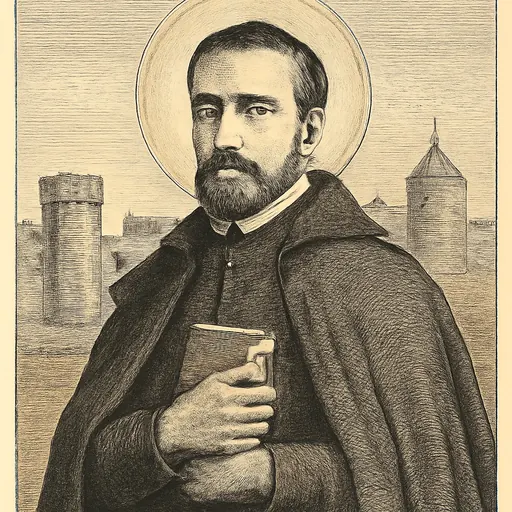
Blessed Peter Snow (died 1598) was an English Catholic priest from Ripon in Yorkshire, ordained at Reims in 1591, who served the hidden Catholics of England for nearly seven years. Arrested near York with the layman Ralph Grimston, who tried to defend him, he was executed for his priesthood at York on June 15, 1598. John Paul II beatified both men in 1987.
Who was Blessed Peter Snow?
Blessed Peter Snow was a Yorkshire priest who died for the Mass in the last years of Queen Elizabeth I. Ordained at Reims in 1591, he came home the same year and served the hidden Catholics of the north for nearly seven years. In the spring of 1598 he was arrested on the road to York with a Catholic gentleman, Ralph Grimston, who tried to defend him. Both were condemned and both died at York on June 15, 1598: the priest for being a priest, the layman for helping him.
He is not the British broadcaster of the same name. Our Peter Snow is one of the 85 martyrs of England, Scotland and Wales whom Pope John Paul II beatified on November 22, 1987.
The life of Blessed Peter Snow
From Ripon to Reims
What we know of Peter Snow comes mostly from Bishop Richard Challoner's Memoirs of Missionary Priests, first published in 1741, which drew on a Douay manuscript and the diary of the English College. Challoner wrote that the Rev. Ralph Fisher placed his birth "at or near Ripon, in Yorkshire," while the college catalog listed him under the Diocese of Chester. His date of birth is not recorded.
Catholic worship was outlawed in England, and a young man who wanted to be a priest had to go abroad. Peter Snow made his higher studies at the English College, which had moved for a time from Douai to Reims. He was ordained there in 1591 and sent on the English mission that same year. Under the law of 1585, any priest ordained abroad who set foot in England was guilty of high treason.
Seven years in hiding
For nearly seven years he moved from house to house, saying Mass in secret, hearing confessions and baptizing, sheltered by Catholic families who risked their own lives to keep him. Challoner says simply, "Here he laboured till 1598."

Arrest on the road to York
About the feast of Sts. Philip and James, at the start of May 1598, Fr. Snow was riding toward York with Ralph Grimston, a gentleman of Nidd, near Knaresborough. They were stopped and taken together. Challoner records the tradition that Grimston lifted his weapon to defend the priest at the moment of arrest.
The two men were soon tried and condemned: Peter Snow of treason, "as being a Seminary priest," and Ralph Grimston of felony, for aiding and assisting him. The Roman Martyrology puts it plainly: one was condemned because he was a priest, the other because he had tried to keep him from capture.
Martyrdom at York
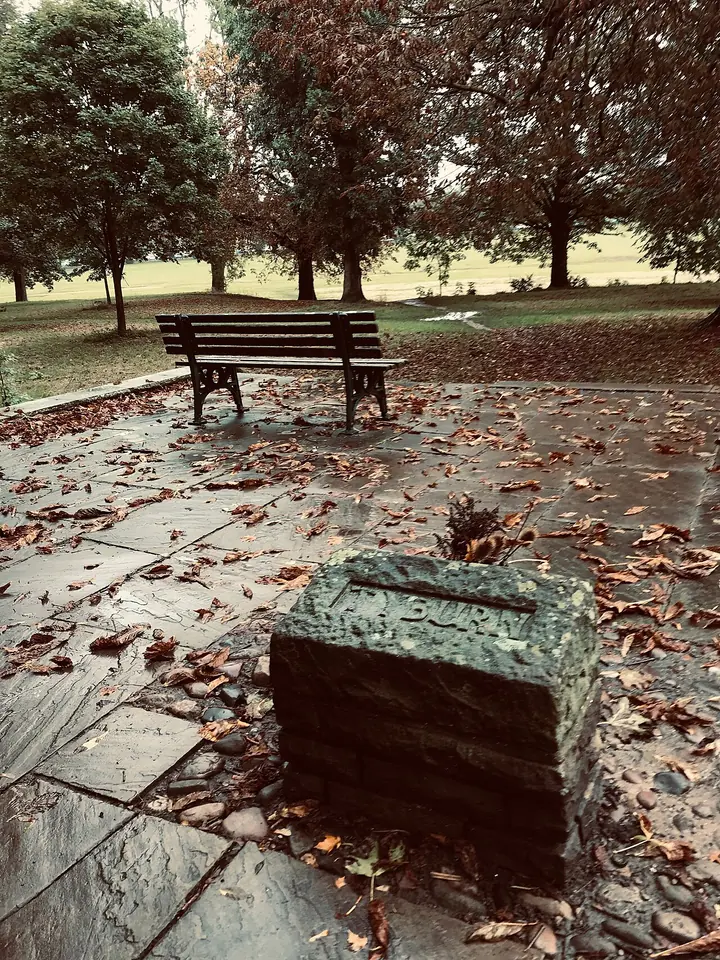
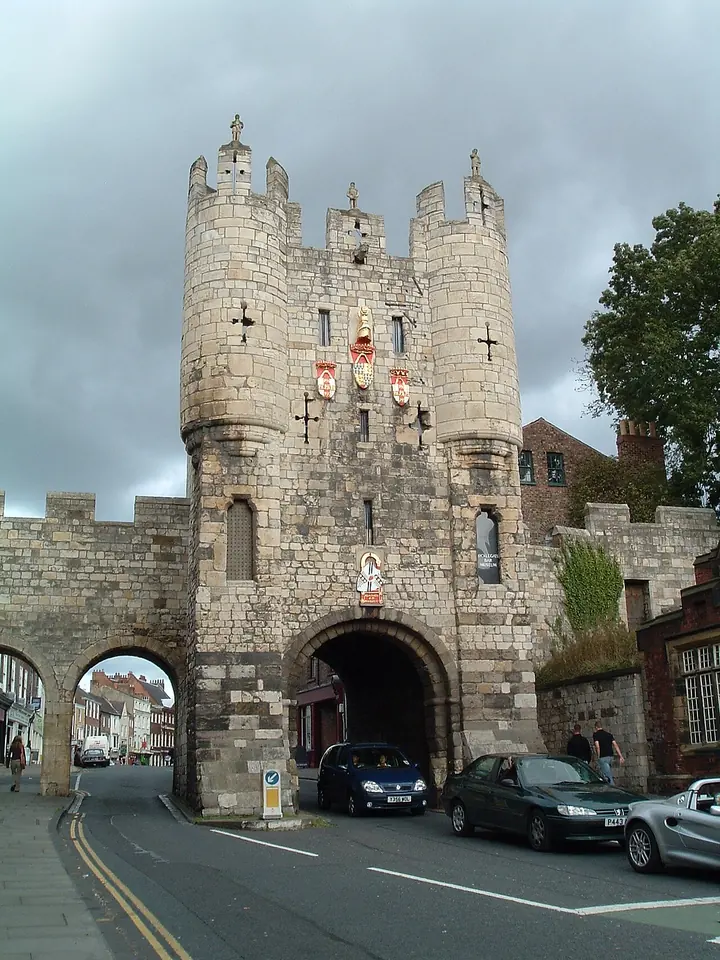
They suffered together at York on June 15, 1598. The place of execution for the county was the York gallows on the Knavesmire, outside the city walls. Fr. Snow was hanged, drawn and quartered, and Ralph Grimston was hanged. According to the account given by Santi e Beati, their heads were set up on Micklegate Bar, the main gate of the city, as a warning to other Catholics.
Relics of Blessed Peter Snow
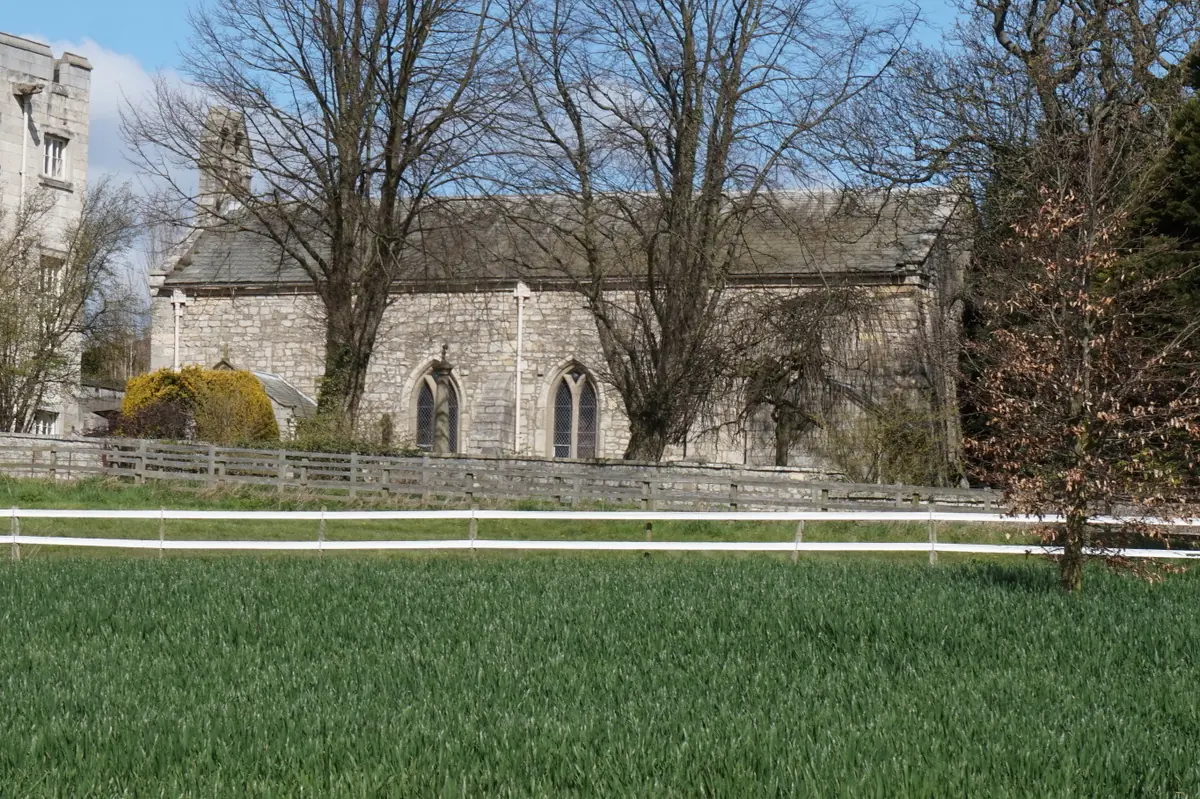
In 1845 two skulls were found beneath the stone floor of the old chapel at Hazlewood Castle, near Tadcaster, the home of a recusant Catholic family. At first they were thought to belong to two other York martyrs, John Lockwood and Edmund Catherick, and were placed in a niche by the altar. In 1909 Hildebrand Lane Fox, who knew the local tradition, said they were the heads of Peter Snow and Ralph Grimston. After the Carmelites acquired Hazlewood in 1968, a forensic examination estimated the ages of the two men, which ruled out Lockwood and Catherick.
In 2005 Bishop Arthur Roche of Leeds had the relics placed in the altar of Leeds Cathedral. These are claimed relics: the identification rests on tradition and the forensic evidence, not on certain proof.
Where the relics of Blessed Peter Snow are kept: see them on the relics map →
Beatification
The English martyrs were long called "Venerable," as the Catholic Encyclopedia of 1909 names them. John Paul II beatified Peter Snow and Ralph Grimston on November 22, 1987, the feast of Christ the King, with George Haydock and 82 others. As martyrs they were beatified without a miracle. "Laymen and priests worked together," the pope said that day; "together they stood on the scaffold and together welcomed death." No miracles, approved or reported, are recorded for Peter Snow; his witness is his death.
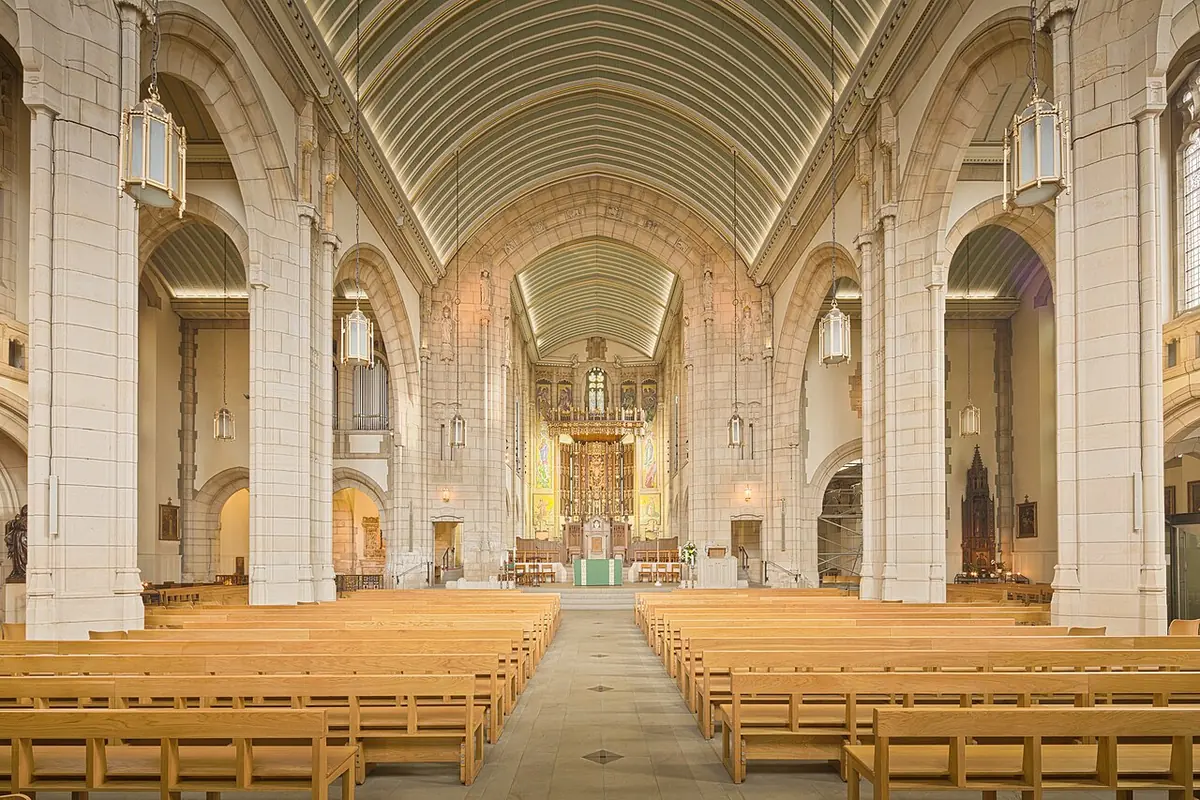
Symbols of Blessed Peter Snow in art
No portrait of Peter Snow from his own time survives, and he is rarely painted alone. In images of the English martyrs, priests like him are shown in the plain clothes they wore as disguise, with a stole or breviary for the priesthood they hid, a noose for the gallows, and the palm of martyrdom. When he appears with Ralph Grimston, the layman is often shown armed, recalling his attempt to defend the priest.
Feast day and where he is honored
We keep his feast on June 15, the day he died, together with Blessed Ralph Grimston. In England and Wales both are also honored on May 4 with all the English Martyrs. Pilgrims honor them at Leeds Cathedral and in York, the city of St. Margaret Clitherow and Blessed Nicholas Postgate. See our feast days calendar for other martyrs of the season.
Praying with Blessed Peter Snow
There is no traditional prayer to Blessed Peter Snow that we can cite, so we do not print one. The prayers of the Church for the English Martyrs on May 4 include him.
Let us ask Blessed Peter Snow and Blessed Ralph Grimston to pray for priests who serve in danger, for the lay people who stand by them, and for friendships that hold firm in time of trial.
Frequently asked questions
Who was Blessed Peter Snow?
A priest of the Elizabethan persecution, not to be confused with the modern broadcaster of the same name. Born at or near Ripon, he trained at the English College, then at Reims, returned to England in 1591, and was hanged, drawn and quartered at York in 1598.
Who was Ralph Grimston?
A Catholic gentleman of Nidd, near Knaresborough, who was traveling with Fr. Snow when they were arrested. He was hanged for aiding a priest and, it was said, for raising his weapon to defend him. He is beatified with him and shares his feast.
When is the feast of Blessed Peter Snow?
June 15, the day of his death, as the Roman Martyrology lists it. In England and Wales he is also remembered on May 4 with all the English Martyrs.
Where are Peter Snow's relics?
Two skulls found in 1845 under the floor of the old chapel at Hazlewood Castle are believed to be those of Peter Snow and Ralph Grimston. In 2005 they were placed in the altar of Leeds Cathedral.
Keep exploring
Sources
- Richard Challoner, Memoirs of Missionary Priests, ed. J. H. Pollen (1924), pp. 232–233. Ripon or the Diocese of Chester, ordination at Reims in 1591, arrest about the feast of Sts. Philip and James with Ralph Grimston of Nidd, the charges, and the date of death; Challoner drew on a Douay manuscript and the college diary
- John Hungerford Pollen, "English Confessors and Martyrs (1534–1729)," The Catholic Encyclopedia, vol. 5 (1909). Listed for June 15, 1598, at York with Ralph Grimston
- Roman Martyrology 2004, June (GCatholic). June 15 entry for Blesseds Peter Snow and Ralph Grimston
- John Paul II, Homily for the beatification of 85 martyrs of England, Scotland and Wales, November 22, 1987, Vatican. The 1987 beatification and the pope's words on the priests and laymen who died together
- Beati Pietro Snow e Rodolfo Grimston, Santi e Beati (Italian). The heads on Micklegate Bar, the skulls found at Hazlewood in 1845, the 1909 identification, the forensic examination and the 2005 placing in Leeds Cathedral