Blessed Maria Theresia Scherer, Mother of the Poor of Ingenbohl

Blessed Maria Theresia Scherer (1825–1888) was a Swiss sister who co-founded, with the Capuchin Theodosius Florentini, the Sisters of Mercy of the Holy Cross of Ingenbohl and led them as first superior general for 31 years. Called the "mother of the poor," she sent her sisters into hospitals, schools and orphanages across Central Europe. She was beatified in 1995; her memorial is June 16.
Who was Blessed Maria Theresia Scherer?
Blessed Maria Theresia Scherer was a Swiss farmer's daughter who became the first superior general of the Sisters of Mercy of the Holy Cross of Ingenbohl, one of the great nursing and teaching congregations of nineteenth-century Europe. With the Capuchin Fr. Theodosius Florentini she co-founded the community, and after his death she carried it, and his debts, on her own shoulders. The poor called her their mother. Pope John Paul II beatified her in 1995, and we keep her memorial on June 16, the day she died in 1888.
A girl from Meggen
She was born Anna Maria Katharina Scherer on October 31, 1825, in Meggen, on Lake Lucerne. Her parents, Karl Scherer and Maria Sigrist, were farmers. Her father died when she was seven, and relatives raised her until she was sixteen. They sent her to Lucerne to learn housekeeping and nursing at the city hospital, where sisters cared for the patients. The Dicastery for the Causes of Saints notes that she had to overcome a strong repugnance for the sick, especially those who could not look after themselves.
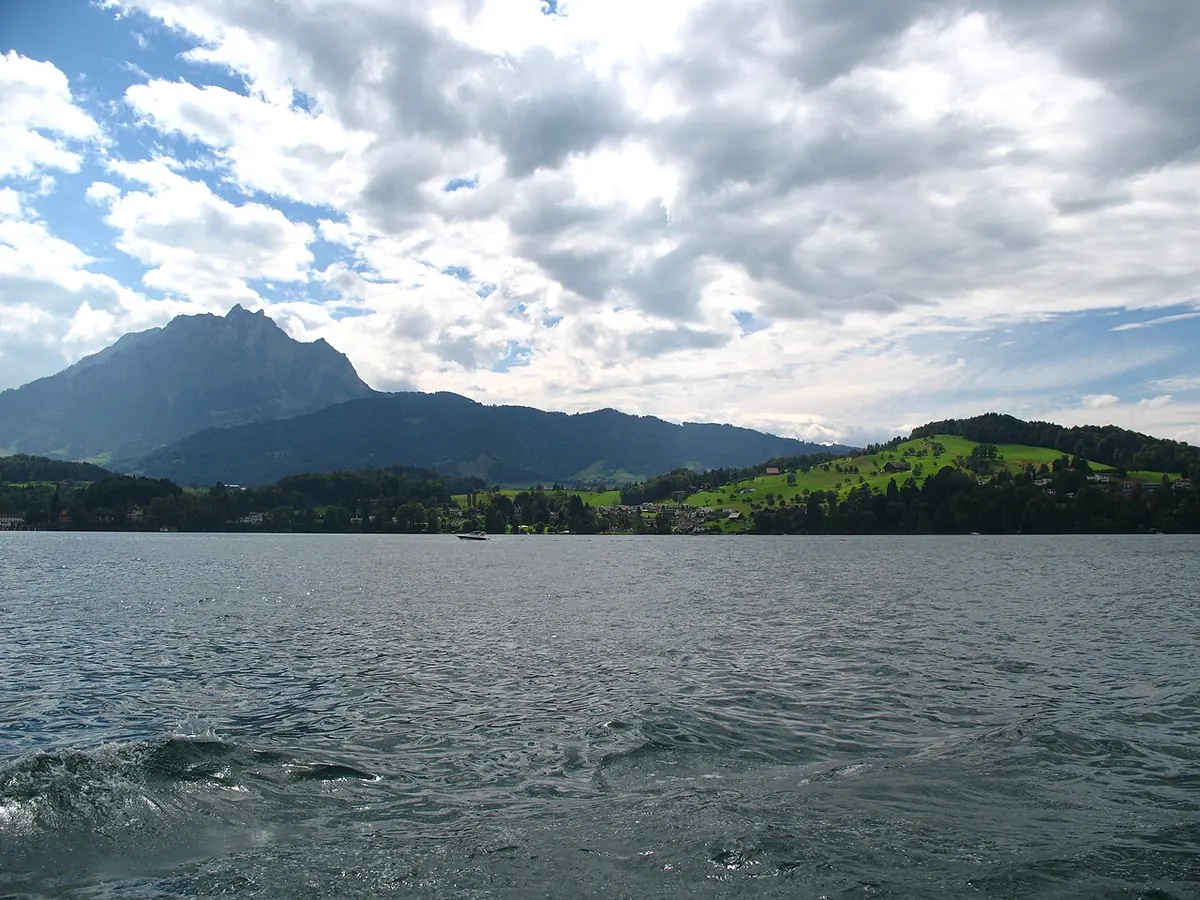
On a pilgrimage to the Marian shrine of Einsiedeln she felt the call to religious life.
With Fr. Theodosius Florentini
On October 5, 1844, she met the Capuchin Theodosius Florentini, a priest with enormous plans for schools, hospitals and social work. She joined his new sisterhood, and on October 27, 1845, at the convent of Wurmsbach, she made her vows with four companions and took the name Maria Theresia.
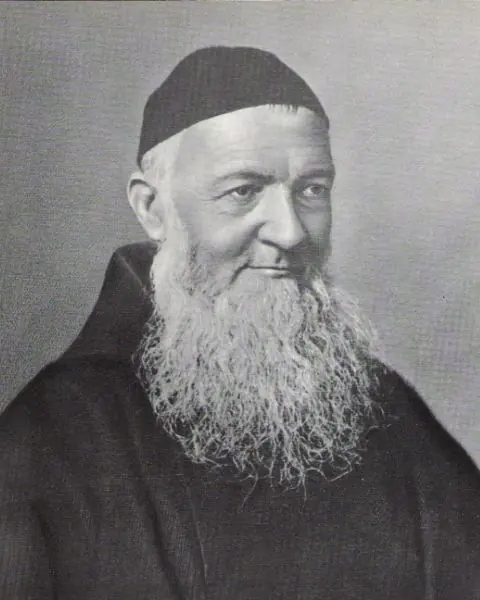
At first she taught. According to the Neue Deutsche Biographie, she served at Galgenen, then as superior and teacher in Baar and Oberägeri, passing the teaching examination in Zug in 1849, and ran the poorhouse at Näfels in 1850–1851. In 1852 Florentini put her in charge of his hospital in Chur, and in 1853 she moved it into the new Kreuzspital, built under her supervision.

Superior general at Ingenbohl
In 1856 Florentini's teaching sisters, based at Menzingen, and his sisters of mercy became separate institutes. Maria Theresia stayed with Florentini and the works of mercy. In 1857 she was elected the first superior general of the Sisters of Mercy of the Holy Cross, with the motherhouse at Ingenbohl above Brunnen. She gave up the teaching she loved; John Paul II saw in that choice her conviction that obedience is "the quickest way to reach the summit of perfection," words of St. Teresa of Avila.
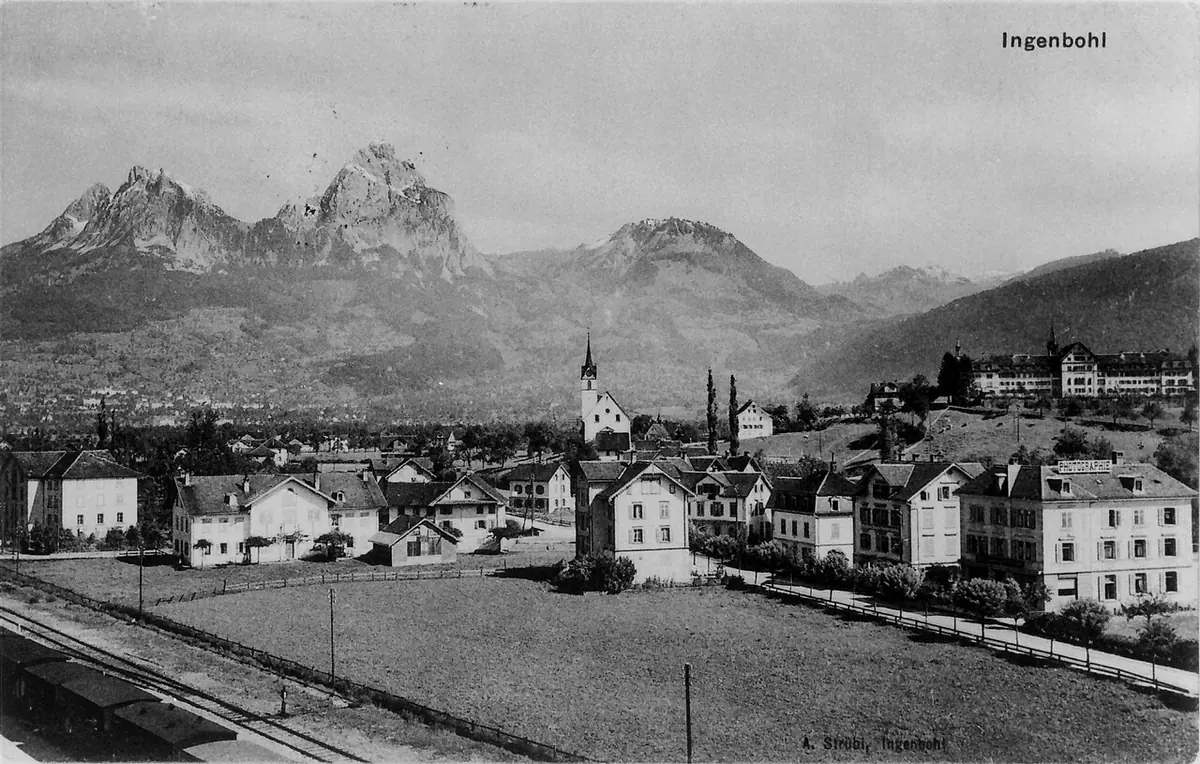
Florentini died suddenly in 1865, leaving large debts from factory ventures that had failed. Mother Maria Theresia paid them off within about four years.
Mother of the poor
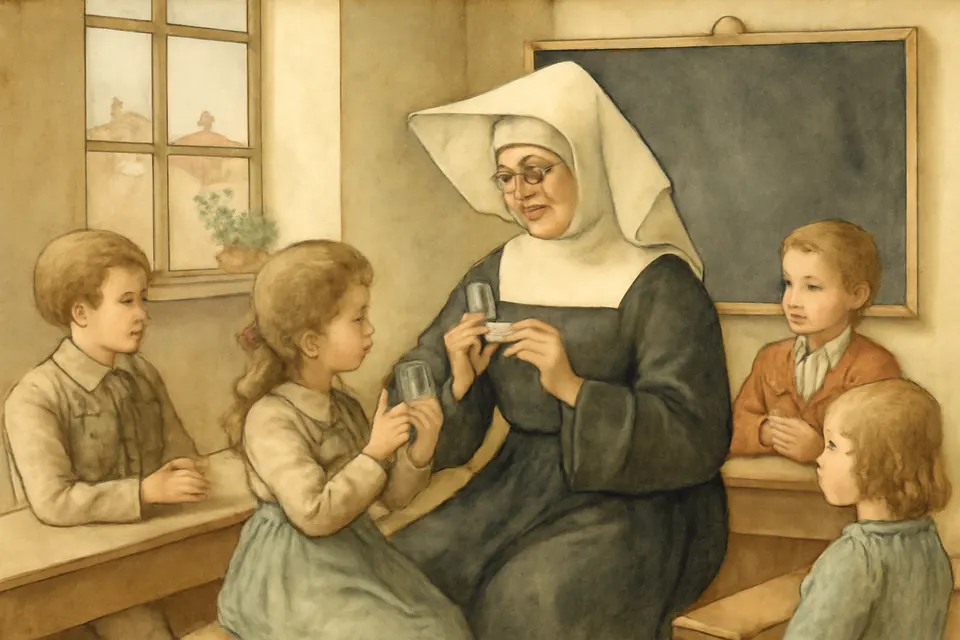
Under her the congregation grew from 72 sisters to about 1,658. They staffed hospitals, outpatient clinics, orphanages, poorhouses, girls' schools and schools for the deaf across Switzerland, southern Germany, Austria, Bohemia, Moravia, Hungary and the Balkans, and sent nurses to military hospitals in time of war. She had a special love for deaf children. Her rule of life fit on a line: "die Hand bei der Arbeit und das Herz bei Gott," the hand at work and the heart with God. She spent long hours before the Blessed Sacrament.
She died at Ingenbohl on June 16, 1888, and was buried in the motherhouse church. Her tomb has drawn pilgrims ever since, and the Dicastery records that people continue to report graces received through her prayers. These are reported favors; the sources we consulted do not describe the miracle approved for her beatification.
Her beatification
Pope John Paul II beatified her in St. Peter's Basilica on October 29, 1995, together with two other Swiss women, María Bernarda Bütler and Marguerite Bays. The Basilica was full of Swiss pilgrims. He called her "mother of the poor" and said she "fought the good fight."

Why Blessed Maria Theresia is a friend of nurses and teachers
No decree names her a patron, but nurses, teachers, carers of the deaf and everyone who works among the poor have a friend in her. She did all of it herself before she sent thousands of sisters to do it. See the patron saints of nurses and the poor.
Symbols of Blessed Maria Theresia Scherer in art
Her portraits follow her photographs: a broad, firm, kindly face in small round spectacles, framed by the large white wimple and black veil of the Ingenbohl sisters, with a cross at her breast. Some pictures add an Alpine lake and mountains for Ingenbohl, or children, the sick and the poor around her.
Praying with Blessed Maria Theresia
We have found no traditional English prayer to her; her sisters keep the prayer of her cause in German. Her own motto is a prayer in itself. Let us ask Blessed Maria Theresia to teach us to keep the hand at work and the heart with God, and to pray for nurses, teachers and all who serve the poor.
Frequently asked questions
Who was Blessed Maria Theresia Scherer?
A farmer's daughter from Meggen near Lucerne who joined the Capuchin Theodosius Florentini's new sisterhood in 1845, ran the Kreuzspital hospital in Chur, and from 1857 until her death was the first superior general of the Sisters of Mercy of the Holy Cross at Ingenbohl.
What is Maria Theresia Scherer known for?
Building one of Europe's largest nursing and teaching congregations. When she took office it had 72 sisters; when she died it had about 1,658 in hundreds of houses, with hospitals, orphanages, schools and schools for the deaf from Switzerland to Hungary.
Where is Blessed Maria Theresia Scherer buried?
In the church of the motherhouse at Ingenbohl, near Brunnen on Lake Lucerne, where pilgrims still come to her tomb.
When is her feast day?
June 16, the day she died at Ingenbohl in 1888.
Keep exploring
- Patron saint pages
- NursesTeachers
- Feast-day calendar
- Saints remembered in JuneSaint of the dayWhat saint is my birthday?
- Same name
- Other saints named Mary →
- Relics
- Where the relics are kept (map)
- More
- Saints A to ZPatron saints A to ZExplore every section
Sources
- Dicastery for the Causes of Saints: Maria Theresia Scherer (Italian). Her early life, her vows at Wurmsbach on October 27, 1845, and her tomb at Ingenbohl
- Pope John Paul II, homily for the beatification of Maria Theresia Scherer, María Bernarda Bütler and Marguerite Bays, October 29, 1995 (Italian and German). Her sayings and her care for the deaf
- Catherine Bosshart-Pfluger, "Scherer, Maria Theresia," Neue Deutsche Biographie 22 (2005), p. 692 (German). Her teaching posts, the Chur hospital, the debts after Florentini's death and the size of the congregation
- Santi e Beati: Beata Maria Teresa Scherer (Italian)