St. Nicetas of Remesiana, Missionary Bishop and Hymn Writer
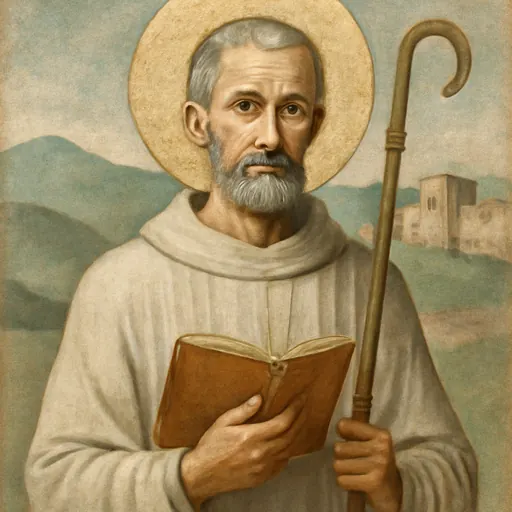
St. Nicetas of Remesiana (about 335 to 414) was bishop of Remesiana, now Bela Palanka in Serbia, and a missionary to the tribes of the Balkan mountains. A friend of St. Paulinus of Nola, he wrote instructions for people preparing for baptism, and many scholars hold that he wrote the great hymn Te Deum. We keep his feast on June 22.
Who was St. Nicetas of Remesiana?
St. Nicetas of Remesiana was a missionary bishop of the Roman Balkans, born about 335 and died about 414. His see, Remesiana, was a town on the great military road from Belgrade to Constantinople; the Catholic Encyclopedia identifies it with today's Bela Palanka, in southeastern Serbia. From there he carried the Gospel into the mountains, to peoples the empire had never tamed.
He was also a teacher and a poet. He wrote six books of instruction for adults preparing for baptism, little treatises on prayer and psalm singing, and hymns. Many scholars hold that one of those hymns is the Te Deum, the Church's great song of praise. We keep his feast on June 22.
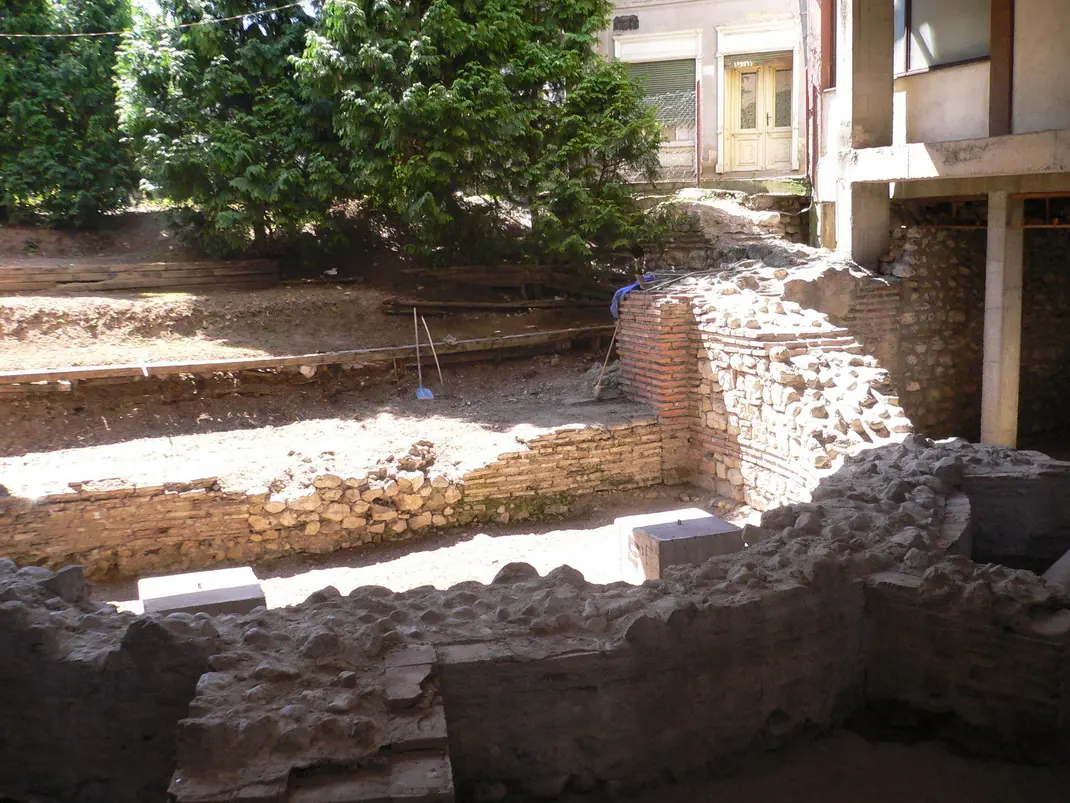
The life of St. Nicetas
A bishop among the mountain peoples
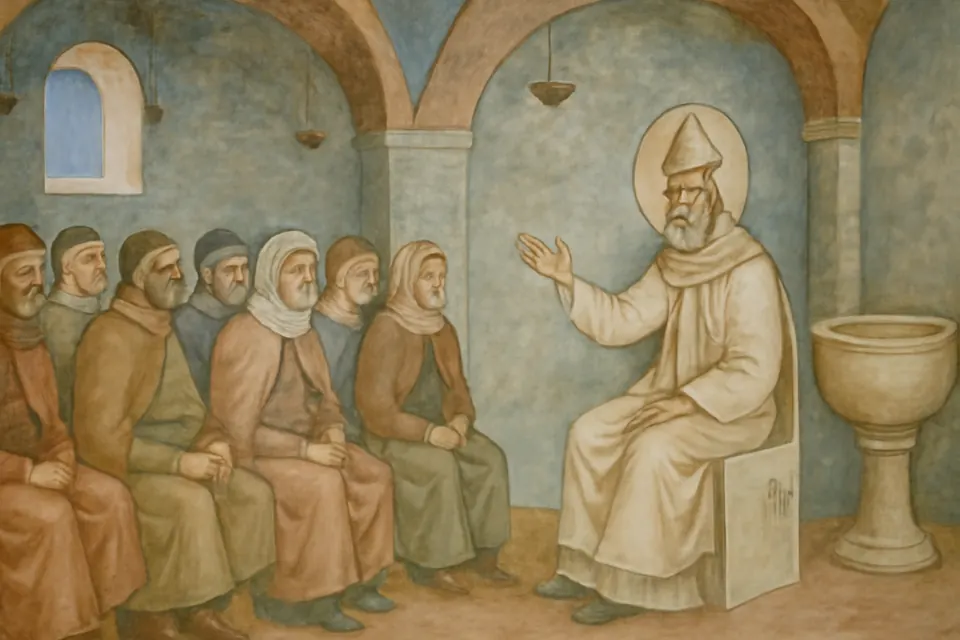
Almost everything we know about Nicetas comes from his friend St. Paulinus of Nola, from a short notice by Gennadius of Marseilles, and from his own surviving writings. Paulinus pictures him working in "the cold regions of the North," where, in the Catholic Encyclopedia's summary, "he has melted the icy hearts of men by the warmth of the Divine doctrine."
Paulinus names the Bessi, a Thracian mountain people, among his converts. A. E. Burn, who edited Nicetas's works in 1905, prints the Latin lines: the Bessi, "harder than their own snows," have become sheep, gathered under his leadership "into the hall of peace." St. Jerome praised him too, saying he spread Christian life among the barbarians by his sweet songs of the Cross.
Pilgrim to Nola
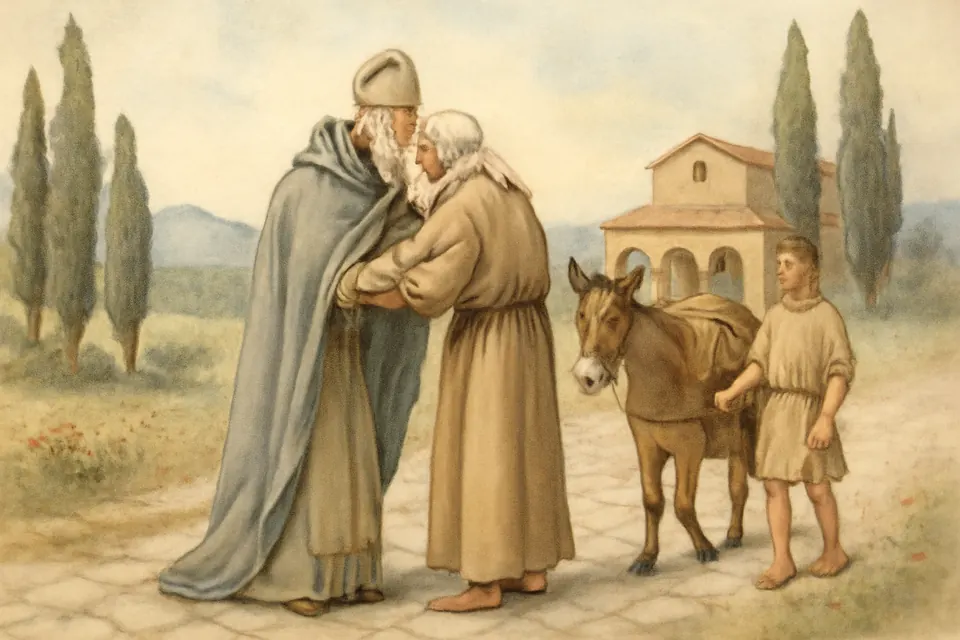
Nicetas traveled to Italy at least twice, in 398 and 402, to pray at the tomb of St. Felix of Nola, where Paulinus lived. Burn dates the visits from a line of Paulinus's poetry: "You have come at last, given back to me in the fourth year." Paulinus wrote a long poem for his friend's journey home, Ad Nicetam redeuntem in Daciam, wishing him a safe road by land and sea.
Burn notes that Paulinus, a refined scholar who corresponded with Ambrose and Augustine, welcomed this bishop from distant Dacia as an equal. What bound them was more than learning. It was the communion of saints, the bond Nicetas himself had written about.
His writings and the Te Deum
For centuries Nicetas's works traveled under other men's names, credited to Nicetas of Aquileia, Nicetius of Trier, St. Ambrose and even Origen. The Benedictine scholar Dom Germain Morin and Burn restored them to him around 1900.
His Explanation of the Creed for catechumens contains the earliest dated use of the words "communion of saints." Burn prints the Latin, and in our translation it reads: "What is the Church but the gathering of all the saints? ... So in this one Church you believe that you will receive the communion of saints." Patriarchs, prophets, apostles, martyrs and the just of every age, he taught, "are one Church," and even the angels are joined to it.
Then there is the Te Deum. The legend that St. Ambrose and St. Augustine composed it in turns at Augustine's baptism is not historical. The Catholic Encyclopedia reports that ten manuscripts, the earliest of the 10th century and mostly Irish, name Nicetas as the author, and that Morin, Burn and others found his style and his treatises on psalm singing a close match. Some scholars disagreed. His authorship is likely, not certain.
Miracles and traditions
No miracles are recorded in the early sources. What they hand down is his fruit as a missionary, which is traditional testimony from friends who knew him: whole peoples brought to sing of Christ. The Orthodox Church honors him with the title hieromartyr, though no early account of a martyr's death survives.
Symbols of St. Nicetas in art
Nicetas has no fixed attribute in older Western art; images of him are rare before modern times. Look for:
- Bishop's vestments, in the Eastern style in Orthodox icons, with an omophorion.
- A book or scroll, for his instructions to catechumens; sometimes the scroll bears the opening of the Te Deum.
- A shepherd's staff, for the missionary to the mountain peoples.
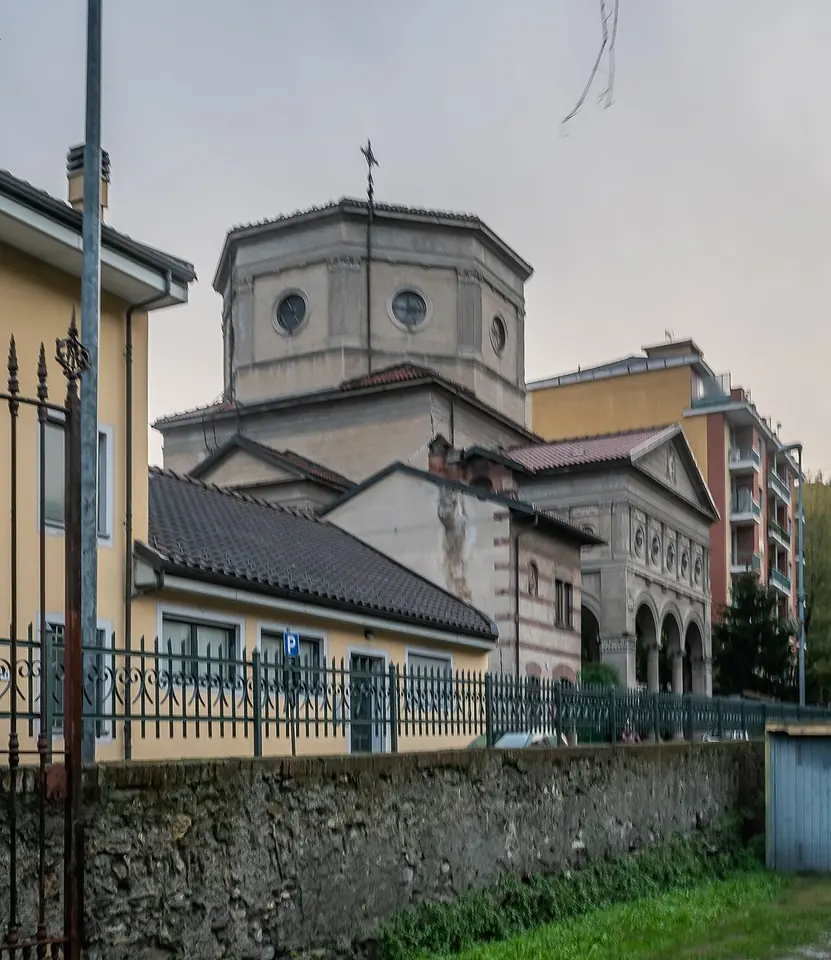
Churches in Serbia, Romania and the Romanian communities abroad are dedicated to him, among them a church in Susa in Piedmont.
Feast day and devotion
We keep his feast on June 22, the date of the Roman Martyrology, which the Orthodox Church in America shares; the Romanian Orthodox Church honors him on June 24. In 2000, writing to the Greek-Catholic Church of Romania, Pope St. John Paul II named "Nicetas of Remesiana" with the Apostle Andrew, John Cassian and Dionysius Exiguus as an emblem of the faith's ancient roots among the Romanian people. See more saints of June on our feast days page.
Prayer of St. Nicetas: the Te Deum
The best prayer for his feast is the hymn that may be his own. The Catholic Encyclopedia gives the opening of a Catholic English translation:
We praise thee, God: we glorify thee, Lord.
The Orthodox Church in America sings this troparion on his day:
By sharing in the ways of the Apostles, / you became a successor to their throne. / Through the practice of virtue, you found the way to divine contemplation, O inspired one of God; / by teaching the word of truth without error, you defended the Faith, / even to the shedding of your blood. / Hieromartyr Niketas, entreat Christ God to save our souls.
St. Nicetas, teacher of catechumens and singer of God's praise, pray for all who are preparing for baptism, and for missionaries in hard places.
Frequently asked questions
Who was St. Nicetas of Remesiana?
A bishop in the Roman province of Dacia, in today's Serbia, around the year 400. He preached to the mountain peoples of the Balkans, wrote for catechumens and wrote hymns. His friend St. Paulinus of Nola praised him in two long poems.
Did St. Nicetas write the Te Deum?
Possibly. Ten manuscripts, the oldest from the 10th century and mostly Irish, name a Nicetas as author, and in 1894 Dom Germain Morin argued that he was Nicetas of Remesiana. The Catholic Encyclopedia records that many scholars agreed and some did not. It remains likely but unproven.
When is the feast of St. Nicetas of Remesiana?
June 22 in the Roman Martyrology and in the Orthodox Church in America. The Romanian Orthodox Church keeps June 24.
Did St. Nicetas use the words "communion of saints"?
Yes. His explanation of the Creed for catechumens contains the phrase, and it is the oldest dated use of it that we know.
Keep exploring
Sources
- Catholic Encyclopedia (1911): Nicetas. His see at Romatiana (Bela Palanka), his works, the visit to Nola in 398, Jerome's praise
- Catholic Encyclopedia (1912): The Te Deum. The ten manuscripts naming Nicetas, Morin's argument of 1894, and the scholars for and against
- A. E. Burn, Niceta of Remesiana: His Life and Works (Cambridge, 1905). The visits of 398 and 402; Paulinus's verses on the Bessi; the Latin text of the Explanation of the Creed
- Catholic Encyclopedia (1908): The Communion of Saints. The clause in the Explanatio Symboli of Nicetas, about 400
- John Paul II, Apostolic Letter for the Third Centenary of the Union of the Greek-Catholic Church of Romania (2000)
- Orthodox Church in America: Hieromartyr Niketas of Remesiana, June 22