St. Jacques Berthieu, Jesuit Missionary and Martyr of Madagascar
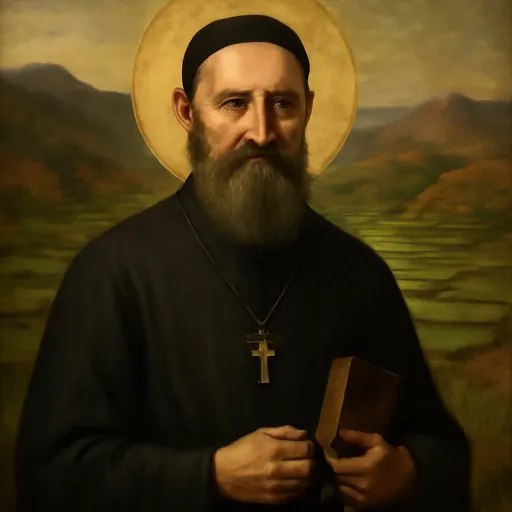
St. Jacques Berthieu (1838–1896) was a French Jesuit priest who spent twenty years as a missionary in Madagascar and was shot by Menalamba rebels at Ambiatibe on June 8, 1896, after refusing to give up his faith in exchange for his life. He was the first martyr of Madagascar to be raised to the altars, beatified in 1965 and canonized in 2012. His feast is June 8, and the Catholics of Madagascar honor him as their own saint and a model for missionaries.
Who was St. Jacques Berthieu?
St. Jacques Berthieu was a French Jesuit missionary who gave twenty years to the people of Madagascar and died for Christ there on June 8, 1896. Rebels who hated both the French colonizers and the Christian faith seized him, mocked him, and offered to spare his life and make him their counselor if he would give up his religion. He answered, "I cannot consent to this; I prefer to die." They shot him at the village of Ambiatibe, north of the capital.
He was the first martyr of Madagascar to be beatified. Pope Benedict XVI canonized him on World Mission Sunday in 2012 and prayed that "his intercession bring forth many fruits for Madagascar and the African Continent." We keep his feast on June 8.
The life of St. Jacques Berthieu
A parish priest of the Auvergne
Jacques was born on November 27, 1838, at Montlogis in the parish of Polminhac, in the Cantal hills of central France, where his parents farmed. He studied at the seminary of Saint-Flour and was ordained a priest of that diocese in 1864. For nine years he served as curate at Roannes-Saint-Mary. He wanted to go farther, to people who had never heard the Gospel, and to ground his life in the Spiritual Exercises of St. Ignatius. In 1873 he entered the Jesuit novitiate at Pau.

Missionary in Madagascar
He sailed from Marseille in 1875 for Réunion and the island of Sainte-Marie off the coast of Madagascar, where he learned Malagasy. When French law closed French territories to the Jesuits in 1881, he moved to the great island itself. He worked in the south of the highlands, served the coasts during the first Franco-Malagasy war, ran the mission of Ambositra from 1886, and later the mission of Anjozorofady north of the capital.
He built churches and schools, dug irrigation, planted gardens and taught farming. He described his calling this way: "This is what it means to be a missionary: to make oneself all things to all people... and all this in order to gain souls, with a large and generous heart." A young teacher who traveled with him noticed that even on horseback he kept his catechism open. Asked why, he answered that "the catechism is a book one can never understand deeply enough."
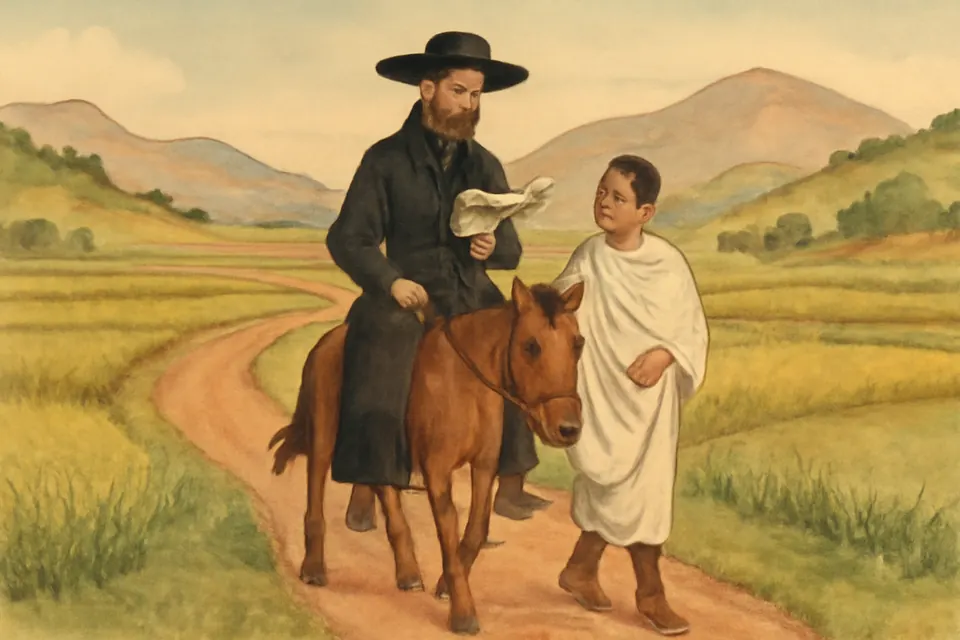
His people called him tia vavaka, "the one who loves to pray." Catechists said they nearly always found him on his knees, in his room or before the Blessed Sacrament. He visited two women with leprosy south of Anjozorofady, brought them food and clothing, taught them the faith and baptized them. "For me," he said, "there is no stricter obligation than to visit the dying." He also preached the unity of Christian marriage against the polygamy of powerful men, which made him enemies.
The martyrdom of St. Jacques Berthieu
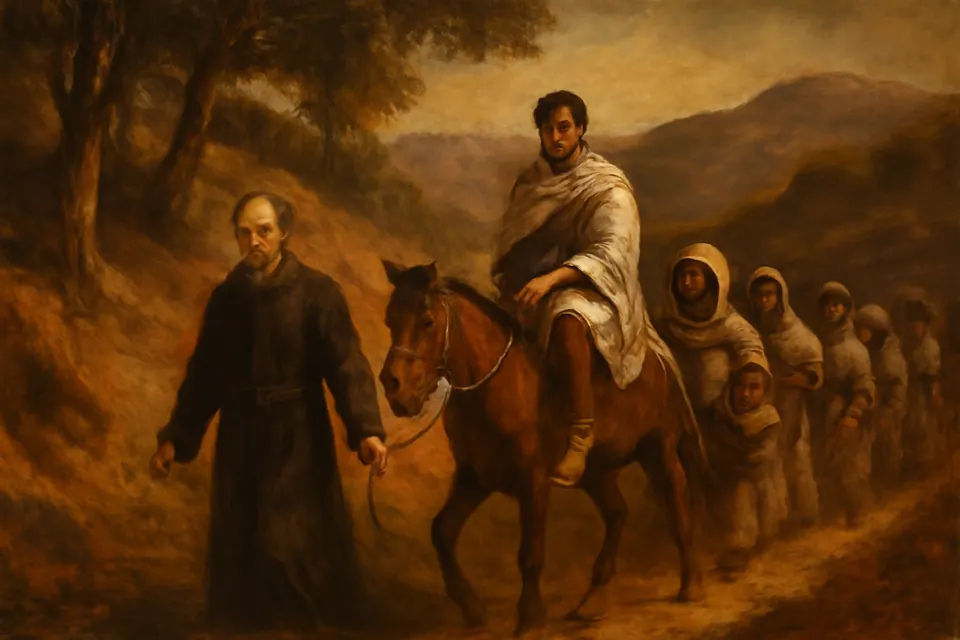
In 1895 the Menalamba ("red shawl") rising broke out against the French and against the Christians. Berthieu tried to keep his flock under the protection of French troops, but he lost it after he rebuked a French colonel for his conduct with local women. He set out for Antananarivo with a convoy of Christians. On the way he lifted a young man with an injured foot onto his own horse and walked, leading it by the bridle.
On June 8, 1896, the rebels found him at Ambohibemasoandro, hiding in the house of a Protestant friend. They tore off his cassock, took his crucifix and asked whether he would keep on praying. "I have to pray until I die," he said. They struck him with a machete and marched him for hours, beating and mocking him. When a man along the road came near, the wounded priest asked if he was baptized, gave him a cross and two medals, and told him to ask for baptism when he met a priest.
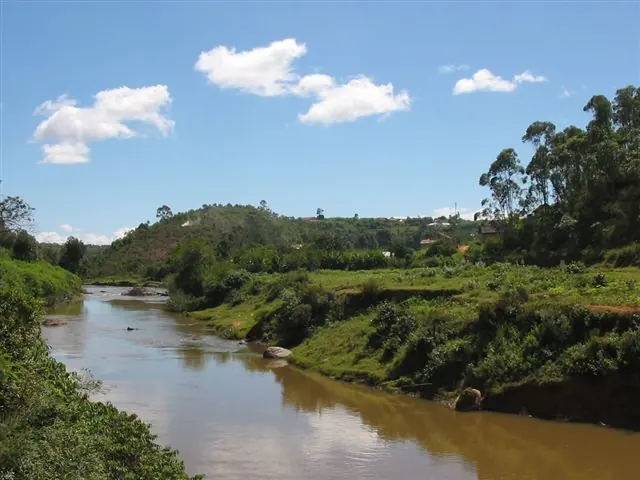
That evening at Ambiatibe a squad was ordered to shoot him. He knelt, made the sign of the cross and refused the chief's offer of life. Several shots missed before the last one killed him. His body was thrown into the Mananara River and never recovered. The faithful later remembered a line from his preaching on the resurrection: "Even if you are eaten by a crocodile, you will rise again."
Beatification and canonization
The Church's case for Jacques Berthieu rested on martyrdom, so no approved miracle was needed for his beatification; the Church waives that step for martyrs. Pope Paul VI declared him blessed on October 17, 1965, during the Second Vatican Council, as a martyr of faith and chastity. Pope Benedict XVI canonized him on October 21, 2012, with six others, including St. Kateri Tekakwitha, St. Marianne Cope and St. Pedro Calungsod. In his homily the Pope said the Malagasy thought of him as "a priest come down from heaven" and called him "father and mother."
St. Jacques Berthieu, saint of Madagascar and model for missionaries
He is the first martyr of Madagascar to be beatified and canonized, and Catholics there look to him as their own saint. Missionaries take him as a model because he learned the language, stayed with his people in danger and gave his life for them. See more causes on our patron saints page.
Symbols of St. Jacques Berthieu in art
Because he lived in the age of photography, images of him follow his photographs: a bearded priest in a black Jesuit cassock and skullcap. Painters add the crucifix the rebels tore from him, the rosary he prayed on the way to his death, and the catechism he never put down. Some images show the palm of martyrdom.
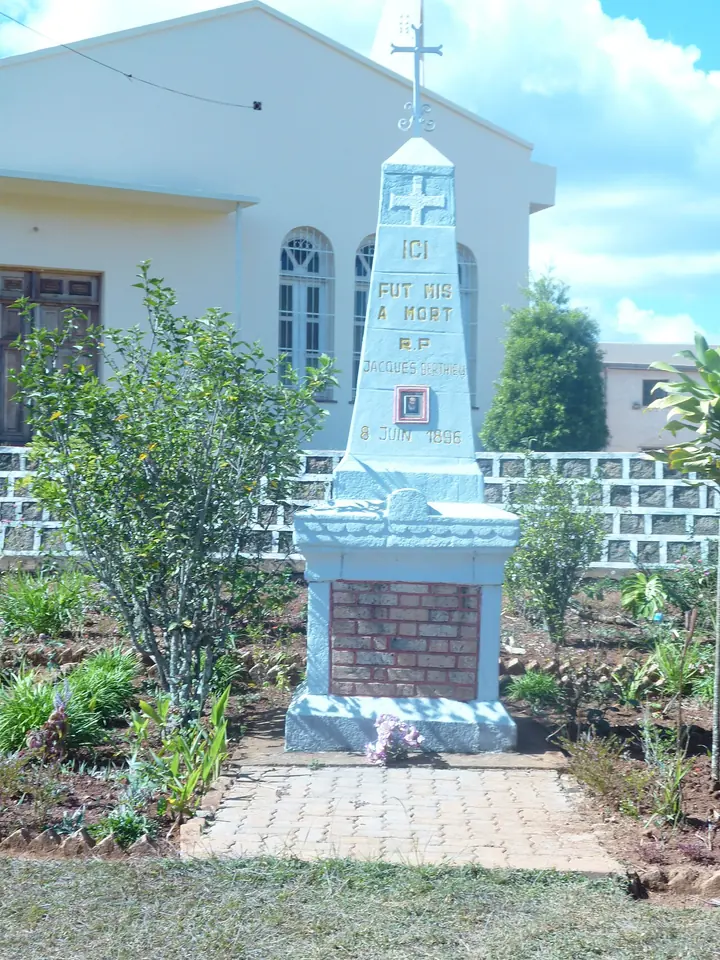
At Ambiatibe a white monument with a cross marks the place of his death. It is the heart of a shrine that stretches 12 kilometers along the road of his last day, from Ambohibemasoandro to the river, with stations of a Way of the Cross.
Prayer to St. Jacques Berthieu
No traditional prayer to St. Jacques Berthieu is found in the standard Catholic prayer books. Let us take up the words Pope Benedict XVI spoke at his canonization and ask the saint to be "an encouragement and a model for priests," and an example for "the many Christians of today persecuted for their faith." St. Jacques Berthieu, who prayed the rosary on the road to your death, pray for Madagascar and for all missionaries. Find other saints of June on our feast days page.
Frequently asked questions
Who was St. Jacques Berthieu?
A farmer's son from the Auvergne in France who became a parish priest, then a Jesuit, and served as a missionary in Madagascar from 1875 until his martyrdom in 1896. He was known for his prayer, his catechism teaching and his care for the sick and the poor.
How did St. Jacques Berthieu die?
During the Menalamba uprising, rebels seized him at Ambohibemasoandro on June 8, 1896, beat and mocked him on a long march, and shot him that evening at Ambiatibe after he refused their offer to spare him if he gave up his religion. His body was thrown into the Mananara River and never found.
When was Jacques Berthieu canonized?
Pope Paul VI beatified him on October 17, 1965, and Pope Benedict XVI canonized him on October 21, 2012, World Mission Sunday, together with Kateri Tekakwitha, Marianne Cope, Pedro Calungsod and three others.
Are there relics of St. Jacques Berthieu?
No body relics are known, because his body was thrown into the river after his death. Pilgrims honor him at the shrine at Ambiatibe, near the place where he was killed.
Keep exploring
Sources
- Society of Jesus: Saint Jacques Berthieu (letter of Fr. General Adolfo Nicolás, 2012). His birth, ordination and Jesuit vocation, his arrest, the march, his last words, the witnesses' testimony and the river
- Benedict XVI, Homily at the canonization of October 21, 2012 (vatican.va). "I prefer to die rather than renounce my faith" and the Malagasy name "father and mother"
- Society of Jesus: Pilgrimage and Way of the Cross in the footsteps of St. Jacques Berthieu (2022). The shrine at Ambiatibe and the 12-kilometer Way of the Cross