Blessed Basil Hopko, Greek Catholic Bishop and Martyr of Slovakia
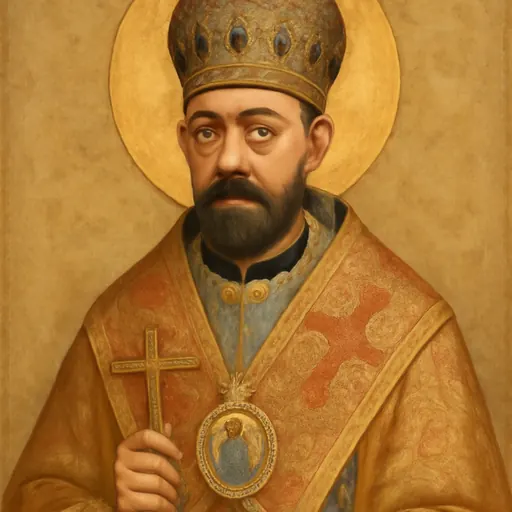
Blessed Basil (Vasil') Hopko (1904–1976) was the Greek Catholic auxiliary bishop of Prešov in Slovakia. When the Communist regime abolished his Church in 1950, he was arrested, tortured, slowly poisoned with arsenic and imprisoned until 1964, and never renounced his union with Rome. John Paul II beatified him as a martyr in 2003. His feast is July 23.
Who was Blessed Basil Hopko?
Blessed Basil Hopko, known in Slovak as Vasil' Hopko, was a bishop of the Greek Catholic Church in eastern Slovakia, the Church of the Byzantine rite in full communion with Rome. When the Communist government outlawed that Church in 1950, he was arrested, tortured and slowly poisoned, and he spent fourteen years in prison. He never gave up his faith or his loyalty to the Pope. He died in Prešov on July 23, 1976, and Pope John Paul II beatified him as a martyr in 2003.
The life of Blessed Basil Hopko
An orphan raised by a priest
Vasil' Hopko was born on April 21, 1904, in Hrabské, a village in eastern Slovakia. His father died when he was small, and his mother emigrated to the United States to earn a living. The boy was raised by his grandfather and then by his uncle, a Greek Catholic priest.
He entered the Greek Catholic seminary in Prešov in 1923 and was ordained a priest on February 3, 1929. His first work was in Prague, where he served the scattered Greek Catholic faithful of the capital. He cared for the young, the elderly, the unemployed and orphans, founded a Greek Catholic students' movement and a Greek Catholic youth union, and helped build up the city's parish, becoming its pastor. There, after twenty-two years apart, he was reunited with his mother.
Professor, editor and bishop
In 1936 he came home to Prešov as spiritual father of the seminary. He became secretary of the bishop's curia in 1941 and a professor of moral and pastoral theology at the theological faculty in 1943, and he was the first editor of the magazine Blahovistnik. On May 11, 1947, he was ordained auxiliary bishop to assist Bishop Pavol Peter Gojdič, a man the Church has also beatified as a martyr.

The "Council of Prešov" and prison
In April 1950 the Communist authorities staged a so-called council in Prešov, held without any bishop, which declared the Greek Catholic Church dissolved and handed its churches to the Orthodox Church. Bishops Gojdič and Hopko were arrested. After months of interrogation, Bishop Hopko was sentenced on October 24, 1951, to fifteen years in prison. He was beaten and tortured, and he was given small doses of arsenic; the chronic poisoning was later confirmed by an analysis of his bones.
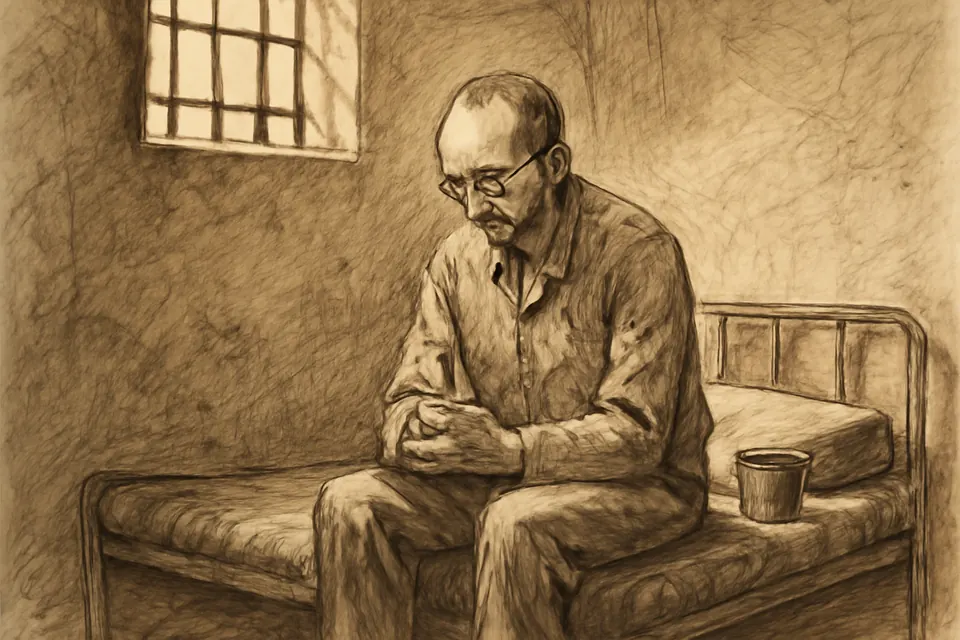
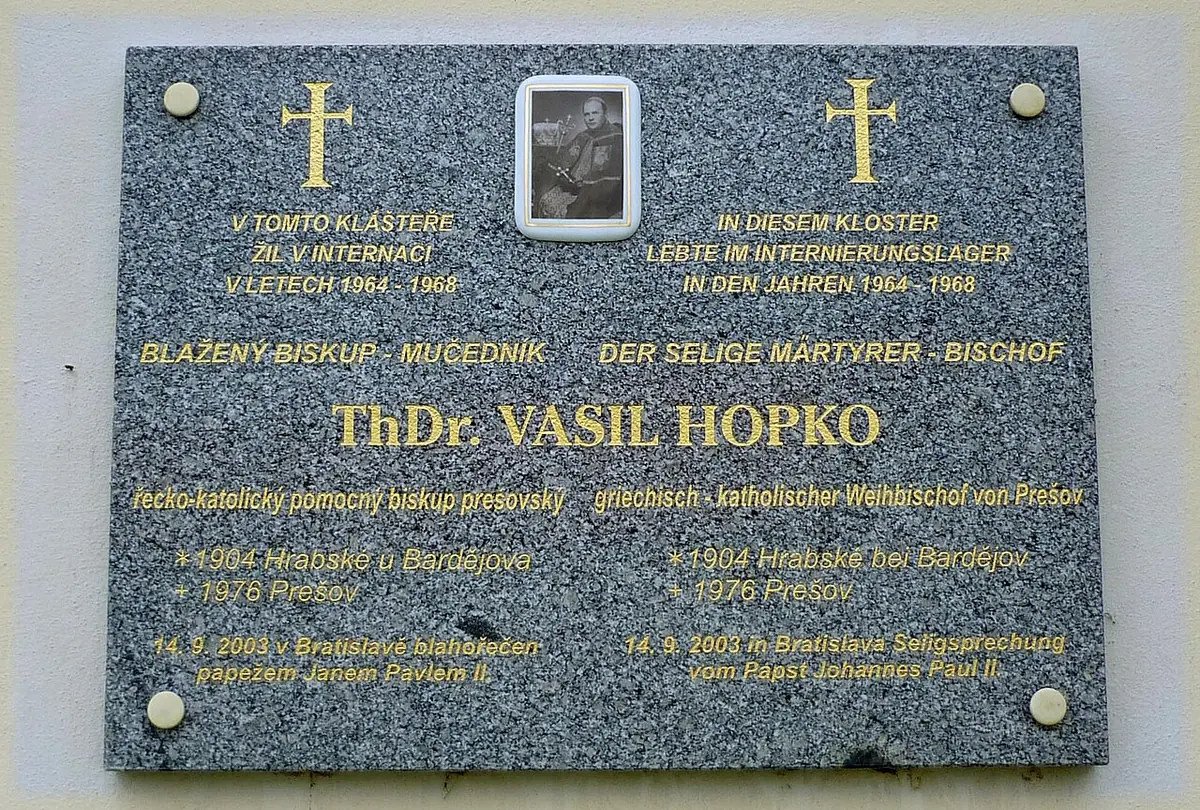
He was released on May 12, 1964, because of his health, but he was not free to go home. A plaque at the Cistercian monastery of Osek, in what is now the Czech Republic, records that he lived there in internment from 1964 to 1968.
The Church restored
During the Prague Spring, on June 13, 1968, the Greek Catholic Church was allowed to function again. Bishop Hopko came back to Prešov, and on December 20, 1968, Pope Paul VI confirmed him as auxiliary bishop for all the Greek Catholic faithful of Czechoslovakia. His body and nerves never recovered from the years of torture, yet he worked for his Church's revival, encouraging the faithful and ordaining new priests for parishes that had been without them for eighteen years. He died in Prešov on July 23, 1976. He had taken as his own the words of Bishop Gojdič: "For me, it is not important if I die in the Bishop's Palace or in prison; what matters is entering into Paradise."
Beatification as a martyr
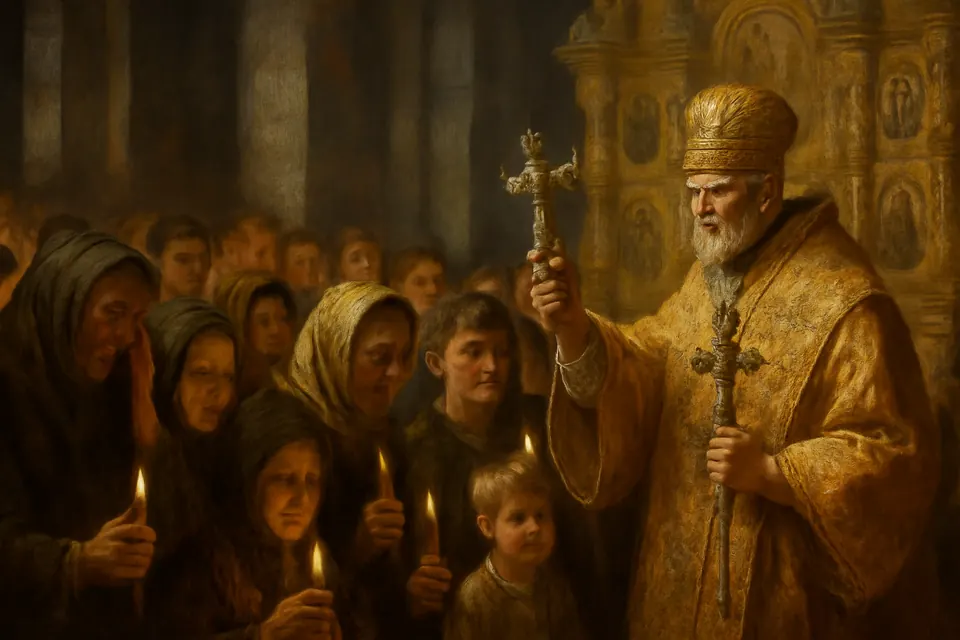
Pope John Paul II beatified Basil Hopko in Bratislava on September 14, 2003, together with Sister Zdenka Schelingová, a nurse who also died from her treatment in Communist prisons. "Bishop Vasil' never repudiated his attachment to the Catholic Church and to the Pope," the Pope said in his homily. As a martyr he needed no approved miracle. Favors asked through his prayers are reported graces until one is examined for a canonization.
Symbols of Blessed Basil Hopko in art
New icons of him follow the Byzantine pattern, and you can recognize him by a few features.
- Byzantine bishop's vestments and crown: the sakkos, omophorion and jeweled crown of an Eastern bishop.
- Glasses and a short beard: taken from his photographs.
- Pastoral staff and hand cross: the bishop's staff and blessing cross.
- Chains or prison bars: sometimes added for his years in Communist prisons.
He is often painted beside Blessed Pavol Peter Gojdič, the bishop he served and suffered with.
Feast day and prayer
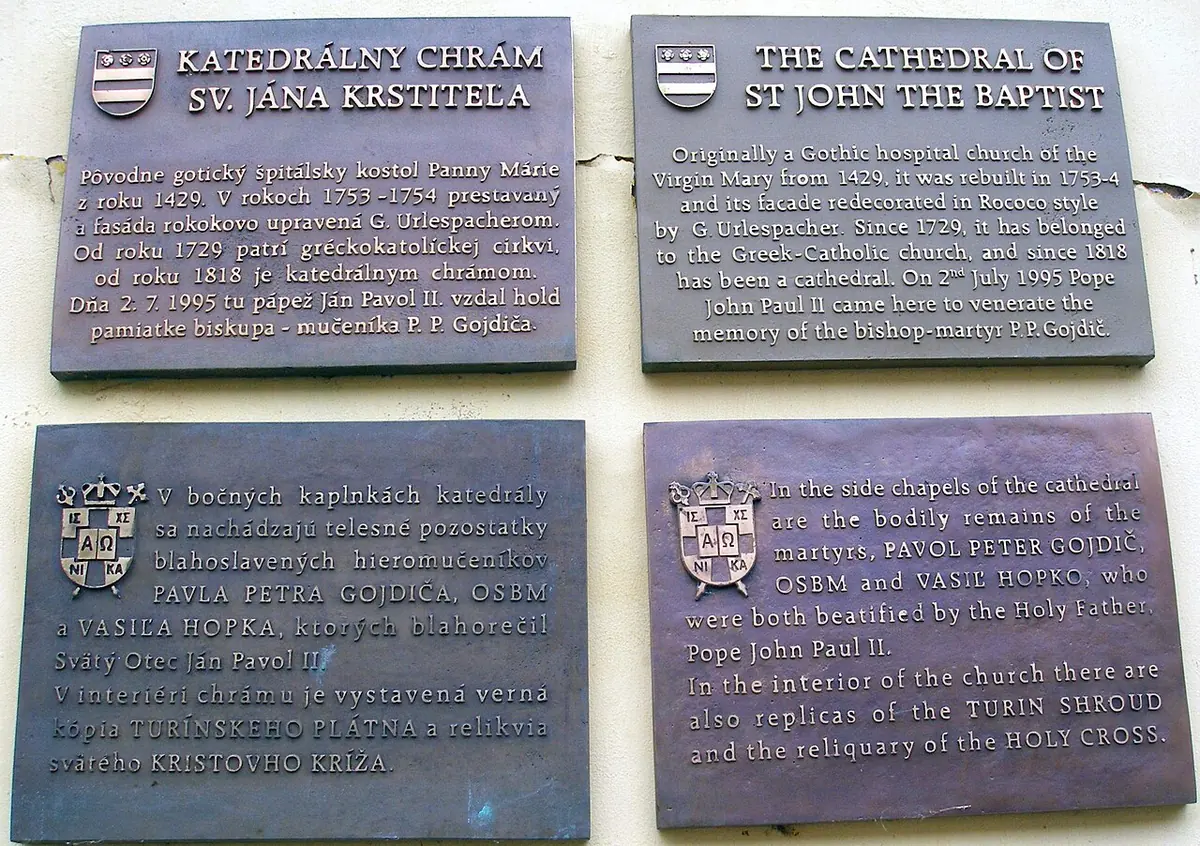
We keep his feast on July 23, the day he died. His remains rest in a side chapel of the Prešov cathedral, near those of Blessed Pavol Peter Gojdič. See more saints of July on our feast days page.
We have not found an approved English prayer to Blessed Basil to reprint here. Let us ask him to pray for the Greek Catholic Church of Slovakia, for the persecuted Eastern Catholic churches, and for prisoners who suffer for their faith.
Frequently asked questions
Who was Blessed Basil Hopko?
A Slovak priest of the Byzantine rite who became auxiliary bishop of the Greek Catholic Eparchy of Prešov in 1947. Arrested by the Communists in 1950, he spent fourteen years in prison and internment rather than leave the Catholic Church.
When is the feast of Blessed Basil Hopko?
July 23, the day he died in Prešov in 1976.
Why is Bishop Hopko called a martyr, if he died after his release?
The Church judged that his death came from the torture and arsenic poisoning he suffered in prison for the faith. A later analysis of his bones confirmed the poisoning, and John Paul II beatified him as a martyr in 2003.
Where is Blessed Basil Hopko buried?
In the Greek Catholic Cathedral of St. John the Baptist in Prešov, Slovakia, where the remains of his bishop, Blessed Pavol Peter Gojdič, also rest.
Keep exploring
Sources
- Vasil' Hopko (1904-1976), biography, Vatican.va. His childhood, ordination on February 3, 1929, the 1951 sentence, the arsenic poisoning confirmed in his bones, release on May 12, 1964, and the 1968 restoration
- John Paul II, Mass and Beatification of the Martyrs Basile Hopko and Zdenka Schelingová, Bratislava, September 14, 2003. The beatification and the quotation from the homily