St. Philothei of Athens
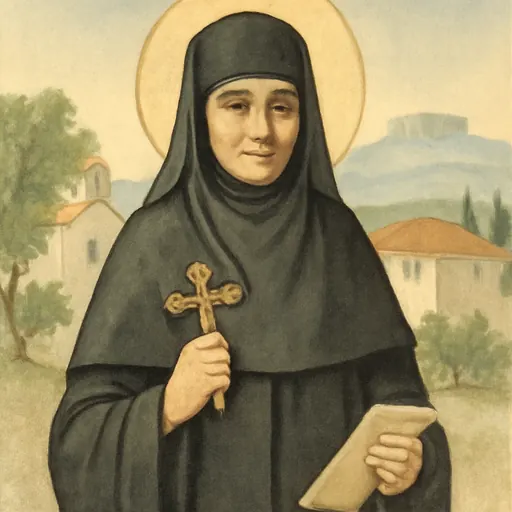
St. Philothei of Athens (1522–1589) was a wealthy Athenian who, widowed young, became a nun, founded convents and spent her fortune ransoming captive women under Ottoman rule. She died of a beating after men broke into her convent. Her feast is February 19, and the Orthodox Church honors her as a monastic martyr and a patron saint of Athens.
Who was St. Philothei of Athens?
St. Philothei of Athens was a Greek nun of the sixteenth century, born into one of the leading families of the city, who gave everything she had to the poor and to women held in slavery, and who died in 1589 of the beating she received when armed men broke into her convent. The Orthodox Church honors her as a hosiomartyr, a monastic martyr, and Athens counts her among its patron saints, together with St. Dionysius the Areopagite. We keep her feast on February 19, the day she died.
She lived when Athens was a small town of the Ottoman Empire, more than two centuries before Greek independence. Christians kept their faith, but they lived under heavy taxes and real dangers, and captives taken in war or for debt were bought and sold. Her life is the story of one woman who used her wealth and her name to shield the weakest people around her.
Revoula Benizelou
The Orthodox Church in America's life of the saint, which follows the Greek synaxarion, tells us she was born in Athens in 1522 to Angelos and Syriga Benizelos, a rich and devout couple. Syriga had long prayed to the Mother of God for a child, and when a daughter came they named her Revoula.
At twelve she was married. Her husband, the same account says, was a harsh man who beat her, and she bore it with patience and prayed for his conversion. After three years he died. The young widow did not marry again. She turned to fasting, vigil and prayer, and to the work she would do for the rest of her life.
A convent and an open door
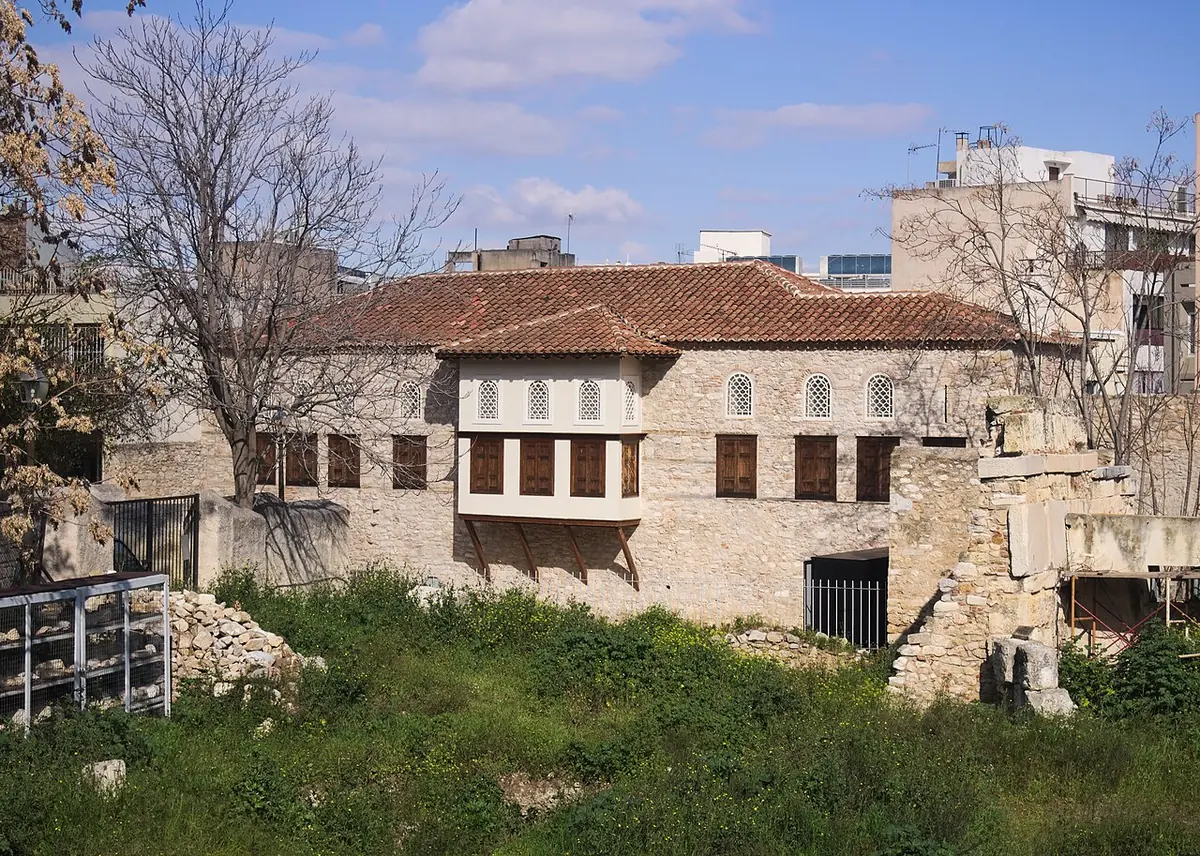
With her inheritance Revoula built a convent in Athens dedicated to the Apostle Andrew. When it was finished she was the first to receive the monastic tonsure there, taking the name Philothei, "friend of God."
That ransoming was the heart of her work. Many Athenian women had been enslaved, and Philothei spent her family money to buy their freedom. Once four women ran away from the households where they were held, because their masters were pressing them to give up their Christian faith, and they came to her convent for refuge. She took them in.
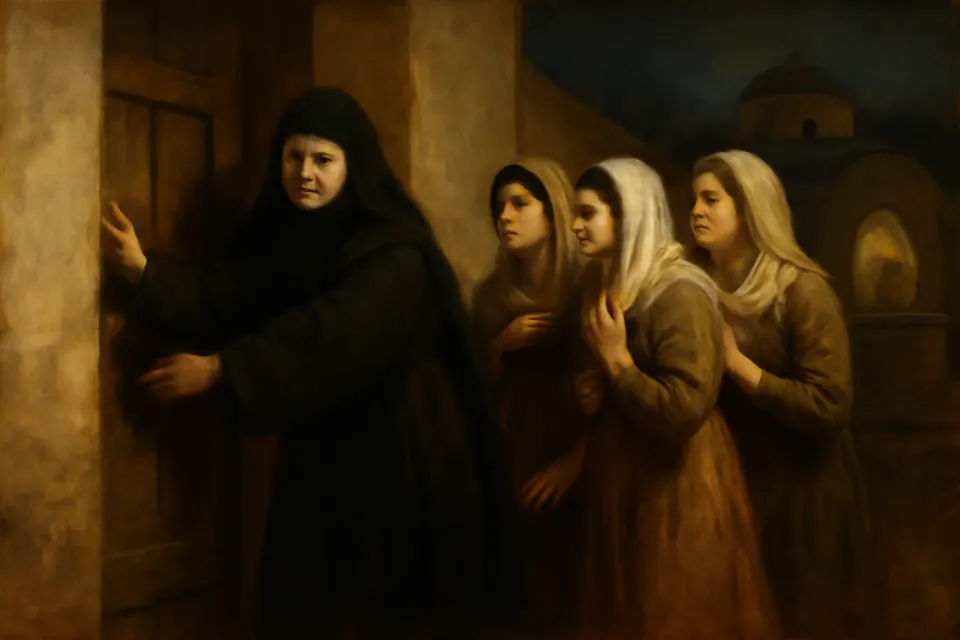
The men who had owned them broke into her cell, beat her and dragged her before the governor, who had her put in prison. In the morning a crowd gathered, and she was told she would be cut to pieces unless she denied Christ. Then, the OCA life says, a crowd of Christians came together, calmed the judges and won her release. She went back to her convent and her prayer. Later she founded a second house at Patisia, then a village outside the city.

The martyrdom of St. Philothei
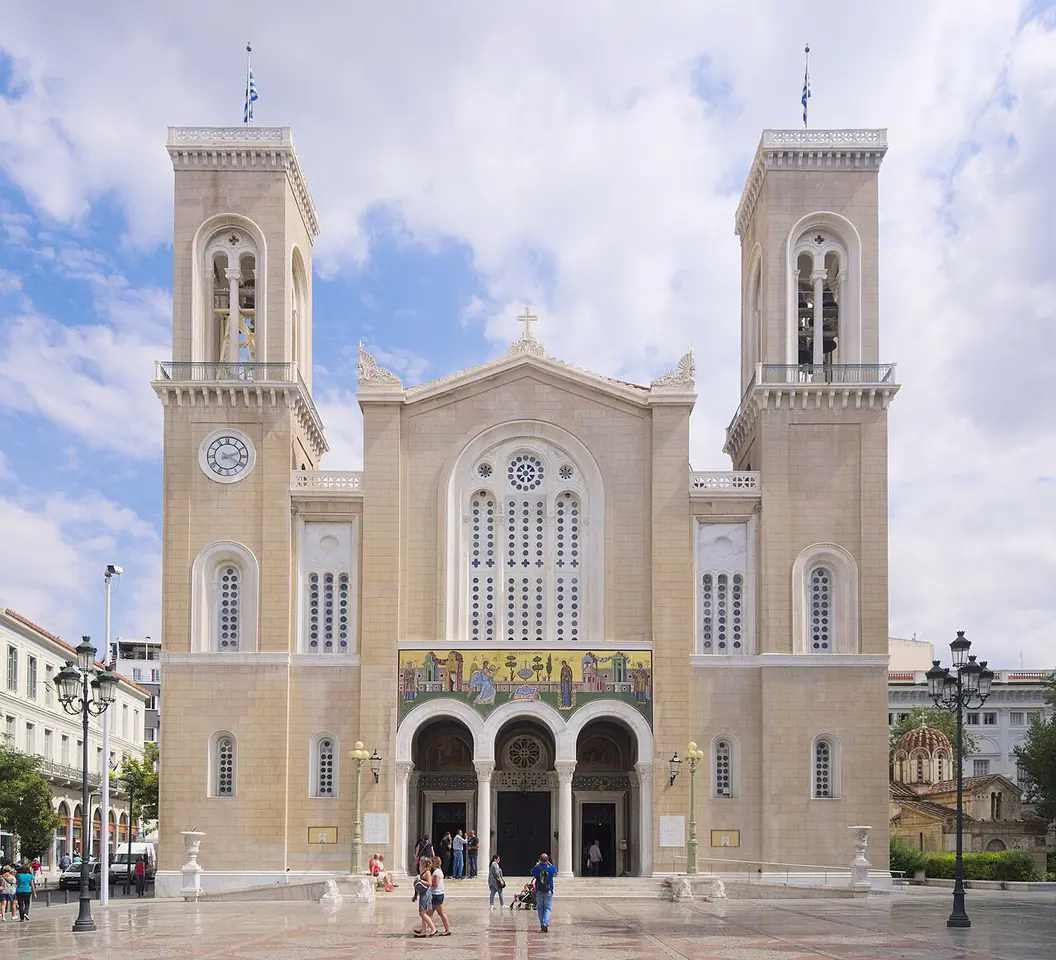
In October 1588, during the night vigil for the feast of St. Dionysius the Areopagite, the first bishop of Athens, armed men burst in on Philothei at Patisia, seized her and beat her until she lay on the ground half dead. Her sisters carried her, weeping, to Kalogreza. She lived for a few months more and died there on February 19, 1589, aged sixty-seven. Soon afterward her relics were brought to the cathedral church of Athens.
The miracles of St. Philothei
- Traditional: the OCA life says that after her first imprisonment God gave her "the gift of wonderworking." Greek tradition tells of healings at her intercession, both in her lifetime and at her relics. No particular miracle has been formally examined, and we honor these accounts as the tradition of the Church of Athens.
Symbols of St. Philothei in art
Philothei is painted in the Orthodox manner as a nun in a black monastic habit with veil and mantle, standing full length. She usually holds a hand cross, the sign of a martyr in Orthodox icons, and often an unrolled scroll with words of prayer or teaching. Some icons show her convent or the city of Athens behind her. In churches you will know her by the black habit together with the cross and the name "Agia Filothei" written in Greek beside her head. Her relics rest in a silver reliquary in the cathedral, and many Athenians see that shrine as her truest image.
Feast day and where she is honored
The Orthodox Church keeps her feast on February 19, and the Church of Athens celebrates it with special solemnity at the cathedral. See the feast day calendar. The Athens suburb of Filothei takes its name from her, and the Benizelos mansion in the Plaka recalls her family.
A hymn to St. Philothei
On her feast the Orthodox Church sings a troparion (Tone 5) in which the city of Athens honors her as a monastic martyr and reveres her relics; the OCA prints the full text on its website.
Let us ask St. Philothei to pray for women in danger, for victims of trafficking and abuse, and for all who risk their own safety to shelter others.
Frequently asked questions
Who was St. Philothei of Athens?
A sixteenth-century Greek nun, born Revoula Benizelou to a noble Athenian family. After an unhappy early marriage left her a widow, she founded the convent of St. Andrew in Athens, cared for the poor and sick, and freed women from slavery. She died in 1589 after being beaten in an attack on her convent, and the Orthodox Church honors her as a monastic martyr.
When is the feast of St. Philothei?
February 19, the day she died in 1589.
Where are the relics of St. Philothei?
In the Metropolitan Cathedral of Athens, where they were brought soon after her death. Pilgrims venerate them there in a silver reliquary.
Why is St. Philothei a patron saint of Athens?
She was an Athenian by birth, spent her life serving the people of the city under Ottoman rule, and her relics have been kept in the city's cathedral since her death. The Orthodox hymn for her feast begins, "The renowned city of Athens honors the Monastic Martyr Philothei."
Keep exploring
Sources
- Orthodox Church in America: Martyr Philothea the Monastic (life). Her birth in 1522, her parents Angelos and Syriga Benizelos, her baptismal name Revoula, marriage at twelve, the convent of St. Andrew, the four women who fled to her, the attack during the vigil of St. Dionysius, her death at Kalogreza on February 19, 1589, and the relics brought to the cathedral
- Orthodox Church in America: Martyr Philothea the Monastic, Troparion. The text of the troparion in Tone 5