Blessed Eusebia Palomino, Salesian Sister of Valverde del Camino
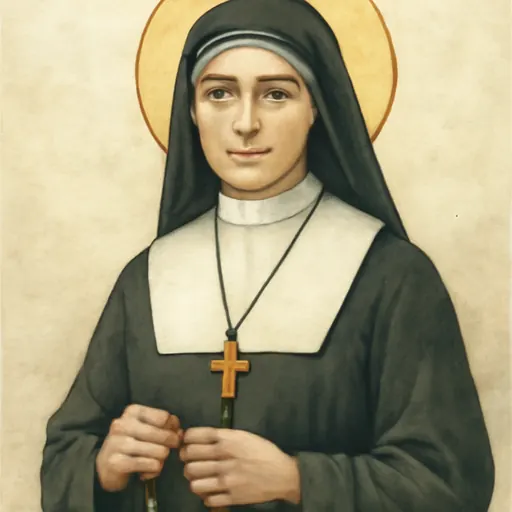
Blessed Eusebia Palomino (1899–1935) was a Spanish Salesian sister, a poor farmhand's daughter who spent her religious life in the kitchen, laundry and garden at Valverde del Camino. Children and adults came to her for counsel, and she offered her life to God for Spain. We keep her feast on February 10; she was beatified in 2004.
Who was Blessed Eusebia Palomino?
Blessed Eusebia Palomino Yenes was a Spanish Salesian sister who never held an office, never studied theology and spent her religious life cooking, washing, gardening and answering the door. She was born on December 15, 1899, in Cantalpino, a farming village near Salamanca, one of four children of Agustín Palomino and Juana Yenes. She died at thirty-five in Valverde del Camino, in the province of Huelva, on February 10, 1935, and the people of the town said, "A saint has died." Pope John Paul II beatified her on April 25, 2004.
The Roman Martyrology sums up her life in one line: she reached "the summits of grace" in the humblest kinds of work, "without any ostentation."
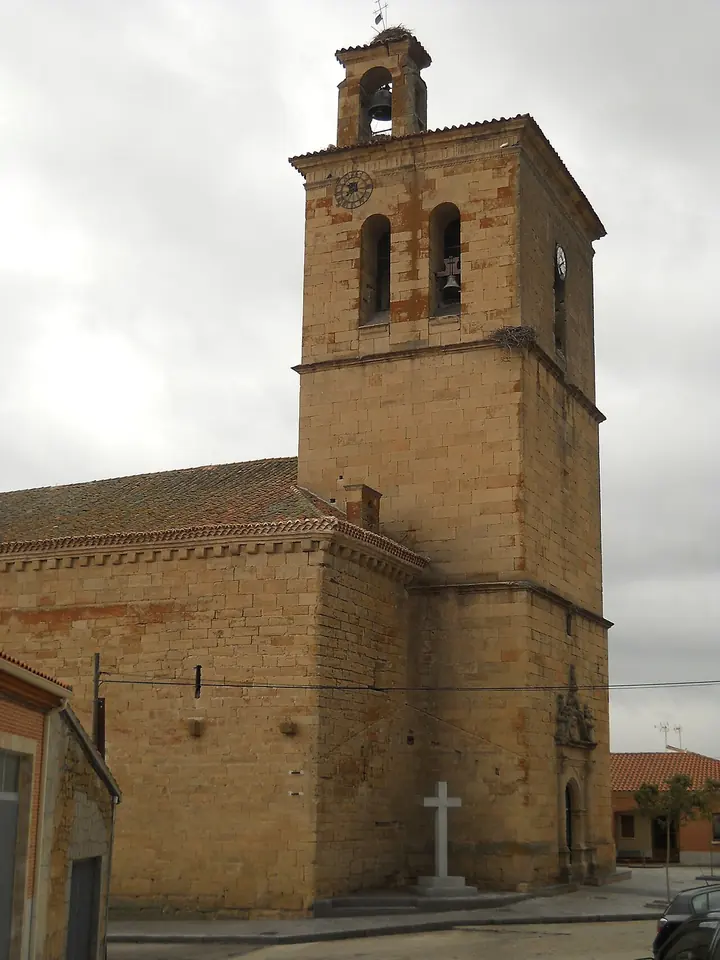
A beggar's daughter
The Palomino family was very poor. Her father was a seasonal farmhand, and in winter, when there was no work, he walked to nearby villages to beg for food, with little Eusebia at his side. The Vatican's biography says she was too young to understand his humiliation in asking for "a loaf of bread, for the love of God." She was simply glad to be with him. He taught his daughters the catechism at home.
At eight she made her First Communion, which she remembered as her first "encounter" with Jesus, and she felt then that she wanted to belong to him completely. Soon afterward she had to leave school to help support the family. At twelve she went to Salamanca with her older sister and worked as a nanny and a servant girl.

Into the Salesian Sisters
On Sunday afternoons Eusebia went to the oratory at the Sancti Spiritus school in Salamanca, run by the Daughters of Mary Help of Christians, the sisters founded by St. John Bosco and St. Maria Mazzarello. The sisters noticed how responsible she was and asked her to help. She worked in their kitchen, gathered firewood, cleaned the school and ran errands.
She longed to join them but did not dare ask. She had no money, no dowry and almost no schooling. "If I carry out well my duties here, for love of the Blessed Virgin," she hoped, "one day I will be her daughter in the Congregation." When she finally confided this to a visiting superior, she was told to "worry about nothing" and was accepted. She began as a postulant on January 31, 1921, started her novitiate on August 5, 1922, and made her first profession in 1924.
The little sister of Valverde
In 1924 she was sent to the Salesian house at Valverde del Camino, a town in the hills of Huelva in southwestern Spain. The children were not impressed. They said she was "little, pale and ugly, with hands that are too big... plus, she has a dumb name." Sister Eusebia took no notice. The next day she rolled up her sleeves and went to work in the kitchen, the laundry, the porter's lodge, the garden and the oratory.
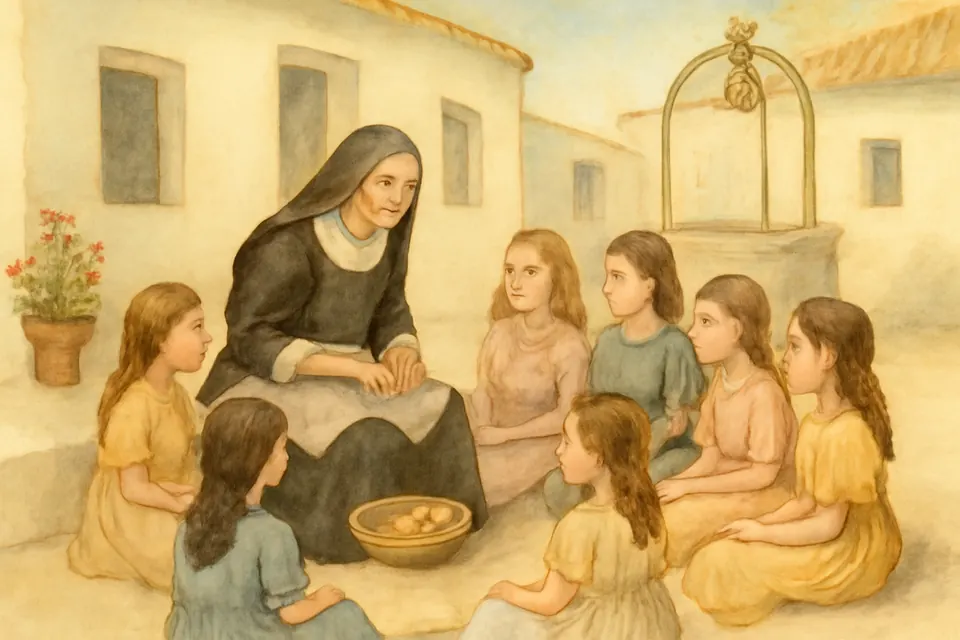
She had an excellent memory and a gift for stories. Peeling potatoes or minding the girls, she told them about the saints, the missionaries and Don Bosco, and the children who had mocked her began to seek her out. Soon their parents came too, then young people, seminarians and even priests, asking her advice. She had no formal training, but people found in her a plain, deep wisdom about God. She made her perpetual vows in 1930.
Her prayer was marked by two devotions. She consecrated herself to Mary as a "slave of love," following St. Louis de Montfort, and spread that consecration around Valverde; and she prayed and promoted the Rosary of the Holy Wounds of Jesus. Her Italian biographer Paolo Risso records her motto in religious life: let us become saints, and the rest is only lost time.
Offered for Spain
In the early 1930s the Church in Spain came under growing attack, with convents burned and priests threatened. Sister Eusebia offered herself to God as a victim for the salvation of Spain. In August 1932 she fell ill with a mysterious disease that the doctors could not diagnose. It slowly twisted her limbs until, as the Vatican biography puts it, she was curled up like "a ball of yarn," and her asthma grew much worse. Through the pain she stayed gentle and cheerful and thanked those who cared for her.
She died on February 10, 1935. The Spanish Civil War, with its terrible persecution of priests and religious, began the next year.

Miracles and wonders
The miracle that opened the way to her beatification was examined and approved by the Church in 2003, as every beatification of a non-martyr requires. Its details are in the official acts of the cause and are not repeated here.
Her popular biographies also record a number of wonders from her life, and these are reported, not formally examined: that she reassured a mother with precise news of a son fighting in Morocco, that water rose in a dry well, that she saved a drowning man by throwing him the crucifix she wore, and that the church bells rang by themselves at her funeral. One life even credits her with foretelling that the king would leave Spain and that a later king would be called Juan Carlos. We pass these stories on as the devotion of Valverde tells them.
Symbols of Blessed Eusebia Palomino in art
There is no old artistic tradition for so recent a Blessed. Her images show her in the black habit, veil and white collar of the Daughters of Mary Help of Christians, often with a rosary or a crucifix. Some add a kitchen apron or show her among children, recalling the humble work and the storytelling that made her loved.
Feast day and prayer
We keep her feast on February 10, the day she died. The Salesian Family celebrates her memorial on February 9.
We know of no traditional prayer to Blessed Eusebia that we can cite here. At her beatification John Paul II said that she lived by the Salesian maxim "da mihi animas, caetera tolle" (give me souls, take away the rest) and that she "traced out an attractive and demanding path of holiness for us all, especially for the young people of our time." Let us ask her to pray for all who serve in hidden jobs, for children who are mocked for how they look, and for the people of Spain.
Blessed Eusebia Palomino, pray for us.
Frequently asked questions
Who was Blessed Eusebia Palomino?
A Spanish religious sister of the Daughters of Mary Help of Christians (the Salesian Sisters), born in Cantalpino near Salamanca in 1899. She did the humblest work of her community at Valverde del Camino in Huelva, told stories of the saints to the children of the oratory, and died after a long, painful illness on February 10, 1935.
When is the feast day of Blessed Eusebia Palomino?
February 10, the day of her death, in the Roman Martyrology. The Salesian Family celebrates her memorial on February 9.
When was Eusebia Palomino beatified?
Pope John Paul II declared her Venerable on December 17, 1996, and beatified her in St. Peter's Square on April 25, 2004, together with Blessed Alexandrina Maria da Costa and four others.
Why did Eusebia Palomino offer herself as a victim for Spain?
In the early 1930s the Church in Spain faced growing persecution. Sister Eusebia offered herself to God for the salvation of Spain, and in August 1932 she fell ill with a disease the doctors could not diagnose, which twisted her limbs. She bore it with peace until her death in 1935, a year before the Civil War broke out.
Keep exploring
Sources
- Eusebia Palomino Yenes (1899-1935), biography (Holy See, beatification of April 25, 2004). Her childhood begging with her father, the acceptance into the congregation, the welcome at Valverde, the offering for Spain, the illness of 1932 and every quotation from her life
- John Paul II, homily for the beatification of six Servants of God (April 25, 2004). The Pope's words on Sister Eusebia and the Salesian maxim
- Beata Eusebia Palomino Yenes, Santi e Beati (with the Roman Martyrology entry and lives by Mariella Lentini and Paolo Risso). The Roman Martyrology text, the Salesian memorial on February 9, her Montfort consecration and Holy Wounds rosary, the reported wonders, and her burial at Valverde del Camino
- Roman Martyrology 2004, February (GCatholic). February 10 entry