Blessed Sebastian de Aparicio
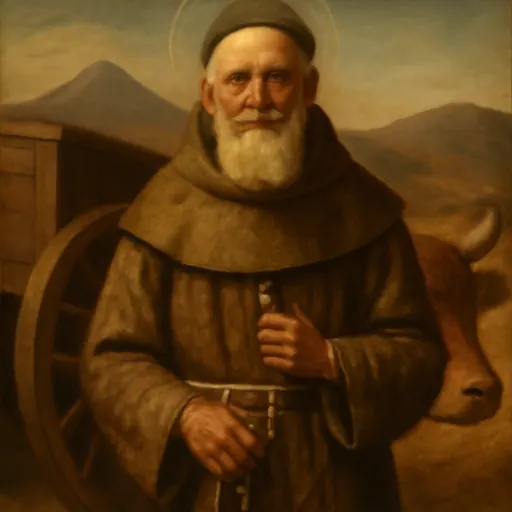
Blessed Sebastian de Aparicio (1502–1600) was a Galician farm boy who emigrated to Mexico, built its first wagon roads, gave away his fortune, and became a Franciscan lay brother at 72. For a quarter century he drove an ox cart around Puebla begging for the friars and the poor. His incorrupt body rests there; his feast is February 25.
Who was Blessed Sebastian de Aparicio?
Blessed Sebastian de Aparicio was a Spanish farmer, road builder and, at the very end of a long life, a Franciscan friar in Mexico. He was born in 1502 in the village of A Gudiña in Galicia and died at Puebla de los Ángeles in 1600, aged 98. Mexicans call him the friar of the ox carts. He could never read or write, and he never forgot the prayers his parents taught him by the fire on winter nights.
His life falls into two halves. For seventy years he worked: as a hired hand in Spain, then as a farmer, carter, road builder and rancher in the new land of Mexico. For the last twenty-six he was a lay brother of the Order of St. Francis, driving an ox cart around Puebla to beg for his brothers and for the poor. We keep his feast on February 25.
A shepherd boy of Galicia
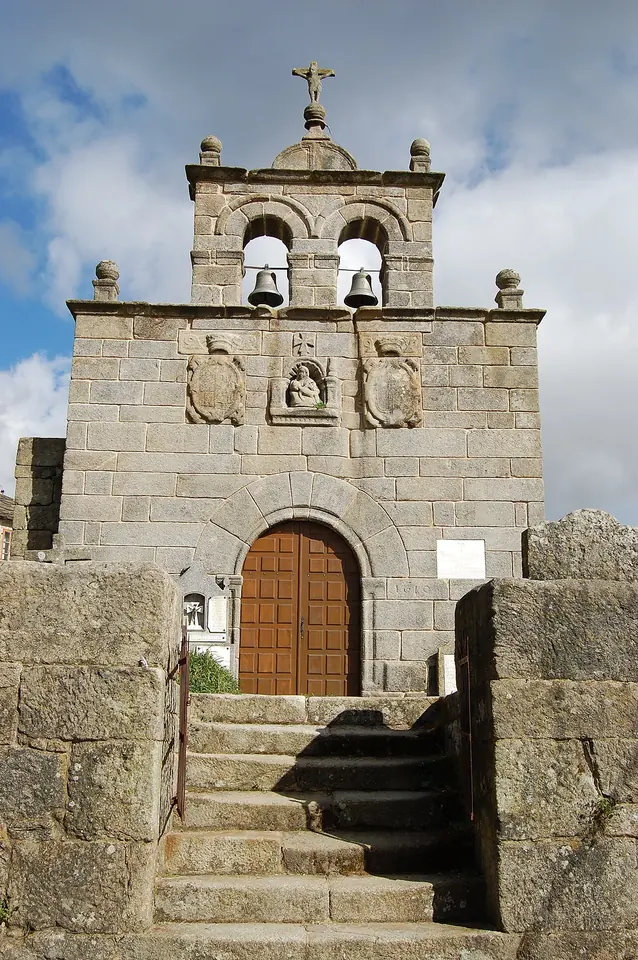
Sebastian was the third child and only son of Juan de Aparicio and Teresa del Prado, poor farmers of A Gudiña. He was baptized in the parish church of San Martín. As a boy he tended sheep and cows, learned to yoke the oxen to the cart, and prayed the Rosary with his family.
When he was a boy, plague struck the village. Following the custom of the time, his parents carried him to a hut in the hills to keep the sickness from spreading. His Franciscan biographer, Gaspar Calvo Moralejo, tells what the family remembered: one night a wolf came into the hut, bit open the swelling of the plague and licked the wound, and by morning the fever was gone. His mother found him alive and brought him home.
Roads for New Spain
As a young man Sebastian worked as a hired laborer in Castile and Andalusia, sending money home for his sisters' dowries. In 1533 he sailed from Sanlúcar de Barrameda to Mexico and settled in the new town of Puebla de los Ángeles, founded two years earlier by the Franciscan missionary Toribio de Benavente, called Motolinía.
He farmed, then saw what the country lacked. Before the Spaniards came, Mexico had no draft animals and no wheeled carts, and everything moved on human backs. Sebastian tamed wild cattle, trained them to the yoke, and with a carpenter partner built some of the first wagons the country had seen. With permission from the royal court he widened the road from Mexico City toward the port of Veracruz so that carts could use it. Later he helped open the long road north to the silver mines of Zacatecas. The Chichimec peoples of the north trusted him, his biographer says, because he paid his indigenous workers fairly and settled their quarrels honestly.
He grew rich and lived as poorly as ever. He slept on the ground, forgave widows their husbands' debts, and taught indigenous farmers to plow with oxen and to handle horses and cattle.

Two marriages and a gift to the Poor Clares
In 1562, at sixty, Sebastian married a young woman whose family could not give her a dowry. They agreed to live together as brother and sister, and she died within a year. Two years later he married again, María Esteban, on the same terms, and she too died before long.
Grieving and seriously ill, he began to think of the religious life. The friars doubted a man past seventy could keep their rule. His confessor suggested a test: give his property to the young and struggling Poor Clare monastery in Mexico City and serve the sisters as a lay helper. On December 20, 1573, Sebastian signed his lands over to the Clares, worth about 20,000 pesos.
A friar at seventy-two
On June 9, 1574, he received the Franciscan habit in Mexico City at the age of 72. A year later, on June 13, 1575, he made his vows; because he could not write, another friar signed the record for him. After a short time at the friary of Tecali he was sent to the great friary of Puebla, with about a hundred friars and students, as its limosnero, the brother who gathers alms.
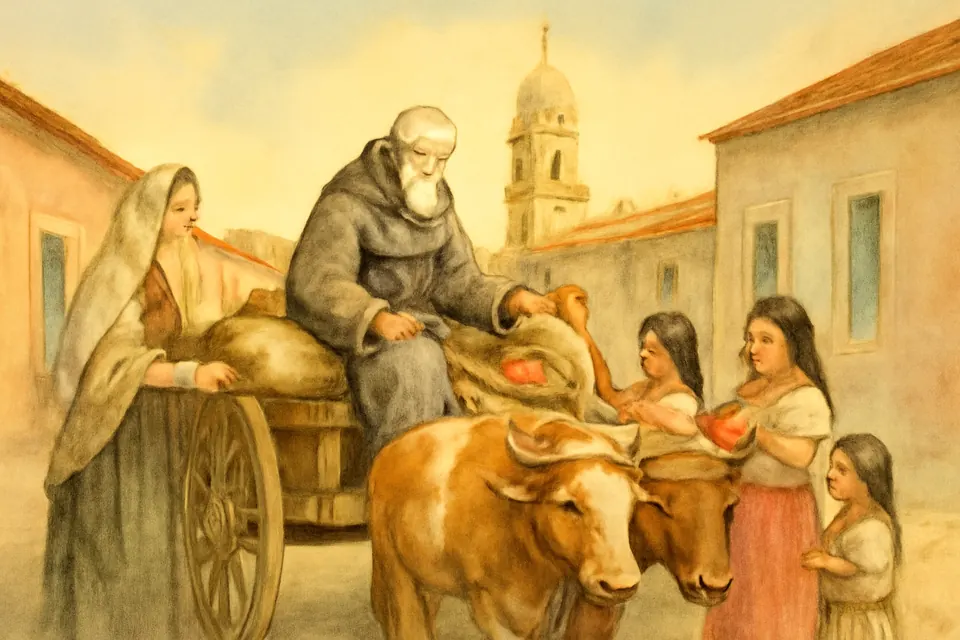
For twenty-six years he drove his ox cart through the town and the countryside, collecting grain, food and gifts for the friars and the sick. The young students called him their grandfather and waited for the fruit he brought them. People told stories of his way with animals and of angels who helped his cart across flooded fords.
He died in the friary on the evening of February 25, 1600, lying on the ground like St. Francis. He was buried in the church of San Francisco four days later.
The miracles of Blessed Sebastian de Aparicio
- Traditional: his cure from plague as a boy after a wolf licked his wound, and the many stories of angels guiding his cart.
- Reported: cures and favors at his death and burial. Calvo Moralejo writes that the beatification process gathered 968 miracles in its acts, with 568 witnesses.
- Approved: the miracles accepted for his beatification by Pope Pius VI on May 17, 1789.
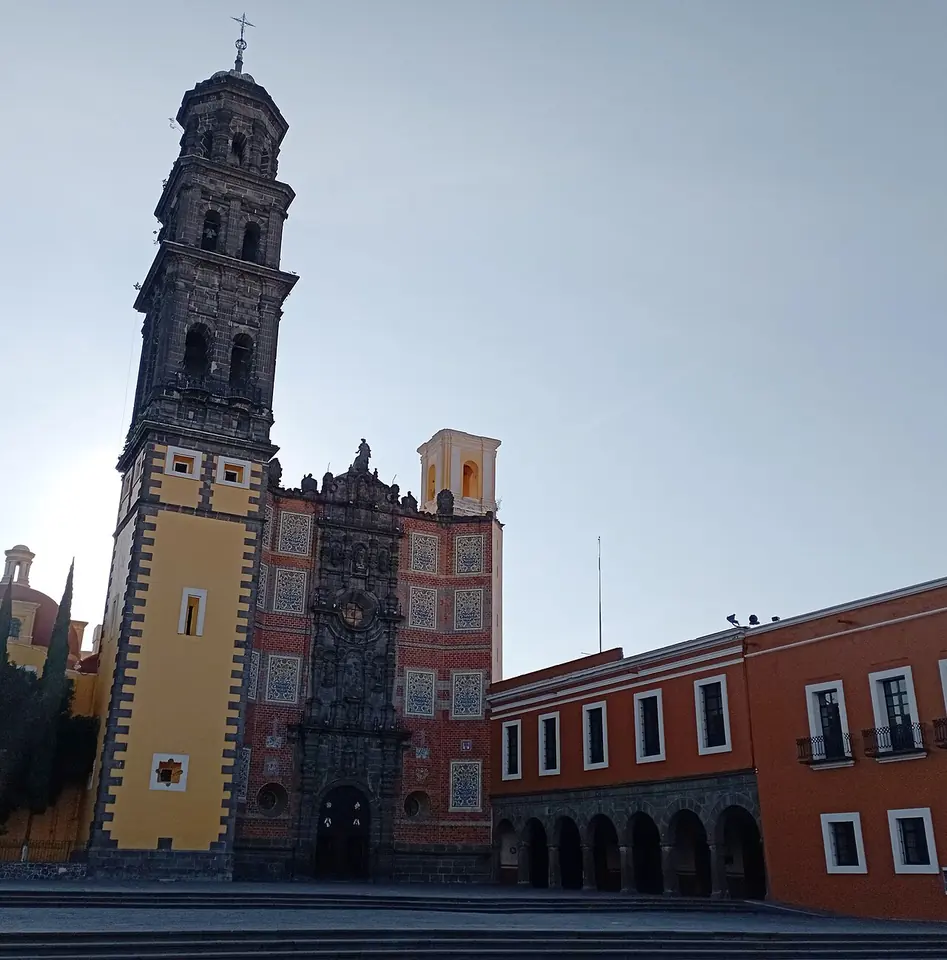
His body is incorrupt. It lies in a glass and silver casket in a chapel of the church of San Francisco in Puebla, where pilgrims kneel to ask his prayers.

Why Blessed Sebastian is a patron of drivers and travelers
He spent most of a century on the road: building roads, driving carts, carrying goods and alms. He is honored as a patron of travelers, drivers and road builders, and it is natural to ask his protection before a long trip.
Symbols of Blessed Sebastian de Aparicio in art
- The ox cart and yoked oxen, his work as a layman and as a friar;
- The gray or brown Franciscan habit of a lay brother, worn by a very old, bearded man;
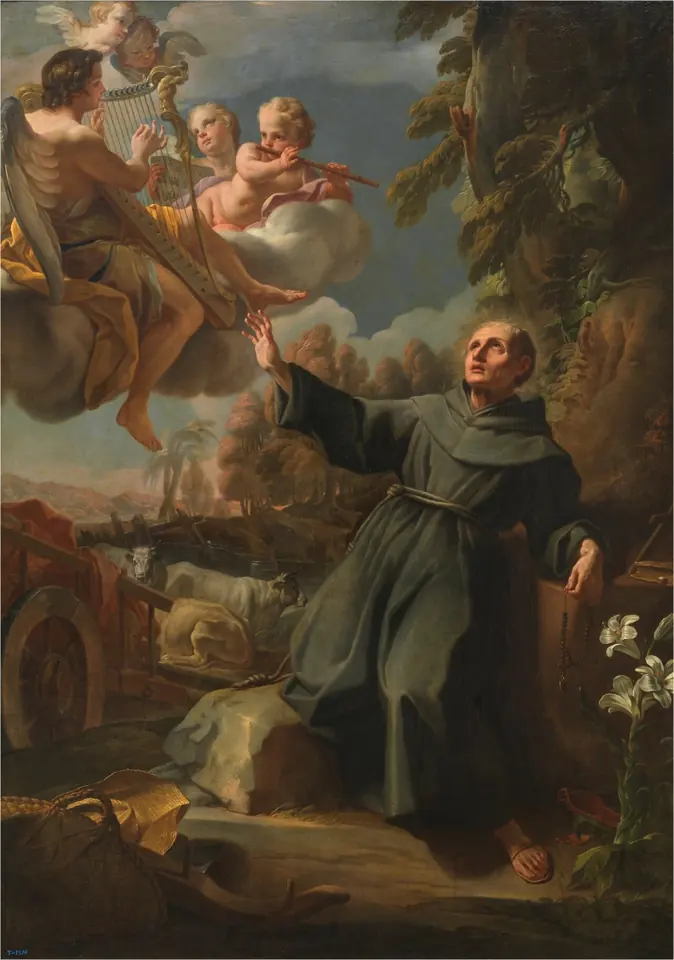
- The Rosary, which he prayed all his life;
- Angels lifting or guiding the cart, from the stories of his journeys.
Maella's painting in the Prado joins these: the old friar kneels by a broken cart wheel while angels appear above.
Feast day and prayer
We keep the feast of Blessed Sebastian de Aparicio on February 25. See the feast day calendar and our page on patron saints.
We know of no traditional prayer to him in English. Let us ask Blessed Sebastian to pray for all who drive for a living, for migrants far from home, for the old who still want to give their lives to God, and for everyone who builds roads that bring people together.
Frequently asked questions
Who was Blessed Sebastian de Aparicio?
A Spanish layman from A Gudiña in Galicia who went to Mexico in 1533, farmed near Puebla, opened roads for wheeled ox carts, and later ranched near Zacatecas. After two chaste marriages left him a widower, he gave his property to the Poor Clares and in 1574, aged 72, entered the Franciscans. He spent his last years as the alms-gatherer of the friary at Puebla and died there in 1600, aged 98.
What is Blessed Sebastian de Aparicio the patron of?
He is honored as a patron of travelers, drivers and road builders, because he built roads and drove ox carts for most of his long life.
Is the body of Blessed Sebastian de Aparicio incorrupt?
Yes. His body is kept in a glass and silver casket in a chapel of the church of San Francisco in Puebla, Mexico, where pilgrims come to pray.
When was Sebastian de Aparicio beatified?
Pope Pius VI beatified him on May 17, 1789. His feast day is February 25.
Keep exploring
- Patron saint pages
- DriversTravelers
- Feast-day calendar
- Saints remembered in FebruarySaint of the dayWhat saint is my birthday?
- Relics
- Where the relics are kept (map)
- More
- Saints A to ZPatron saints A to ZExplore every section
Sources
- Gaspar Calvo Moralejo, OFM, Beato Sebastián de Aparicio (1502–1600), Franciscan Directory (from Emigrante... hay camino, Madrid, 1973). His birth date, the plague and the wolf, the roads, the marriages of 1562, the gift to the Poor Clares (December 20, 1573), clothing (June 9, 1574) and profession (June 13, 1575), Tecali, the 968 miracles and 568 witnesses, beatification on May 17, 1789
- Dominic Monti, OFM, Blessed Sebastian de Aparicio: Devout Layman and Franciscan Friar (Commission on the Franciscan Intellectual Tradition, 2026). His work as alms-gatherer at Puebla and the incorrupt body in a glass case in the church of San Francisco
- Catholic Exchange: The Long and Winding Roads of the 'Angel of Mexico'. The silver and glass casket in Puebla and his patronage of travelers, drivers and road builders
- Joseph Manuel Rodríguez, Vida prodigiosa del v. siervo de Dios fray Sebastián de Aparicio (Mexico, 1769), Internet Archive. An early printed life of the friar