Blessed Sára Salkaházi, the Sister Who Died Sheltering Jews in Budapest

Blessed Sára Salkaházi (1899–1944) was a Hungarian journalist who became a Sister of Social Service and, during the Nazi occupation of Budapest, hid Jews in the homes for working girls she ran. On December 27, 1944, Arrow Cross militiamen took her away and shot her on the bank of the Danube. She was beatified as a martyr in 2006, and her feast is May 11.
Who was Blessed Sára Salkaházi?
Blessed Sára Salkaházi was a Hungarian journalist turned religious sister who hid Jews from the Nazis in Budapest and died for it on the bank of the Danube. She was born on May 11, 1899, in Kassa, then in the Kingdom of Hungary and today Košice in Slovakia, into a well-to-do family. She became a teacher, a bookbinder, a milliner and a writer before she found her calling with the Sisters of Social Service, a Hungarian community founded by Margit Slachta in 1923 for charitable and social work among women.
On December 27, 1944, militiamen of the pro-Nazi Arrow Cross shot her on the Danube embankment. The Church beatified her as a martyr in Budapest on September 17, 2006.
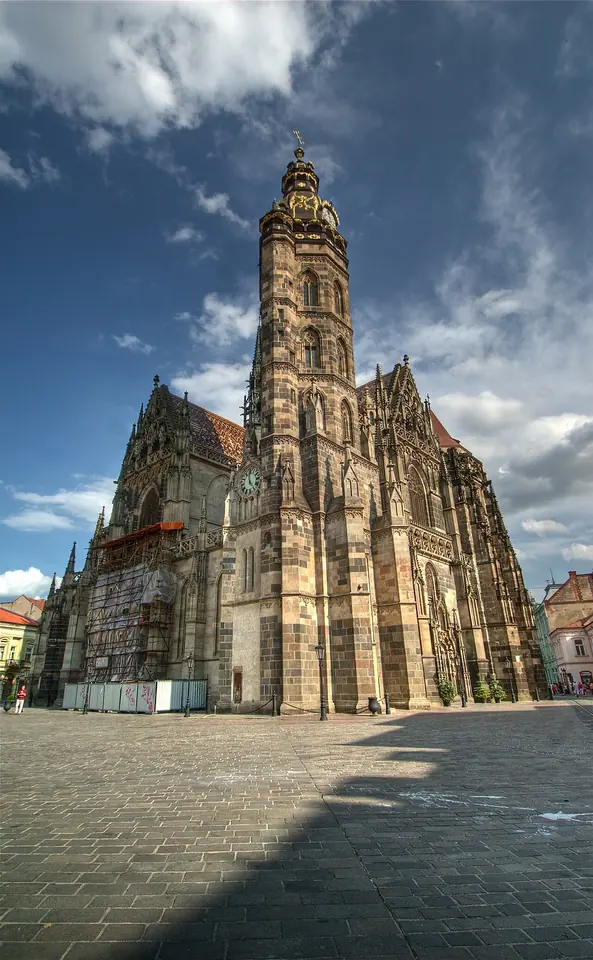
The life of Blessed Sára
A journalist with a conscience
Sára trained as a teacher, and through her pupils she came to know the problems of poor families, which she wrote about in newspaper articles. To learn for herself what it meant to be looked down on, she apprenticed with a bookbinder, where she was given the hardest and dirtiest work, and then worked in a hat shop. She joined the Christian Socialist Party and edited its newspaper, writing about the social problems of women.
The sister they almost turned away
When she first asked to join the Sisters of Social Service, the sisters hesitated over this chain-smoking, successful journalist and sent her away. She gave up smoking, with great difficulty, and was admitted in 1929, at thirty. She took as her motto the words of Isaiah: "Here I am! Send me!"
The next years were hard. She organized Catholic Charities in Kassa and Komárom, edited a Catholic women's paper, ran a bookshop and a shelter, and led the National Girls' Movement for the bishops of Slovakia. In one year she was given fifteen different assignments. At one point her superiors would not let her renew her temporary vows or wear the habit for a year. She thought of leaving, then chose to stay faithful to the One who had called her. She made her final vows in 1940.
Hiding the persecuted
As national director of the Catholic Working Girls' Movement she built homes for working women in Budapest and a college near Lake Balaton. When the Hungarian Nazis began persecuting the Jews, the Sisters of Social Service opened their houses to them, and Sára hid refugees in the girls' homes she directed, finding food for them through ration cards and air raids. She also changed her family name to the more Hungarian-sounding Salkaházi, as a protest against Nazi ideology.

In 1944 she wrote a play on St. Margaret of Hungary, canonized the year before. Its first performance, in March 1944, was also its last: German troops occupied Hungary that day. Around this time, with her superiors' permission, she privately offered her life to God for the safety of her sisters. The Dicastery for the Causes of Saints credits her personally with saving about 100 Jewish lives and her community with saving about 1,000.
The martyrdom of Blessed Sára Salkaházi
The siege of Budapest began at Christmas 1944. On the morning of December 27, Sister Sára gave her sisters a meditation on martyrdom. Before noon she was walking back from another house when she saw armed men in front of the home she directed on Bokréta Street. She could have walked away. Her companion asked whether they should flee, and she answered: "No, I am the director."
Inside, the Arrow Cross men were checking the papers of about 150 residents, and about ten of them were refugees with false papers. Sára and several others were taken away. As she was led out, she slipped into the chapel and genuflected before the altar until they pulled her out.
That night they were lined up on the Danube embankment. According to the Dicastery's account, before the shots she turned to her executioners, looked them in the eyes, knelt, and made a large Sign of the Cross. Their stripped bodies were thrown into the river. None of the other Sisters of Social Service was harmed, as she had asked.
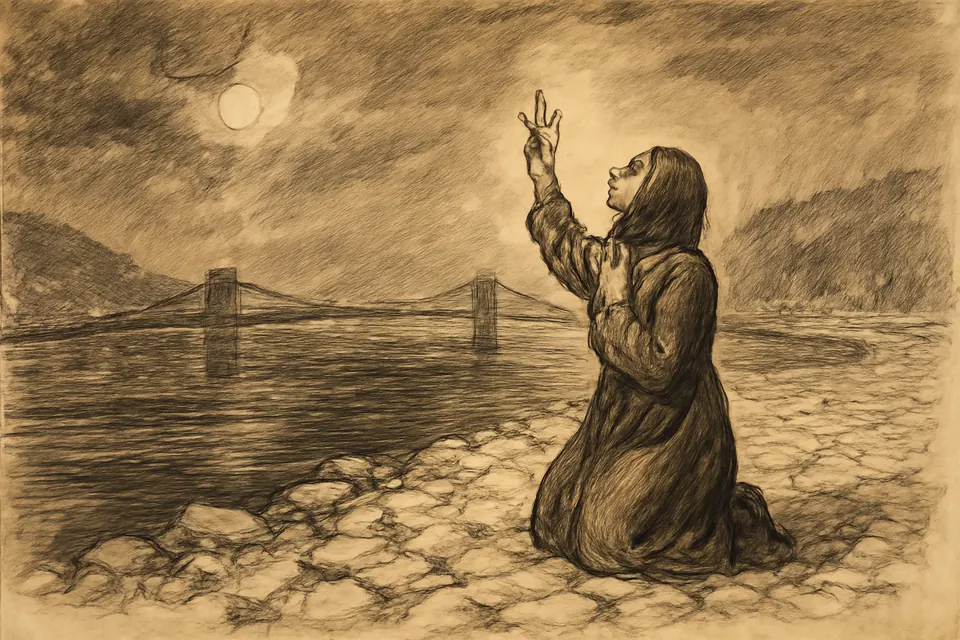
As a martyr, she was beatified without the need for an approved miracle.
Her fate became publicly known only at the trial of the Arrow Cross men of the Zugló district in 1967. In 1969 she was recognized as Righteous Among the Nations.
Why social workers and journalists ask her prayers
The Church has not given Blessed Sára a formal patronage. It is natural for social workers, who do today much of what her community did, and for journalists, whose trade she practiced for years, to ask her prayers. See more on our patron saints page.
Symbols of Blessed Sára in art
Sára lived in the age of photography, so her images follow her photographs: a small woman with short dark hair and round glasses, in the plain gray dress of the Sisters of Social Service. Memorials show her kneeling or with her hands crossed on her breast holding a cross, as on the bronze relief of 2013 in Košice Cathedral, or simply name her beside the Danube.
Feast day and memorials
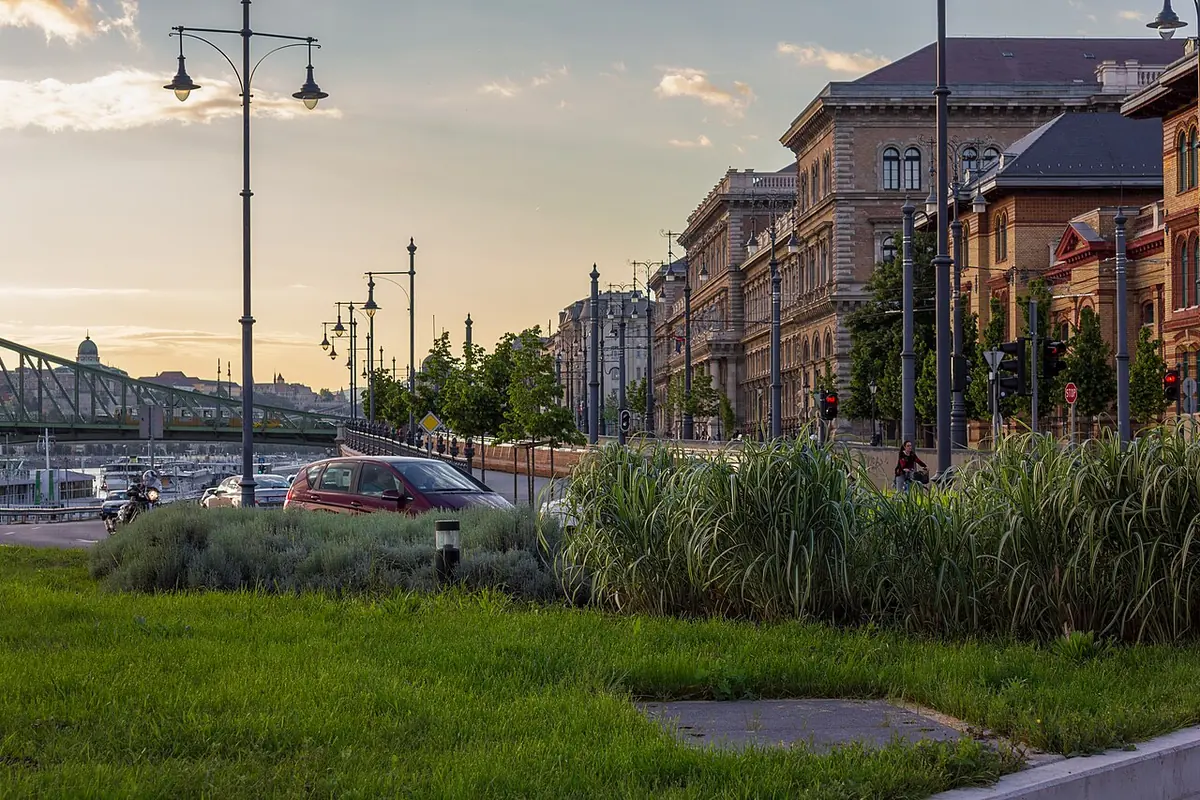
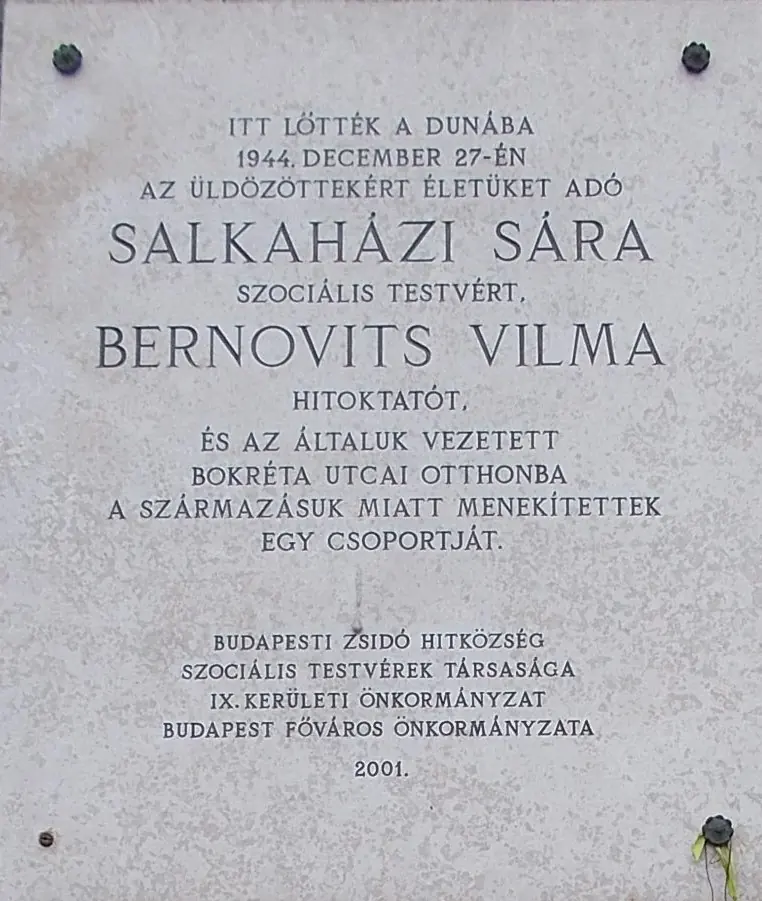
We keep her memorial on May 11, her birthday, as Pope Benedict XVI's apostolic letter allowed; Cardinal Péter Erdő read it at her beatification before St. Stephen's Basilica in Budapest. Every year on December 27 the Sisters of Social Service hold a candlelight service on the Danube embankment. She has no tomb. A plaque on the Salkaházi Sára quay, placed in 2001 by the Jewish community of Budapest, the Sisters of Social Service and the city, remembers her and the catechist Vilma Bernovits, shot with her. See other feasts on our feast days page.
Praying with Blessed Sára
We know of no traditional English prayer to Blessed Sára. Let us pray with her motto, "Here I am! Send me!", and ask her to pray for all who shelter the persecuted and for all who are hated for their people or their faith.
Blessed Sára Salkaházi, pray for us.
Frequently asked questions
How many Jews did Sára Salkaházi save?
The Dicastery for the Causes of Saints credits her personally with saving about 100 Jewish lives, and her community, the Sisters of Social Service, with saving about 1,000.
How did Sára Salkaházi die?
On December 27, 1944, Arrow Cross militiamen raided the girls' home she directed, found refugees with false papers, and took her and others away. That night they lined them up on the Danube embankment; she knelt, made the Sign of the Cross, and was shot. Their bodies were thrown into the river.
When is the feast of Blessed Sára Salkaházi?
May 11, her birthday, as set in Pope Benedict XVI's apostolic letter of beatification, read in Budapest on September 17, 2006.
Where is Sára Salkaházi buried?
She has no grave; her body was thrown into the Danube. A plaque on the Budapest quay that bears her name marks the place of her death.
Keep exploring
Sources
- Dicastery for the Causes of Saints: Sára Salkaházi. Her life, her rejection and admission, her vow troubles, the play on St. Margaret, her self-offering, the numbers saved, the raid and her death, and the yearly memorial
- Infostart: Boldoggá avatták Salkaházi Sárát (September 17, 2006). The beatification before St. Stephen's Basilica, Cardinal Péter Erdő reading the apostolic letter, and the feast on May 11
- We Love Budapest: Ki volt Salkaházi Sára? (2026). The Bokréta Street home, her words "I am the director," the 1967 trial that revealed her death, and her recognition as Righteous Among the Nations in 1969