St. Aristaces I (Aristakes), Catholicos of Armenia

St. Aristaces I (in Armenian, Aristakes) was the younger son of St. Gregory the Illuminator and his successor as head of the Armenian Church. He represented Armenia at the First Council of Nicaea in 325 and was martyred about 333. The Armenian Church honors him on movable Saturdays; this encyclopedia lists him on July 25.
Who was St. Aristaces I?
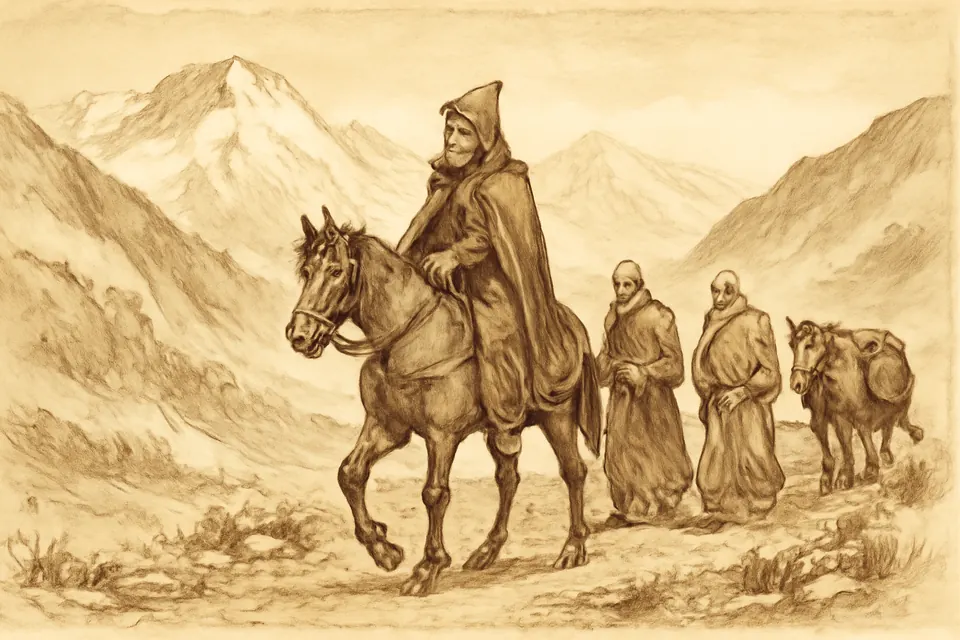
St. Aristaces I, called Aristakes in Armenian, was the second head of the Armenian Church and the son of the man who founded it. His father was St. Gregory the Illuminator, who converted King Trdat (Tiridates) and made Armenia the first Christian kingdom. When Gregory withdrew from public life in old age, Aristakes took his place. In 325 he made the long journey to Nicaea and took part in the first ecumenical council of the Church, the council that gave us the Nicene Creed. About eight years later he was killed for the faith.
The Armenian Church remembers him among the "sons and grandsons of St. Gregory," the family of bishops who led Armenia's young Church in the fourth century.
Little more than this is certain. Armenia's own histories of the period were written down in the fifth century and later, and they mix history with legend. What we give here are the facts that the Catholic Encyclopedia and the Armenian Church's own commemorations agree on.
The life of St. Aristaces
Son of the Illuminator
The Catholic Encyclopedia says that Gregory, raised a Christian at Caesarea in Cappadocia, was married and had two sons, whom the Greek text of the Armenian historian Moses of Khoren calls Aristakes and Bardanes (Vrtanes in Armenian). The Armenian Prelacy says Aristakes was the younger of the two.
Bishop and Catholicos
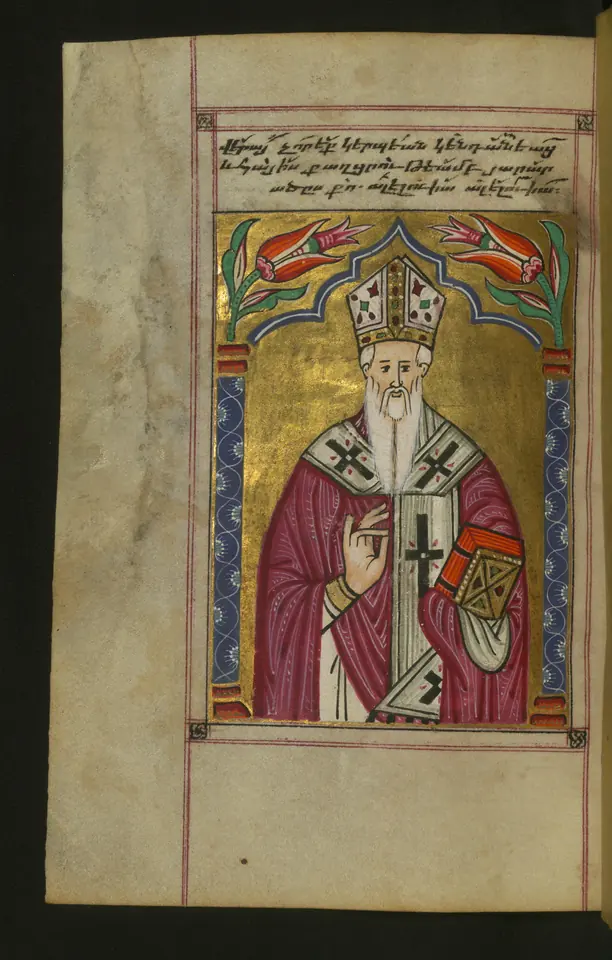
Armenian tradition, as Panorama.am reports it, says that Aristakes "was consecrated a bishop by his father." When Gregory retired, the Catholic Encyclopedia writes, he "was succeeded as Catholicos by his son Aristakes." The title Catholicos was given to the chief bishop of the Armenian Church. In those years the Armenian primates went to Caesarea in Cappadocia to be ordained, and the Church of Armenia was closely tied to the wider Greek-speaking Church.

At the Council of Nicaea
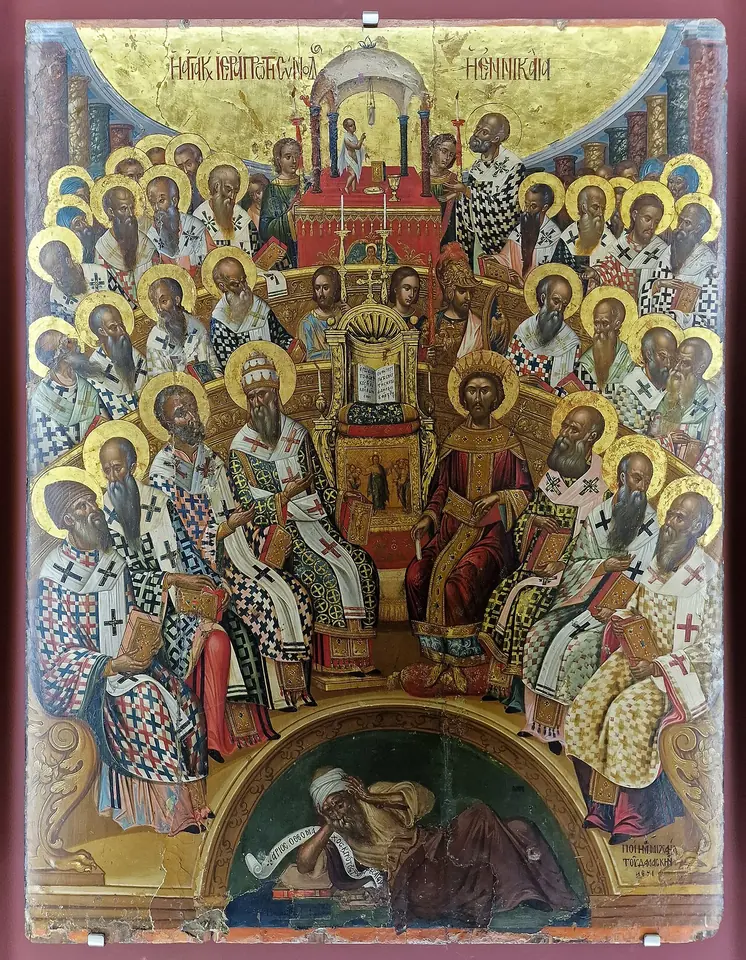
In 325 the emperor Constantine called the bishops of the Christian world to Nicaea, in Asia Minor, to settle the controversy raised by Arius, who taught that the Son of God was a creature. The council confessed that the Son is "of one substance with the Father" and wrote the creed that, in its expanded form, the Church still professes on Sundays.
Aristakes was there. The Armenian Prelacy writes: "Aristakes represented the Armenian Church at the first ecumenical council of Nicaea in 325." It adds that the Nicene Creed written there is "recited to this day during the Divine Liturgy" of the Armenian Church. His presence carried the newly converted kingdom into the life of the universal Church at its first great council, alongside bishops such as Alexander of Alexandria, whose deacon was the young St. Athanasius, and, by a much-loved tradition, St. Nicholas.
His martyrdom
The Armenian Church honors Aristakes as a martyr. The Prelacy says that he "was martyred around 333 A.D." Later Armenian historians tell how he died, but we have not been able to check their account against a source we could open, so we leave the details out.
The miracles of St. Aristaces
No miracles of St. Aristaces are recorded in the sources we consulted, and we do not invent any. The wonders in the fifth-century life of his father, Gregory, such as his years in the pit of Khor Virap and the healing of King Trdat, are traditional, and they belong to Gregory's story rather than his son's. The Armenian Church honors him as a martyr and a father of its faith.
Symbols of St. Aristaces in art
We know of no old image made of Aristakes alone. When he is shown, it is as an Armenian bishop of the early Church: a pointed hood or miter, vestments marked with crosses and a Gospel book, often beside his father, St. Gregory. A scroll or book of the Creed recalls Nicaea. Icons of the Council of Nicaea, like the one by Damaskinos on this page, show the gathered bishops without naming most of them; Aristakes was one of that company.

Feast day
The Armenian Apostolic and Armenian Catholic churches keep a commemoration of the sons and grandsons of St. Gregory: Sts. Aristakes, Vrtanes, Husik, Grigoris and Daniel. Like many Armenian feasts it falls on a movable day, a Saturday, and it comes twice in the year, once in summer and once in winter. In 2026 the summer commemoration fell on Saturday, July 25, and this encyclopedia lists him on that date. See our feast days page for the saints around it.
Prayer to St. Aristaces
We have not found a traditional prayer to St. Aristaces in a source we could verify, so we do not print one. One prayer he certainly prayed is the Creed his council handed on to the whole Church. Let us profess it with him, and ask him to pray for the Armenian people, for the unity of the churches of East and West, and for all who keep the faith of Nicaea under pressure.
St. Aristaces, pray for us.
Frequently asked questions
Who was St. Aristaces I?
The younger son of St. Gregory the Illuminator, the apostle of Armenia. His father consecrated him bishop, and he succeeded Gregory as Catholicos, the head of the Armenian Church. He attended the Council of Nicaea in 325 and was martyred about 333.
When is the feast day of St. Aristaces?
The Armenian Church keeps it on a movable Saturday together with the other sons and grandsons of St. Gregory, once in summer and once in winter. In 2026 the summer commemoration fell on July 25.
Did St. Aristaces attend the Council of Nicaea?
Yes. The Catholic Encyclopedia and the Armenian Church both record that Aristakes was present at the First Ecumenical Council, at Nicaea in 325, representing the Armenian Church.
Is Aristaces the same person as Aristakes?
Yes. Aristakes is the Armenian form of the name; Aristaces is the Latin form used in older Western books.