St. Chrysogonus of Aquileia, Martyr of the Roman Canon
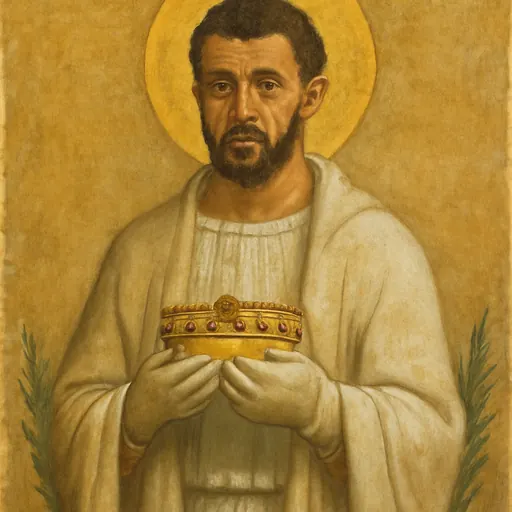
St. Chrysogonus was a Christian martyr beheaded near Aquileia, in northeastern Italy, probably during Diocletian's persecution in the early 4th century. His name is in the Roman Canon of the Mass, a later legend made him the teacher of St. Anastasia, and he is the patron of Zadar in Croatia. His feast is November 24.
Who was St. Chrysogonus?
Chrysogonus was a Christian martyr who died near Aquileia, the great Roman city at the head of the Adriatic, probably in the persecution of Diocletian at the beginning of the 4th century. Catholics hear his name at Mass whenever the priest prays the Roman Canon: "Lawrence, Chrysogonus, John and Paul, Cosmas and Damian." His name is Greek and means "golden-born."
What history can say about him is short. The oldest list of martyrs in the West, the so-called Martyrologium Hieronymianum, names him twice, on May 31 and November 24, with the note "in Aquileia." He was buried there and venerated by the faithful of that region. Recent scholarship, summarized by the Croatian historian Trpimir Vedriš, places his first shrine at San Canzian d'Isonzo, a few miles from Aquileia, where the martyrs Cantius, Cantianus and Cantianilla were also buried.
From Aquileia to Rome
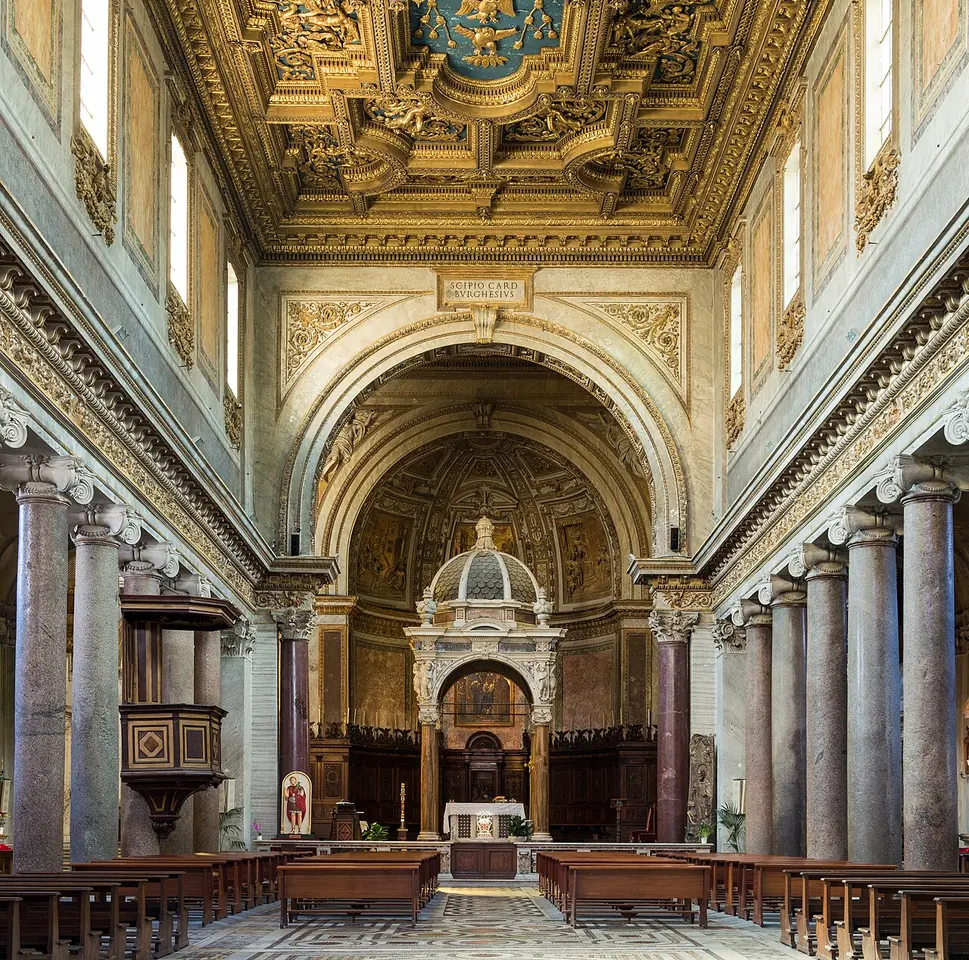
Very early, his cult traveled to Rome. In Trastevere a church called the Titulus Chrysogoni is first mentioned in the signatures of a Roman synod in 499, and it probably goes back to the 4th century. The Catholic Encyclopedia gives two possibilities: either the church's founder was a Roman named Chrysogonus and the martyr's name attached itself to it, or it was dedicated to the martyr from the start for reasons now lost. Either way, the Basilica of San Crisogono still stands in Trastevere, rebuilt more than once, with remains of the older church preserved beneath it.
The legend of St. Chrysogonus and St. Anastasia
About the 6th century a story grew up that tied Chrysogonus to another martyr whose cult had come to Rome, St. Anastasia of Sirmium. The Catholic Encyclopedia calls it a legend written "evidently to explain" his veneration in Rome. It is traditional, and the Orthodox Church tells it on December 22.
In the legend, Chrysogonus is a Christian official in Rome and the teacher of Anastasia, the daughter of a noble named Praetextatus. When Diocletian's persecution began, he was thrown into prison. Anastasia, locked in her house by her pagan husband Publius, wrote to him secretly, and he answered her letters with comfort. The Orthodox life says he told her "to be patient, to cleave to the Cross of Christ, and to accept the Lord's will," and foretold that Publius would die at sea, which came true.

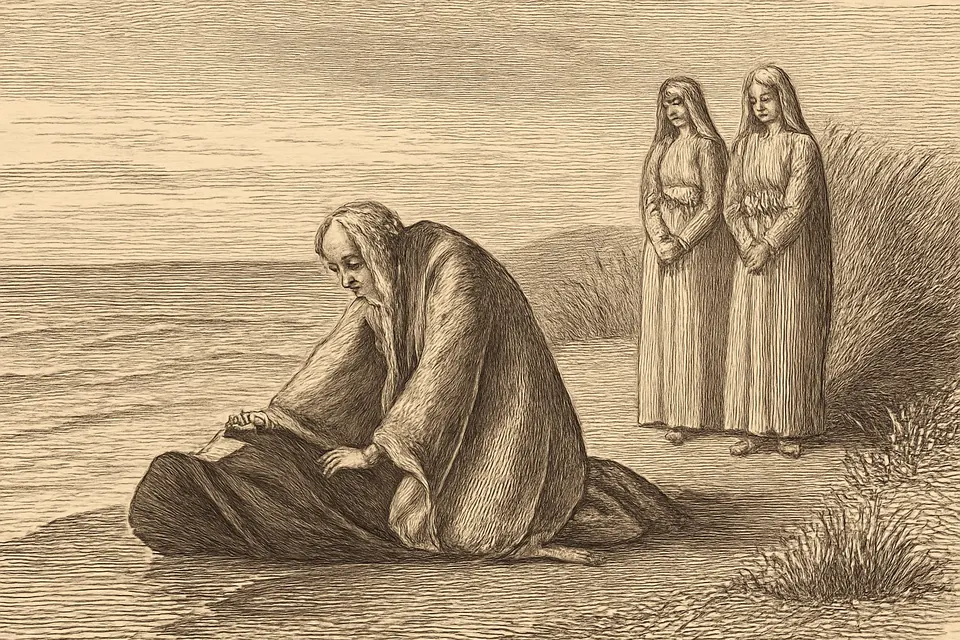
Diocletian then sent for Chrysogonus at Aquileia. The emperor questioned him himself and could not make him deny Christ, so he had him beheaded and his body thrown into the sea. The waves brought the body ashore, where an aged priest named Zoilus found it and buried it in his house. In the Orthodox telling, Chrysogonus then appeared to Zoilus and sent Anastasia to strengthen three young sisters, Agape, Chionia and Irene, before their martyrdom.
Miracles and legends of St. Chrysogonus
- His letters and prophecy to Anastasia (traditional). They belong to the 6th-century legend.
- His appearance to the priest Zoilus (traditional), from the same story as the Orthodox Church keeps it.
- The coming of his relics to Zadar (traditional). Zadar's tradition holds that his relics were brought there in the mid-7th century; Vedriš calls this translation "legendary," while the city's devotion is very real.
No miracle of his has been formally investigated, since he lived long before the Church's canonization process.
Why St. Chrysogonus is the patron of Zadar
The city of Zadar, on the Croatian coast, counts Chrysogonus among its patron saints, and its Benedictine nuns call him "the martyr, patron of the city." The city's Romanesque church of St. Chrysogonus (Sveti Krševan), a three-aisled basilica with three richly decorated apses and Romanesque-Byzantine frescoes inside, is named for him, and tradition holds that his relics came to the city in the 7th century. See other patron saints of cities and places on our patron saints page.

Symbols of St. Chrysogonus in art
St. Chrysogonus appears in two very different ways.
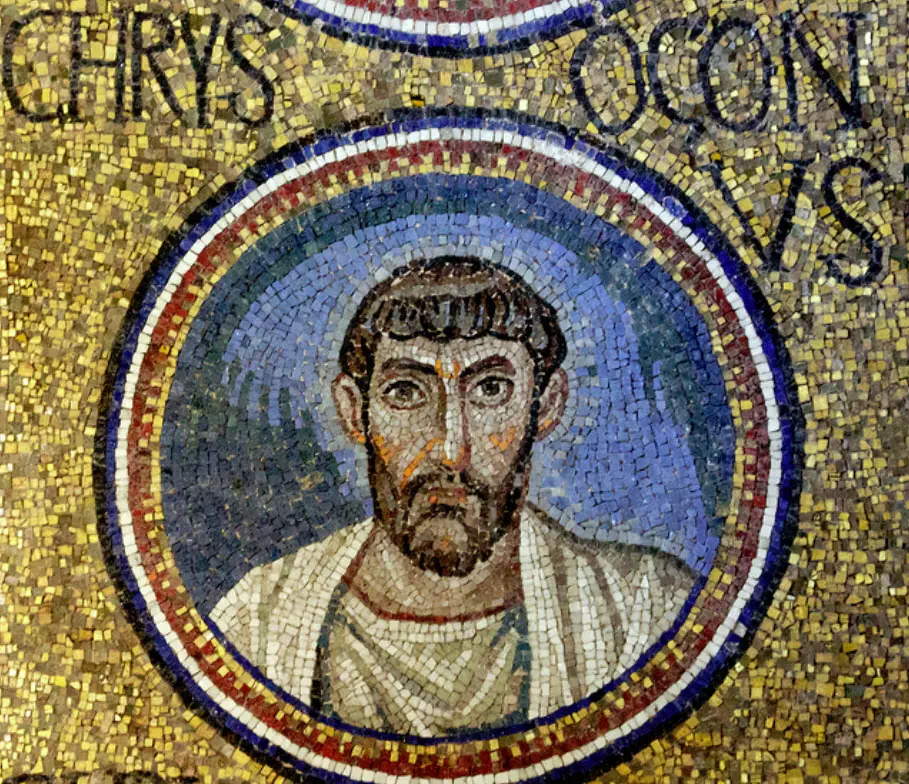
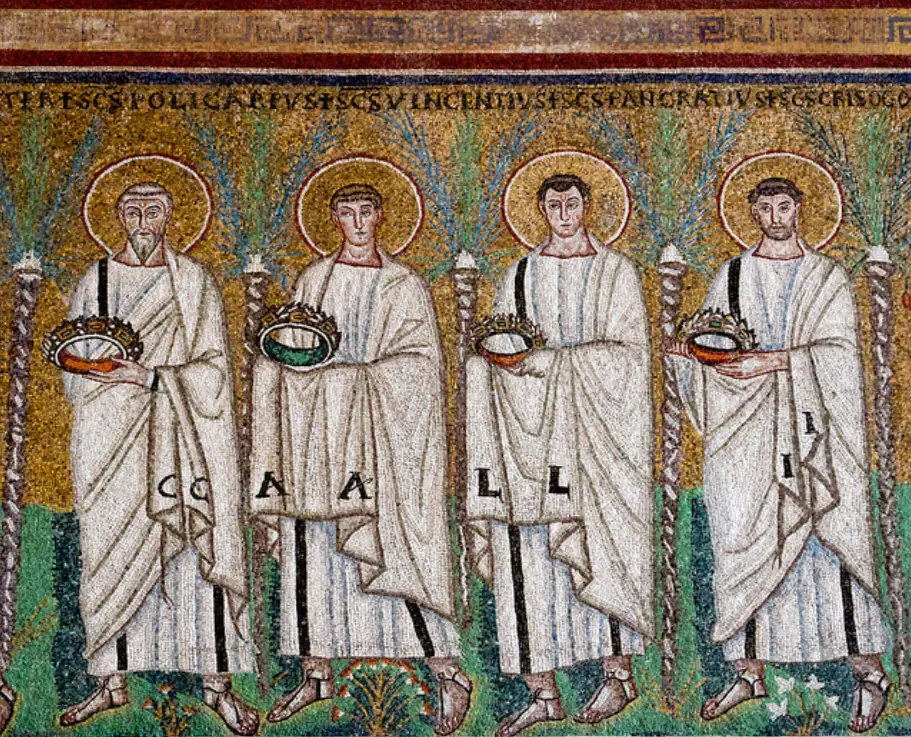
- As an early Christian martyr: in the 6th-century mosaics of Ravenna he wears the white tunic and cloak of a Roman gentleman and carries a martyr's crown in covered hands. In the great procession of martyrs at Sant'Apollinare Nuovo he walks between palm trees with Polycarp, Vincent and Pancras toward Christ.
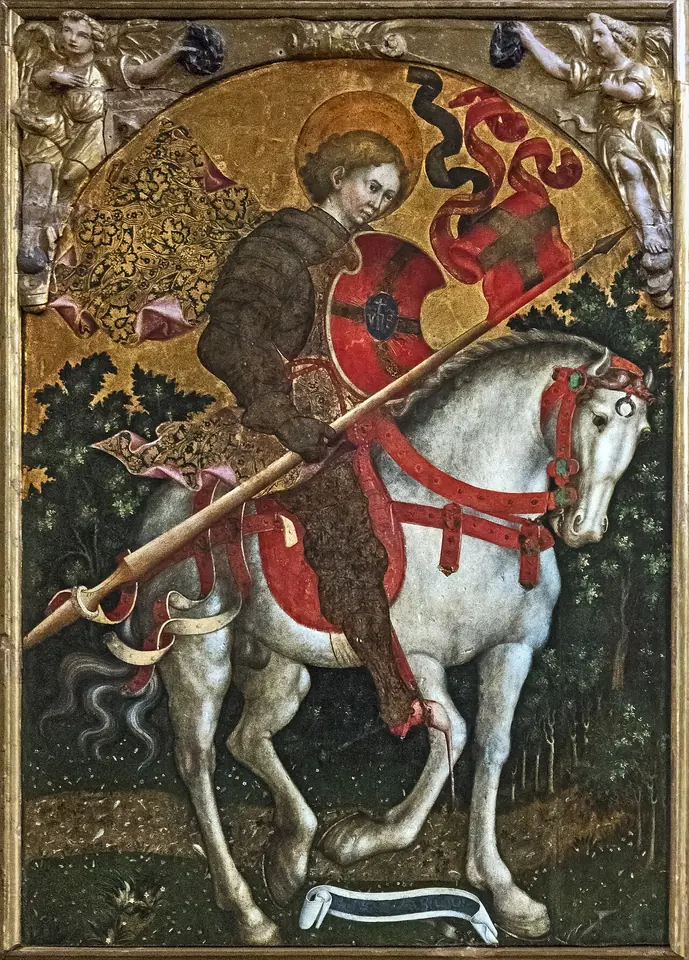
- As a knight on horseback: from the Middle Ages on, Venice and Zadar showed him as a mounted soldier with a lance and banner, much like St. George but without the dragon. Michele Giambono's panel in the church of San Trovaso in Venice is the best known. Medieval glass medallions from Dalmatia show the same rider.
- A book or letters: in scenes from the legend, his letters to Anastasia.
If you see a young armored rider with no dragon in a church of Venice or the Dalmatian coast, it may well be Chrysogonus.
St. Chrysogonus's feast day and relics
We keep his feast on November 24, the day the Roman Martyrology gives for him. It was on the General Roman Calendar until the 1969 reform, which left it to local calendars. He is still named every day in the Roman Canon. The Eastern churches honor him on December 22 with St. Anastasia. See more saints of November on our feast days page.
In Rome, the Basilica of San Crisogono keeps a hand and the top of a skull said to be his, brought there in the 15th century. Santi e Beati records that they were taken away in 1846 and returned in 1850, and that the reliquary was stolen in the 1960s and found a few days later, without its case, at Santa Maria in Trastevere. They are now at the high altar. Other relics are venerated at Zadar.

Prayer to St. Chrysogonus
The oldest prayer that names St. Chrysogonus is the Roman Canon itself. In the Communicantes of Eucharistic Prayer I, the priest calls to mind Mary, Joseph, the Apostles and a list of early martyrs, among them "Lawrence, Chrysogonus, John and Paul, Cosmas and Damian," and asks that through their merits and prayers we may be defended in all things by God's protection.
Let us ask St. Chrysogonus to pray for teachers who encourage others in their faith, for prisoners, and for the people of Zadar and Aquileia.
Frequently asked questions
Who was St. Chrysogonus?
A martyr of Aquileia, in northeastern Italy, killed probably under Diocletian in the early 300s. His veneration spread very early to Rome, where the church of San Crisogono in Trastevere bears his name. A legend from about the 6th century makes him a Roman official who taught and encouraged St. Anastasia by letter before he was beheaded.
Why is St. Chrysogonus in the Eucharistic Prayer?
He is one of the martyrs listed in the Communicantes of the Roman Canon (Eucharistic Prayer I), between Lawrence and John and Paul. His place there reflects how widely he was honored in Rome in the early centuries, thanks to his titular church in Trastevere.
When is the feast of St. Chrysogonus?
November 24 in the Roman Martyrology. The Orthodox Church commemorates him on December 22 together with St. Anastasia.
Why is St. Chrysogonus shown as a knight?
Medieval Venice and Zadar remembered him as a soldier saint, and later legend made him a knight. Michele Giambono's painting in Venice and medieval glass medallions from Dalmatia show him riding a horse with a lance and banner.
Keep exploring
Sources
- J.P. Kirsch, St. Chrysogonus (Catholic Encyclopedia, 1908). The Martyrologium Hieronymianum entries for May 31 and November 24 "in Aquileia"; the Titulus Chrysogoni first named at the Roman Synod of 499; the 6th-century legend with Anastasia and the priest Zoilus; the Greek date of April 16
- Santi e Beati: San Crisogono di Aquileia, vescovo e martire. The Roman Martyrology text; the hand and skull at San Crisogono since the 15th century, removed in 1846, returned in 1850, stolen and recovered in the 1960s; relics in Zadar cathedral; the Ravenna mosaics; Giambono's painting at San Trovaso
- Orthodox Church in America: Great Martyr Anastasia the Deliverer from Poisons, her teacher, Martyr Chrysogonos, and many with them (December 22)
- Trpimir Vedriš, O podrijetlu i najranijem kultu zadarskog zaštitnika Sv. Krševana (Ars Adriatica 4, 2014). Zadar's patron; earliest cult at San Canzian d'Isonzo near Aquileia; the legendary translation of his relics to Zadar in the mid-7th century
- Benedictine Nuns of St. Mary, Zadar: Crkva sv. Krševan. The Romanesque Church of St. Chrysogonus, named for the martyr and patron of the city