Blessed Maria Crocifissa Curcio, Foundress of the Carmelite Missionary Sisters
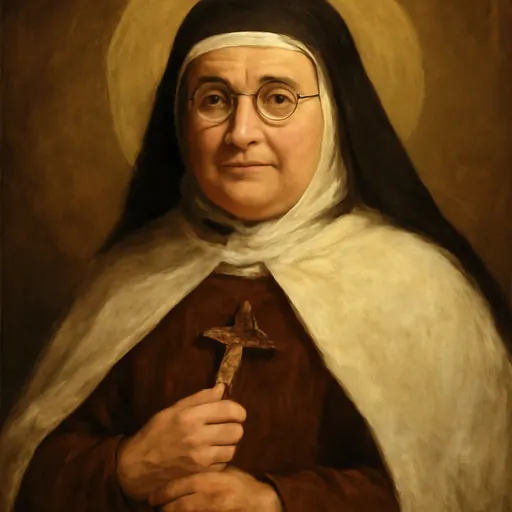
Blessed Maria Crocifissa Curcio (1877–1957) was a Sicilian woman from Ispica who founded the Carmelite Missionary Sisters of St. Therese of the Child Jesus at Santa Marinella, on the coast north of Rome, to care for poor and abandoned children. She was beatified on November 13, 2005, and her feast is July 4.
Who was Blessed Maria Crocifissa Curcio?
Blessed Maria Crocifissa Curcio was a Sicilian woman who spent most of her life trying to start something nobody around her understood: a Carmel that would pray like the cloistered nuns and also go out to the poor. She finally found her place at Santa Marinella, a seaside town north of Rome, where she founded the Carmelite Missionary Sisters of St. Therese of the Child Jesus. She was beatified in St. Peter's Basilica on November 13, 2005, and we keep her feast on July 4.
The life of Blessed Maria Crocifissa
Rosa of Ispica
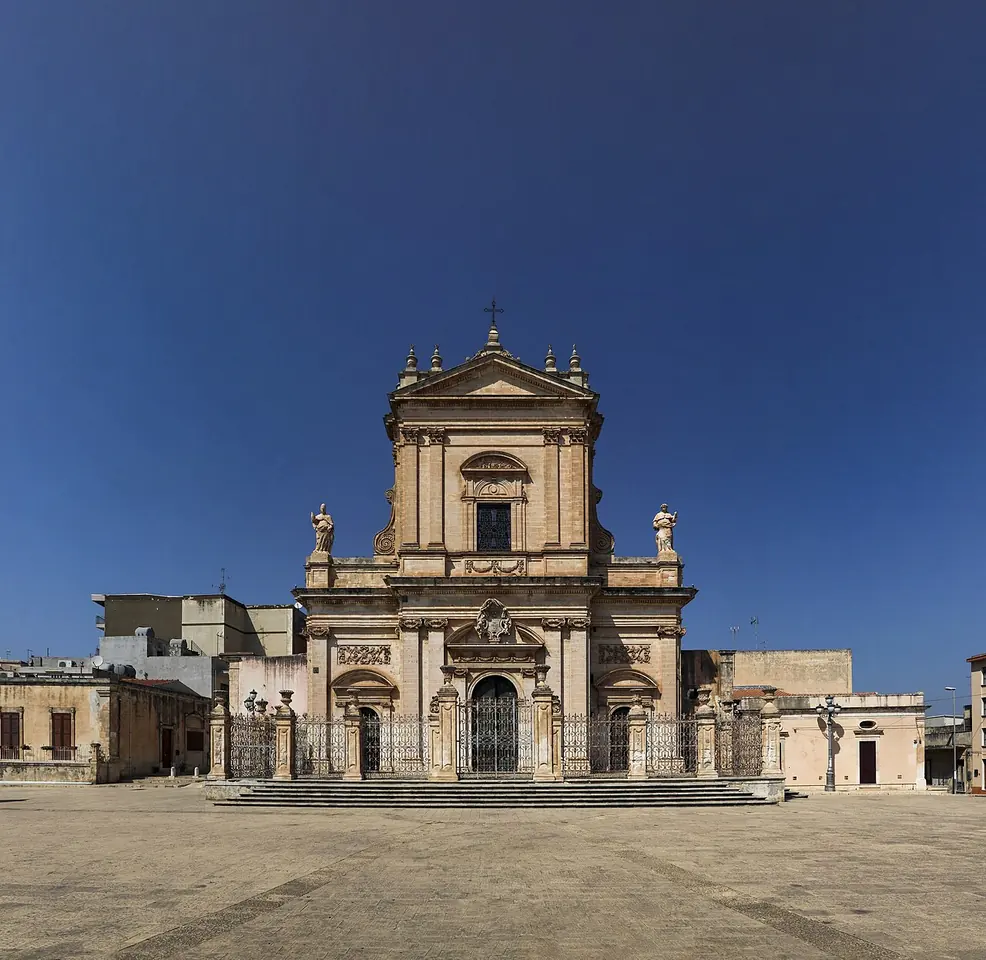
She was born Rosa Curcio on January 30, 1877, in Ispica, in southeastern Sicily, the seventh of the ten children of Salvatore Curcio and Concetta Franzò. Hers was a cultured home, and she was bright and strong-willed. Her father, following the custom of the time, kept her from studying past the sixth grade and held back her wish for a more intense life of faith.
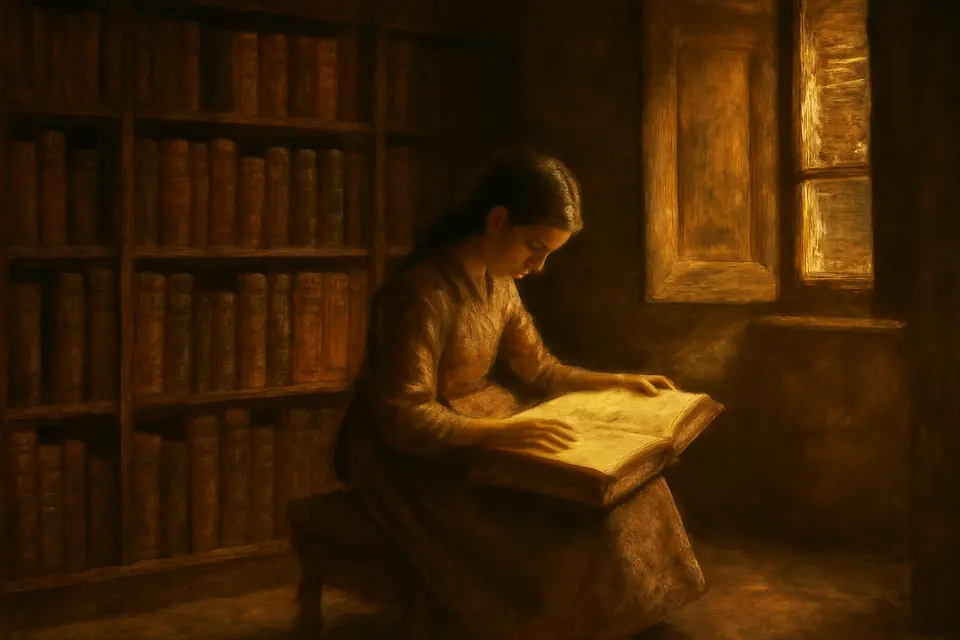
So she read. In the family library she found a Life of St. Teresa of Jesus, and through St. Teresa of Avila she came to love Carmel. In 1890, at thirteen, she managed with some difficulty to join the Carmelite Third Order, newly restored in Ispica. She felt that Our Lady of Mount Carmel, who "had captured her heart since childhood," was giving her a task: "making the Carmel reflourish."
Years of trial
Her first attempts at community life were small: a few tertiaries in an apartment in the family house that her brothers and sisters had left to her. She then moved to Modica to run the "Carmela Polara" home for orphaned and needy girls, hoping to make them "worthy women who would be useful to themselves and to society." For years she sought official support from the local Church and did not receive it.
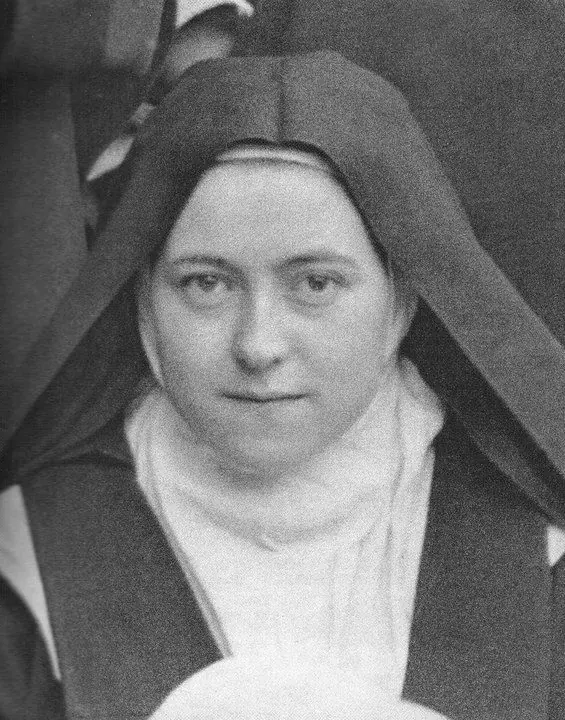
The turn came through a Carmelite friar, Fr. Lorenzo van den Eerenbeemt, who understood her idea of a missionary Carmel. On May 17, 1925, she came to Rome for the canonization of St. Thérèse of Lisieux. The next day Fr. Lorenzo took her to Santa Marinella, a small coastal town in Lazio. She was struck by its beauty and by the deep poverty of many of its families, and she knew she had arrived.
The missionary Carmel
With the spoken permission of Cardinal Antonio Vico, bishop of Porto-Santa Rufina, she settled at Santa Marinella on July 3, 1925. On July 16, 1926, the feast of Our Lady of Mount Carmel, her little community was affiliated with the Carmelite Order. In 1930 Cardinal Tommaso Pio Boggiani erected the Carmelite Missionary Sisters of St. Therese of the Child Jesus as a diocesan congregation.
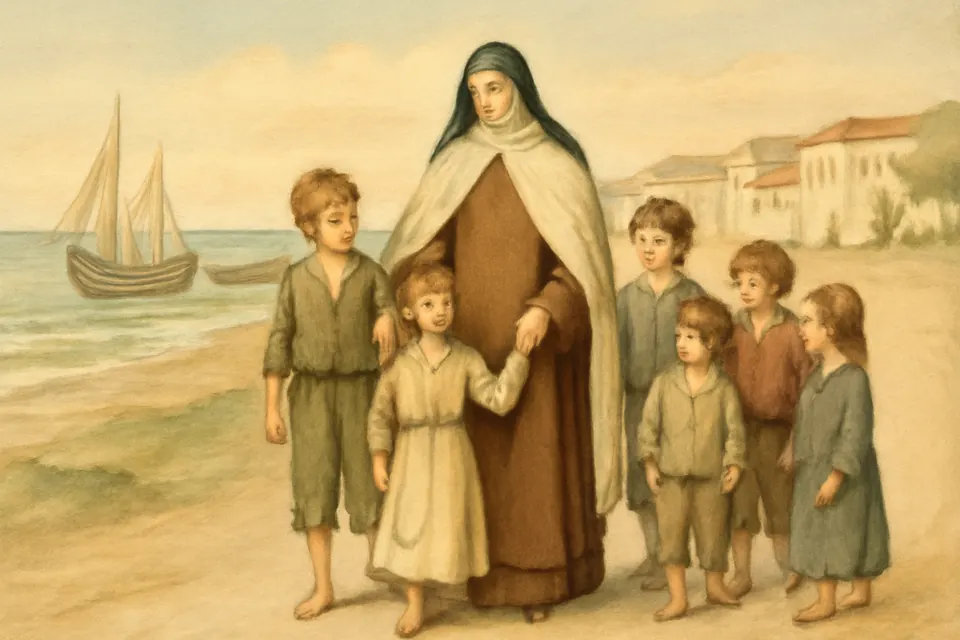
Her sisters opened schools and charitable homes, especially for poor and abandoned young people. She told them to love the young "with holiness" and to spend themselves "freeing in them the gold from the mud." In 1947, as Italy rose from the ruins of the war, she sent the first sisters to Brazil with the charge to "never forget the poor."
Illness and death
All her life she was in poor health, and diabetes weighed on her last years. She accepted it calmly and kept praying and giving herself to her sisters. She died at Santa Marinella on July 4, 1957. By then her congregation was in Italy, Brazil and Malta; it later went to Canada, Tanzania, the Philippines and Romania.
Her beatification
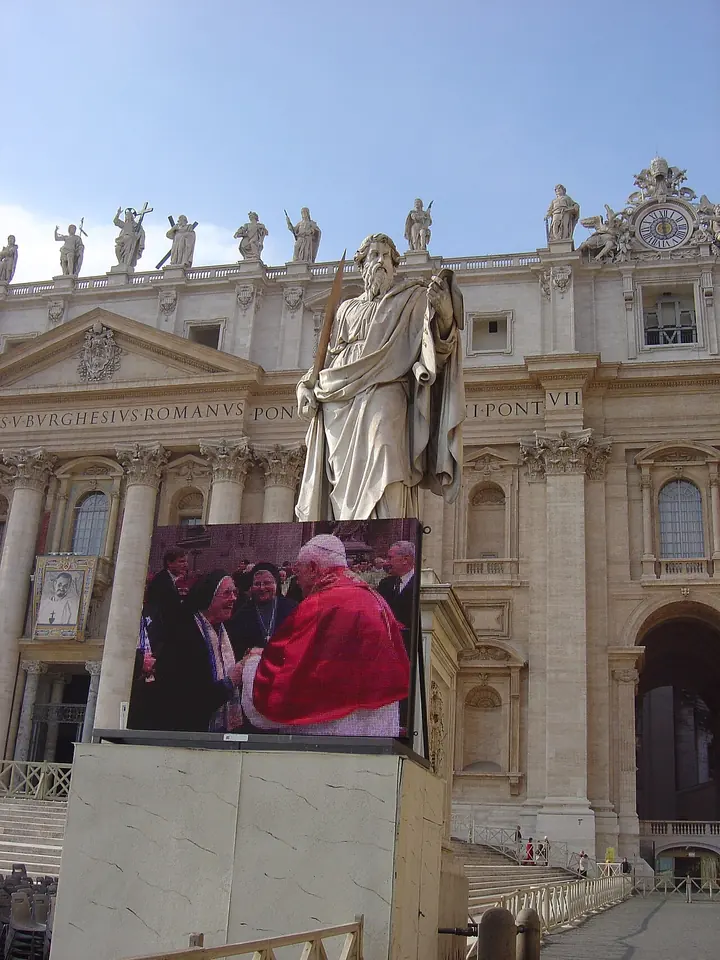
Her cause opened in 1989 in the Diocese of Porto-Santa Rufina. Pope John Paul II declared her Venerable on December 20, 2002, and on December 20, 2004, approved a miracle attributed to her intercession, an approved miracle examined by the Congregation for the Causes of Saints. She was beatified in St. Peter's Basilica on November 13, 2005, in the same rite as Charles de Foucauld and Maria Pia Mastena. At the Angelus that day Pope Benedict XVI greeted the pilgrims and asked that the prayers of the three new Blesseds accompany them.
Symbols of Blessed Maria Crocifissa in art
Mother Crocifissa lived into the 1950s and was photographed, so her images follow her real features: a sturdy older woman with a determined face. She is shown in:
- The Carmelite habit, brown scapular and white mantle: the dress of her missionary Carmel.
- A crucifix: her religious name means "Mary Crucified," and she offered her sufferings with Christ, whom she called "the Great Martyr of Love."
- Children: for the orphaned and poor girls she sheltered from Modica onward.
- A book: for the Life of St. Teresa that first led her to Carmel.
Feast day and where she is honored
We keep her feast on July 4, the day she died. The Carmelite family honors her alongside St. Thérèse, whose "little way" she gave her sisters: doing even the smallest deeds "with love and dedication." Her sisters keep her memory at Santa Marinella, where the congregation began, and in her hometown of Ispica. See more on our feast days page and on Our Lady of Mount Carmel.
Praying with Blessed Maria Crocifissa
We have not found an official English prayer to Blessed Maria Crocifissa, so we do not print one. Her own prayer was a constant conversation with Jesus, and she wanted her daughters to be "eucharistic daughters, and daughters that know how to pray." Let us ask her intercession for neglected and abandoned children, for those who live with diabetes and chronic illness, for every woman whose call is slow to be understood, and for the Carmelite missionaries who carry on her work. Blessed Maria Crocifissa Curcio, pray for us.
Frequently asked questions
Who was Blessed Maria Crocifissa Curcio?
Rosa Curcio, born in Ispica, Sicily, in 1877, joined the Carmelite Third Order at thirteen and spent decades trying to start a community that would join Carmelite prayer with active care for poor girls. In 1925 she settled at Santa Marinella near Rome, where her congregation took root. She died there in 1957.
When is the feast of Blessed Maria Crocifissa Curcio?
July 4, the day she died in 1957.
What did Blessed Maria Crocifissa Curcio found?
The Carmelite Missionary Sisters of St. Therese of the Child Jesus, erected as a diocesan congregation in 1930. At her death they worked in Italy, Brazil and Malta, and they later went to Canada, Tanzania, the Philippines and Romania.
Why is her congregation named for St. Therese of Lisieux?
She loved the Little Flower, came to Rome for her canonization on May 17, 1925, and found her own path the next day at Santa Marinella. She took Thérèse's way of doing small things with love as a rule for her sisters.
Keep exploring
Sources
- Maria Crocifissa Curcio (1877-1957), biography (Holy See). Family, schooling limited to the sixth grade, Third Order in 1890, Modica, Santa Marinella, 1930 erection, Brazil 1947, diabetes and death
- Bl. Maria Crocifissa Curcio, Virgin (m), Order of Carmelites (archived). Her sayings 'making the Carmel reflourish', 'never forget the poor' and 'freeing in them the gold from the mud'; where the congregation was at her death
- Hagiography Circle: 1957. Dates of the cause: heroic virtues December 20, 2002; miracle decree December 20, 2004; beatification November 13, 2005
- Angelus, 13 November 2005 (Benedict XVI). The Pope names her among that morning's three new Blesseds