Pope St. Leo II, the Pope of the Sixth Ecumenical Council
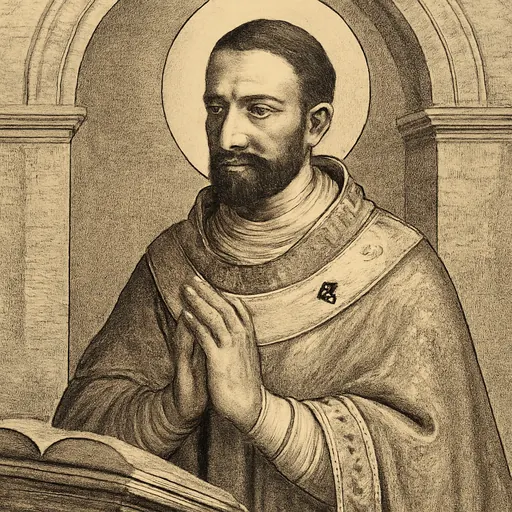
Pope St. Leo II was a Sicilian who served as pope for less than a year, from August 682 to his death in June 683. He confirmed the Third Council of Constantinople, which taught that Christ has a human will as well as a divine will, and sent its decrees to the bishops of the West. We keep his feast on July 3.
Who was Pope St. Leo II?
Pope St. Leo II was a Sicilian, the son of a man named Paul, who was elected pope early in 681 and died in the summer of 683. He reigned as a consecrated pope for less than a year. In that short time he did the one thing his age needed most from Rome: he confirmed the Sixth Ecumenical Council and made its teaching known to the whole West. His contemporary biographer in the Liber Pontificalis calls him both just and learned. We keep his feast on July 3.
His election came a few days after the death of Pope St. Agatho on January 10, 681. He was not consecrated until August 17, 682, a year and seven months later. The delay came from Constantinople. In those years a new pope could not be consecrated until the emperor confirmed his election, and the Catholic Encyclopedia judges that ongoing talks over that very custom, and the tax popes had paid at their consecration, held things up.
The Sixth Ecumenical Council
For half a century the Church had been divided by Monothelitism, the teaching that Christ has only one will. The faithful answer, defended by St. Sophronius of Jerusalem and by St. Maximus the Confessor, who died in exile for it in 662, is that Christ has a divine will and a truly human will, freely obedient to the Father. The Third Council of Constantinople (680–681), presided over by Agatho's legates, taught exactly that.
This is not a dry point. In Gethsemane Jesus prayed, "not my will, but thine be done" (Luke 22:42, Douay-Rheims). If Christ had no human will, that prayer would be play-acting. Because He has a human will, His obedience in the garden and on the cross is the real obedience of a man, offered for us, and our own wills can be healed by joining them to His. Every time we pray "thy will be done," we stand on the ground this council defended.
Leo confirmed the council's decrees and told the emperor so. Then he sent them west. His letters to the king, bishops and nobles of Spain still survive. In them he explained what the council had done and asked the bishops to sign its decrees. A synod at Toledo accepted the council in 684.
Leo and Pope Honorius
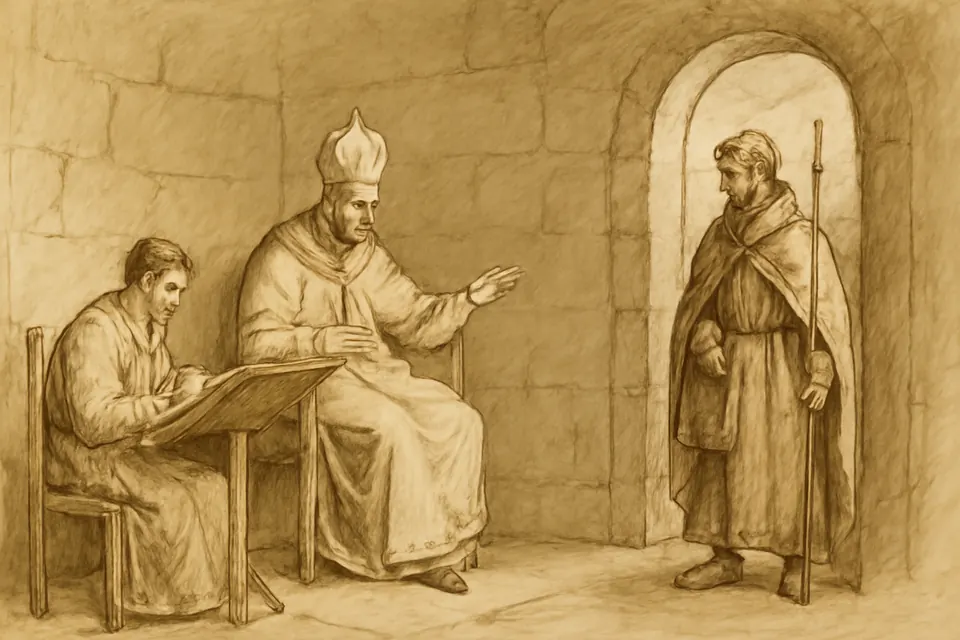
The council had also condemned Pope Honorius I, who had died in 638, for his part in the controversy. Leo confirmed this too, but he chose his words with care. According to the Catholic Encyclopedia, he made it plain that he condemned Honorius not for teaching heresy but because he was not active enough in opposing it.
Ravenna and the relics of the martyrs
The archbishops of Ravenna, where the emperor's governors lived, had long wanted to be independent of Rome. Leo persuaded the emperor to revoke the decree that had granted them this. At the same time he made peace: he abolished the fee the archbishops paid when they received the pallium, and agreed that a new archbishop need stay in Rome only eight days for his consecration.
Perhaps because he feared the Lombards might again plunder the catacombs, Leo moved many relics of the martyrs out of them and into a church he built to receive them.

The miracles of St. Leo II
We know of no miracles attributed to Leo II, and we will not invent any. The Church remembers him for his faithfulness to the truth about Christ and for his care for the martyrs' relics.
Symbols of St. Leo II in art
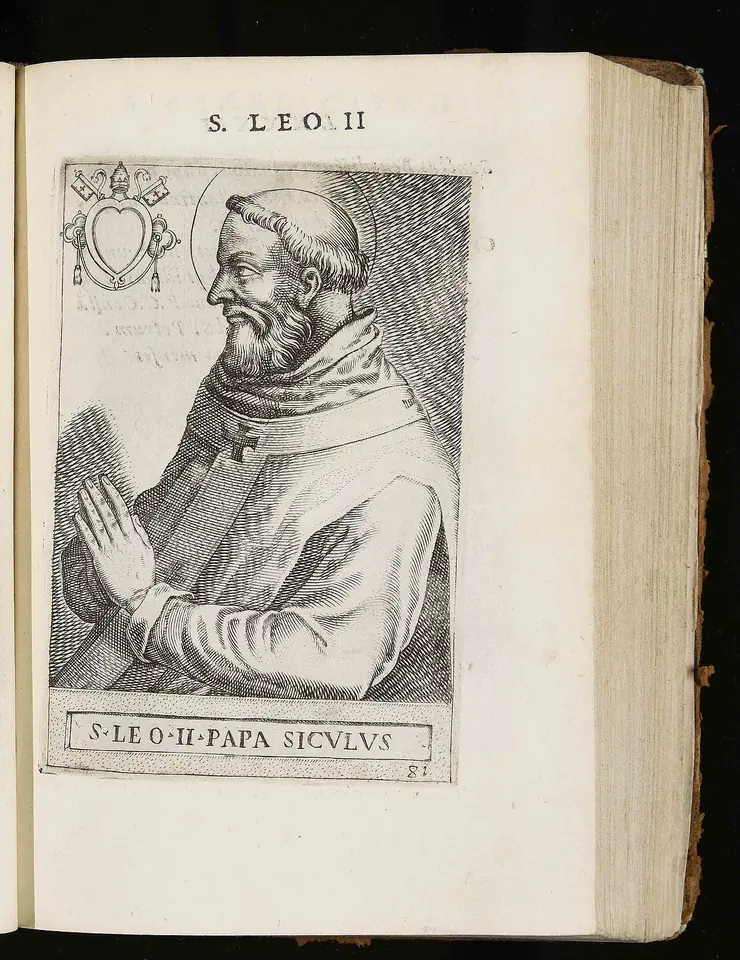
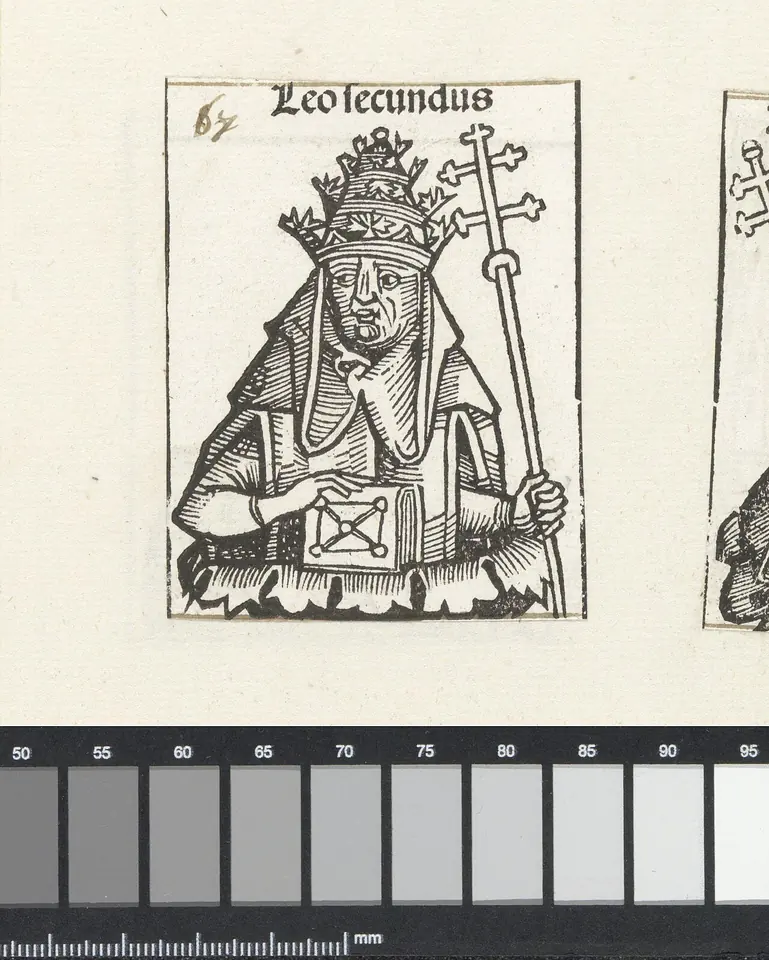
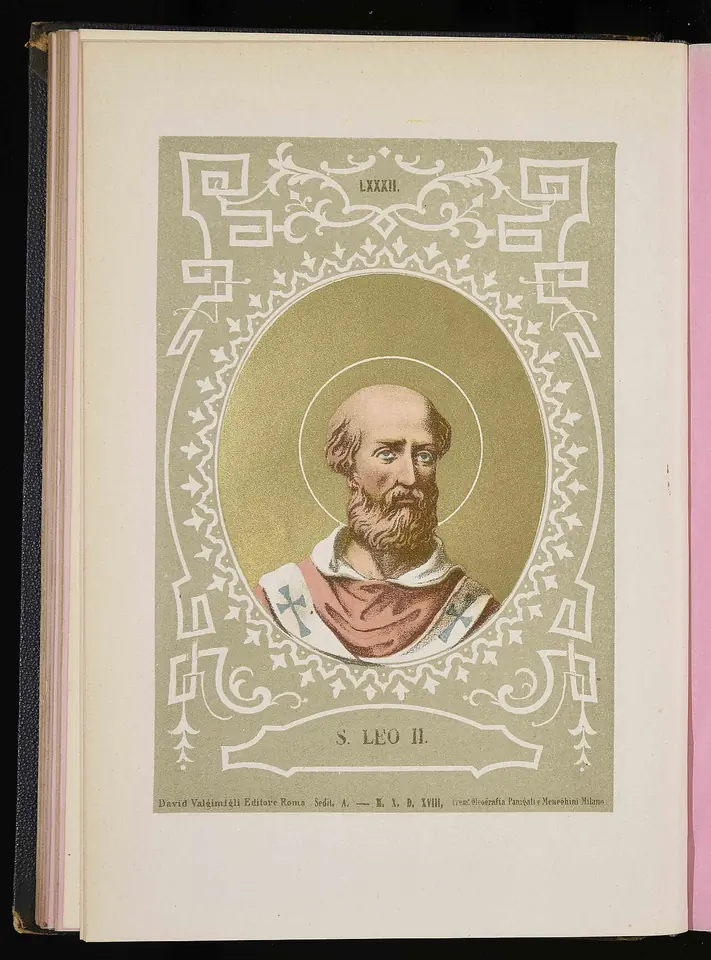
Leo II has no attribute of his own. He appears in the long series of papal portraits: in the Nuremberg Chronicle of 1493 with the triple tiara, a book and a double-cross staff; in Cavalieri's engravings of 1580 in profile, praying; in the colored Milan prints of 1879 with a halo. Look for his name, S. Leo II, written with the image.
Feast day, relics and prayer
Leo II died on June 28, 683, and the Roman Martyrology of 1916 names him on that day. His feast was long kept on July 3, which is the day we honor him. According to the Catholic Encyclopedia, his relics rest in St. Peter's Basilica together with those of St. Leo the Great, St. Leo III and St. Leo IV.
There is no traditional prayer to him in common use. The transcriber of his Catholic Encyclopedia article closed it with a simple petition, and we can make it our own: "O Saint Leo, and all ye holy Pontiffs, pray for us." Let us ask St. Leo II to pray that the Church may always confess Christ, true God and true man, without fear.
Frequently asked questions
Who was Pope St. Leo II?
A Sicilian, the son of a man named Paul, elected pope in 681 and consecrated on August 17, 682. His contemporary biographer called him just and learned. He died on June 28, 683.
What did Pope Leo II do?
He confirmed the Sixth Ecumenical Council (Constantinople III, 680–681), which condemned Monothelitism, and sent its decrees to the West. He also settled a dispute with the archbishops of Ravenna and moved martyrs' relics from the catacombs into a church in Rome.
What did Leo II say about Pope Honorius?
In confirming the council, he condemned his predecessor Honorius I. According to the Catholic Encyclopedia, Leo made clear that Honorius was condemned not for teaching heresy but for not opposing it firmly enough.
When is the feast of St. Leo II?
July 3, the day his feast was traditionally kept. He died on June 28, which is where the older Roman Martyrology names him.
Keep exploring
Sources
- Catholic Encyclopedia (1910): Pope St. Leo II. His origin, the delayed consecration, the council, Honorius, his letters to Spain, Ravenna, the relics, and the old July 3 feast
- The Roman Martyrology (1916 English edition), June 28. His listing on June 28
- Catholic Encyclopedia (1910): Pope St. Leo III. The relics of the four Leos together in St. Peter's