St. Henry II, Holy Roman Emperor
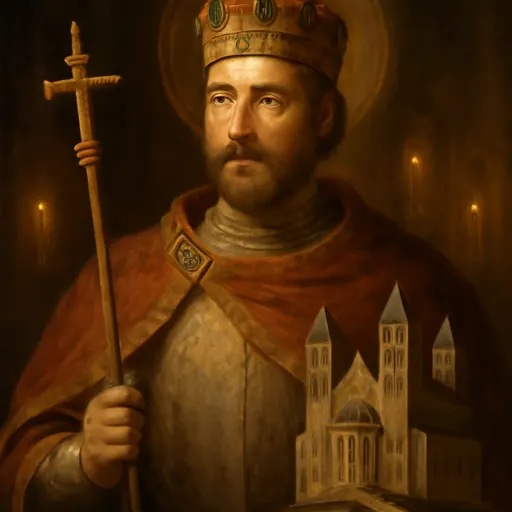
St. Henry II, Holy Roman Emperor (972–1024) was duke of Bavaria, king of Germany from 1002 and emperor from 1014. He founded the diocese of Bamberg, supported monastic reform and the Church's synods, and was buried in Bamberg Cathedral beside his wife, St. Cunigunde. Pope Eugene III canonized him in 1146. His feast is July 13.
Who was St. Henry II, Holy Roman Emperor?
St. Henry II was the last emperor of the Saxon line and the only German ruler the Church has raised to the altars together with his wife. Duke of Bavaria from 995, he was elected king of Germany in 1002 and crowned emperor in St. Peter's in Rome by Pope Benedict VIII on February 14, 1014. He died at his palace of Grone, near Göttingen, on July 13, 1024, and was buried in the cathedral of Bamberg, the diocese he founded. We keep his feast on July 13.
He was a ruler, not a monk, and the Catholic Encyclopedia describes him honestly as "an eminently sober man, endowed with sound, practical common sense," who fought many wars and kept a firm hand on the bishops of his realm. What made him holy was how he carried that power: with prayer, generosity to the Church and the poor, and a habit of humbling himself before God.
Early life
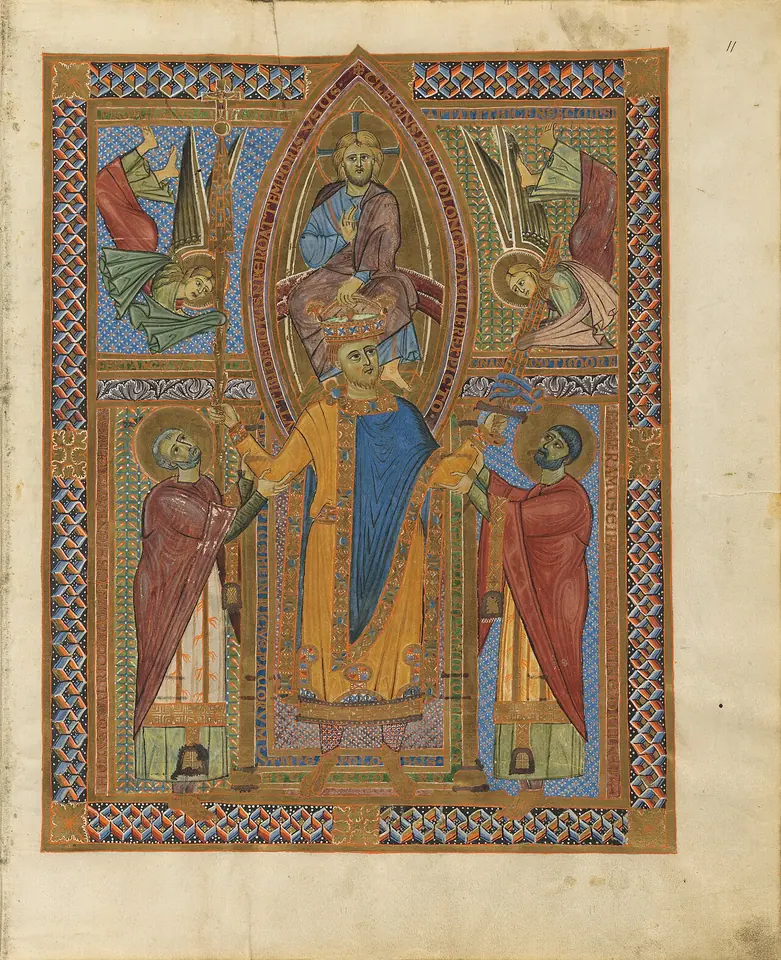
Henry was the son of Duke Henry of Bavaria, called the Quarrelsome, and of Gisela of Burgundy. His sister, also Gisela, married St. Stephen of Hungary. As a boy he was educated for the Church, at Hildesheim and in Bavaria, and Butler says he was taught by the holy bishop of Regensburg, St. Wolfgang. That training stayed with him. When his father died in 995 he inherited Bavaria instead of a cloister, and about 998 he married Cunigunde of Luxembourg.
King and emperor
When his cousin Otto III died young in 1002, Henry won the throne against rivals and was crowned at Mainz. He spent his reign on the move, fighting Duke Bolesław of Poland in the east, rebels in Lorraine, and Arduin of Ivrea in Italy, who had taken the Lombard crown. The Catholic Encyclopedia notes that even "sick and suffering from fever, he traversed the empire in order to maintain peace."

He called synods to reform the clergy, supported the monastic renewal spreading from Cluny, and restored the see of Merseburg. Butler says that when the emperor heard the canons of Strasbourg sing the Divine Office, he so wished to stay among them that he endowed a canonry for someone to pray in his place.
Bamberg
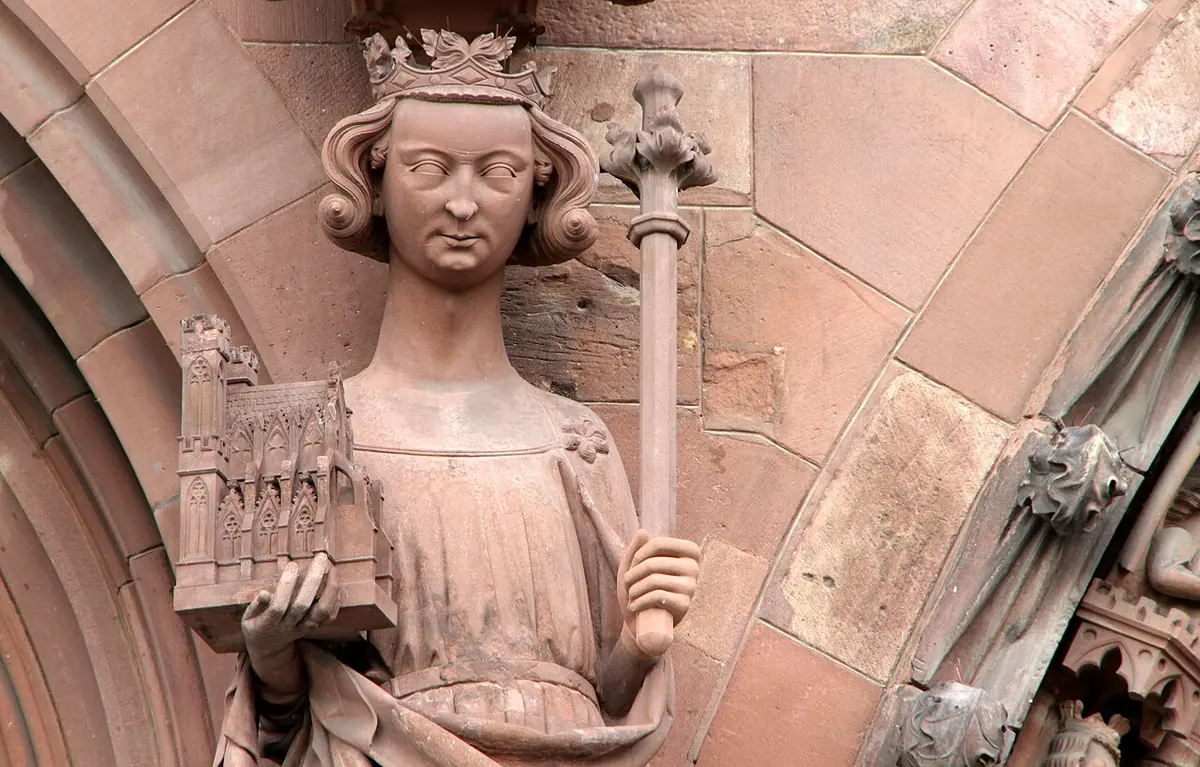
In 1007, over the protests of the bishop of Würzburg, Henry founded the diocese of Bamberg and endowed it generously from his own lands. He had already begun building its cathedral, dedicated to St. Peter. Bamberg was meant to bring the faith to the Slavs settled along the Main and Regnitz rivers, and its schools soon made it a center of learning. It is still the city most closely tied to his memory.
The monk who was sent back to rule
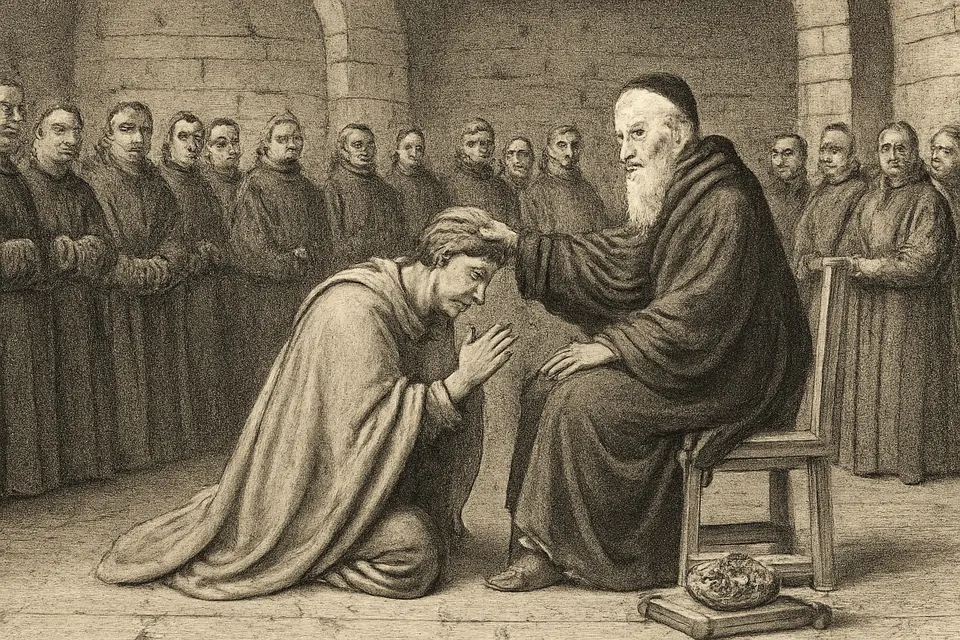
A well-known story explains why Benedictine oblates claim him. Late in life Henry came to the abbey of St. Vanne at Verdun and asked to become a monk. In the form usually told, Abbot Richard asked whether he would promise obedience. When the emperor said yes, the abbot commanded him, under that obedience, to go back and govern the empire God had entrusted to him. Butler gives the short version: Henry meant to retire to St. Vanne "but he was diverted from carrying this project into execution, by the advice of Richard the holy abbot of that house." The Heiligenlexikon adds that Henry was received as a lay brother of the monastery of Cluny.
Henry and Cunigunde
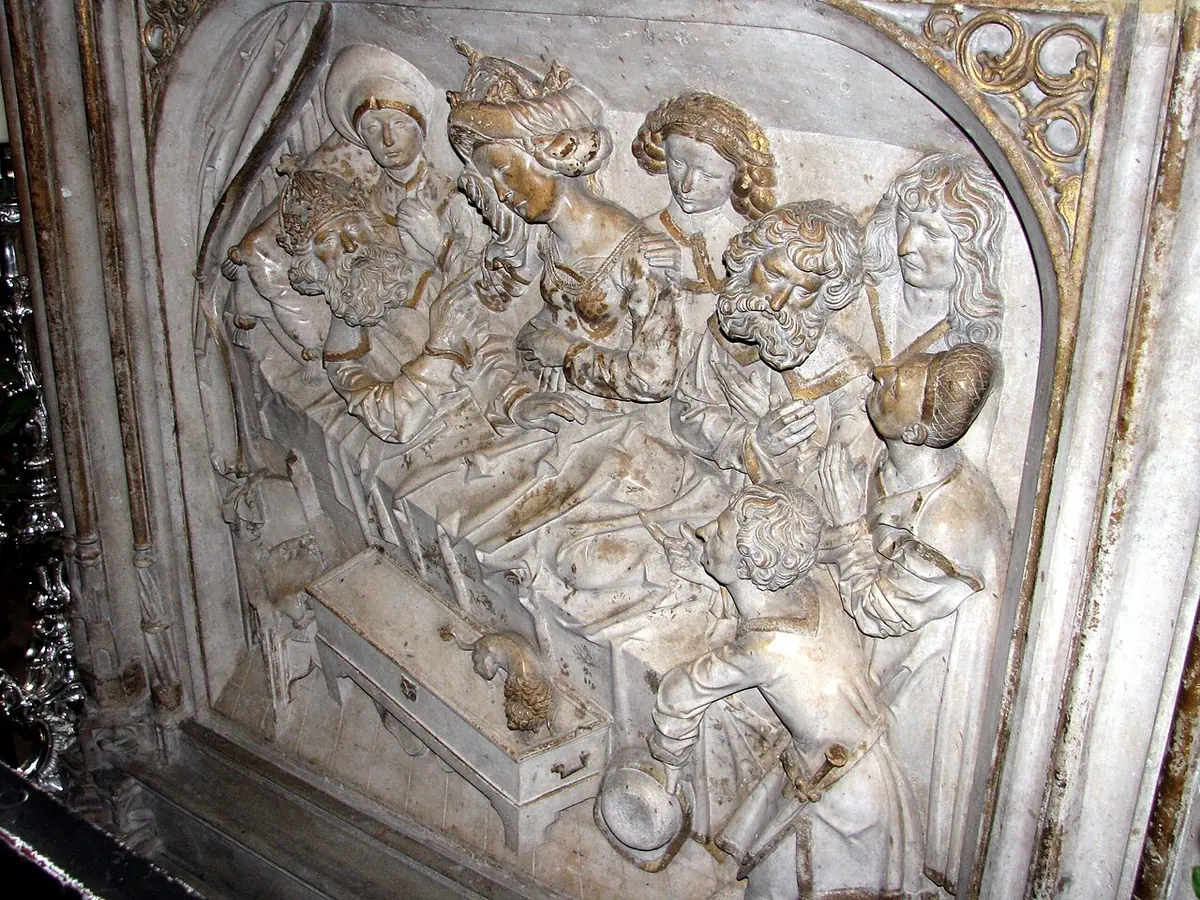
The couple had no children. Later legend made them a virgin couple and told how Cunigunde, falsely accused of adultery, walked unharmed over red-hot plowshares. Butler repeats both stories. The Catholic Encyclopedia, writing as historians must, says the theme of a virgin marriage "has certainly no basis in fact." We can honor them as a husband and wife who used their wealth for God's Church and were buried side by side. Cunigunde was canonized in 1200.
Miracles and canonization
Butler says Henry was lame in his last years from a painful illness in his thigh, which is why some lists name him a patron of people with disabilities. Tradition, labeled here as traditional, tells of miracles at his tomb, and a famous medieval legend from Merseburg says that when his soul was weighed after death, St. Lawrence threw onto the scale a gold chalice Henry had given to the church, and the balance tipped toward heaven. Pope Eugene III canonized him in 1146. Butler gives the year as 1152, but the Catholic Encyclopedia has 1146, and the Heiligenlexikon dates the canonization to March 4, 1146.
Symbols of St. Henry in art
- Imperial crown, scepter and orb: he is shown as an emperor.
- A model of a church: usually Bamberg Cathedral, sometimes Basel Minster, for the churches he founded.
- A sword: his duty to defend the Church and his people.
- A lily: a sign of purity, tied to the legend of his marriage.
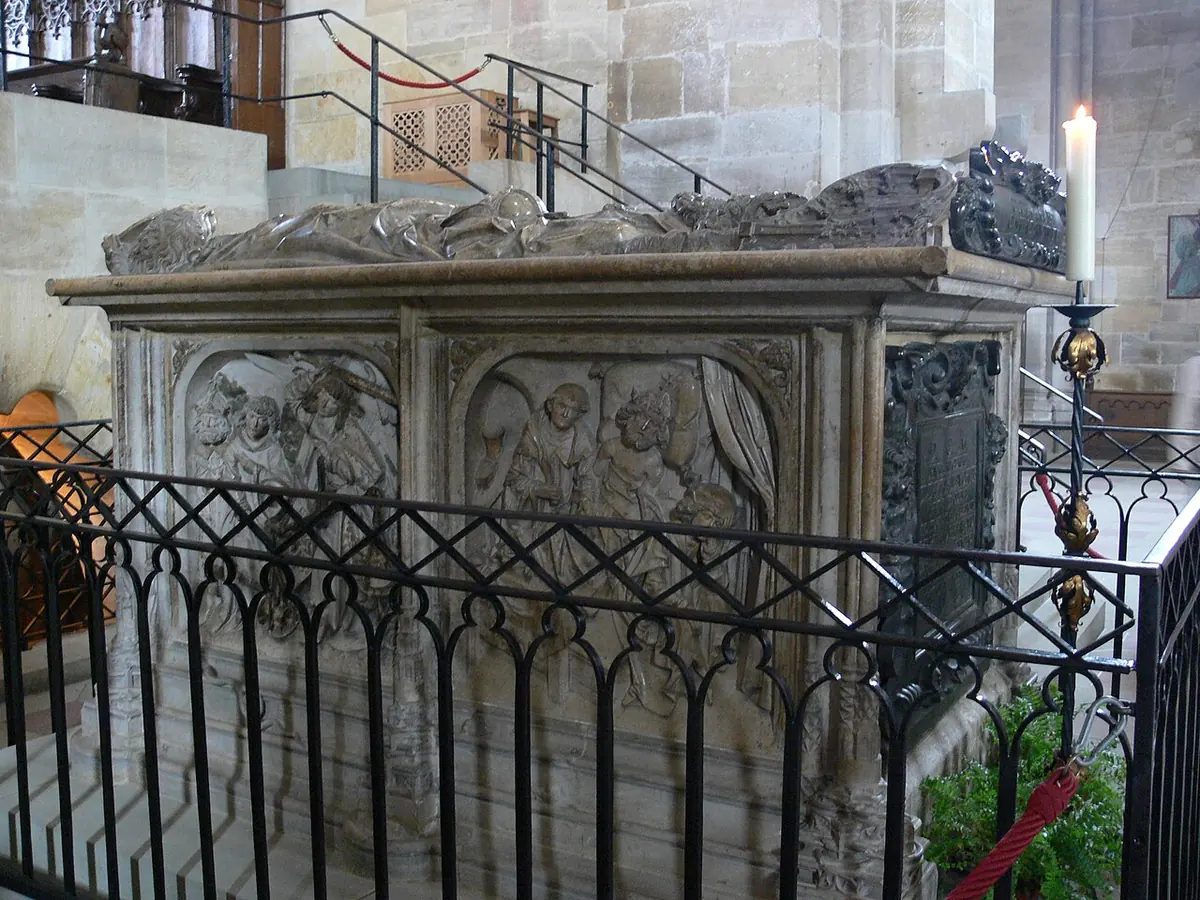
He is often paired with St. Cunigunde, who may hold a plowshare. Riemenschneider's tomb in Bamberg, finished in 1513, tells the legends of both in relief.
Prayer to St. Henry
There is no widely used traditional prayer to St. Henry in English. Let us ask his help for all who hold power: St. Henry, emperor and servant of Christ, who governed in obedience to God, pray for our leaders, for married couples, and for all who serve the Church in the world. His feast is on our feast day calendar on July 13.
Frequently asked questions
When is the feast of St. Henry II?
July 13, the day he died in 1024. It is an optional memorial in the General Roman Calendar and a solemnity in the Archdiocese of Bamberg.
Is St. Henry II the patron saint of Benedictine oblates?
Yes, by long tradition. He was received as a lay brother of the monastic community at Cluny, and an old story tells how he asked to become a monk at the abbey of St. Vanne at Verdun, and the abbot sent him back to rule his empire under obedience.
Did St. Henry and St. Cunigunde live in a celibate marriage?
Later legend says so, and Butler repeats it. The Catholic Encyclopedia judges that the story of the virgin marriage "has certainly no basis in fact." What is certain is that the couple had no children.
Where is St. Henry II buried?
In Bamberg Cathedral, which he built, in a tomb he shares with St. Cunigunde. The carved tomb chest is the work of Tilman Riemenschneider.
Keep exploring
Sources
- Catholic Encyclopedia (1910): St. Henry II. Birth, death at Grona, imperial coronation of February 14, 1014, the virgin-marriage legend and canonization in 1146
- Alban Butler, The Lives of the Fathers, Martyrs, and Other Principal Saints, vol. 7: July (Project Gutenberg). The canonry at Strasbourg, St. Vanne at Verdun, his lameness and the traditional account of his piety
- Ökumenisches Heiligenlexikon: Heinrich II.. Canonization on March 4, 1146; the Merseburg chalice legend; Cluny; patronage of Bamberg and Basel