St. Carolina Santocanale, St. Mary of Jesus of Cinisi

St. Carolina Santocanale (1852 to 1923), in religion Mother Mary of Jesus, was a noblewoman of Palermo who served the poor of Cinisi, a small town in Sicily. She founded the Capuchin Sisters of the Immaculate of Lourdes and opened an orphanage and schools. Pope Francis canonized her on May 15, 2022. Her feast is January 27.
Who was St. Carolina Santocanale?
St. Carolina Santocanale, known in religious life as Mother Mary of Jesus, was a Sicilian noblewoman who left the comfort of a baronial family in Palermo to live among the poor of a country town. She founded the Capuchin Sisters of the Immaculate of Lourdes, cared for orphans, the sick and young girls, and spent her free hours, and much of her nights, before the Blessed Sacrament. Pope Francis canonized her on May 15, 2022.
The Dicastery for the Causes of Saints quotes Pope Francis's summary of her life (in our translation from the Italian): she "left behind her comforts and made herself poor among the poor. From Christ, above all in the Eucharist, she drew the strength for her spiritual motherhood and her tenderness toward the weakest."
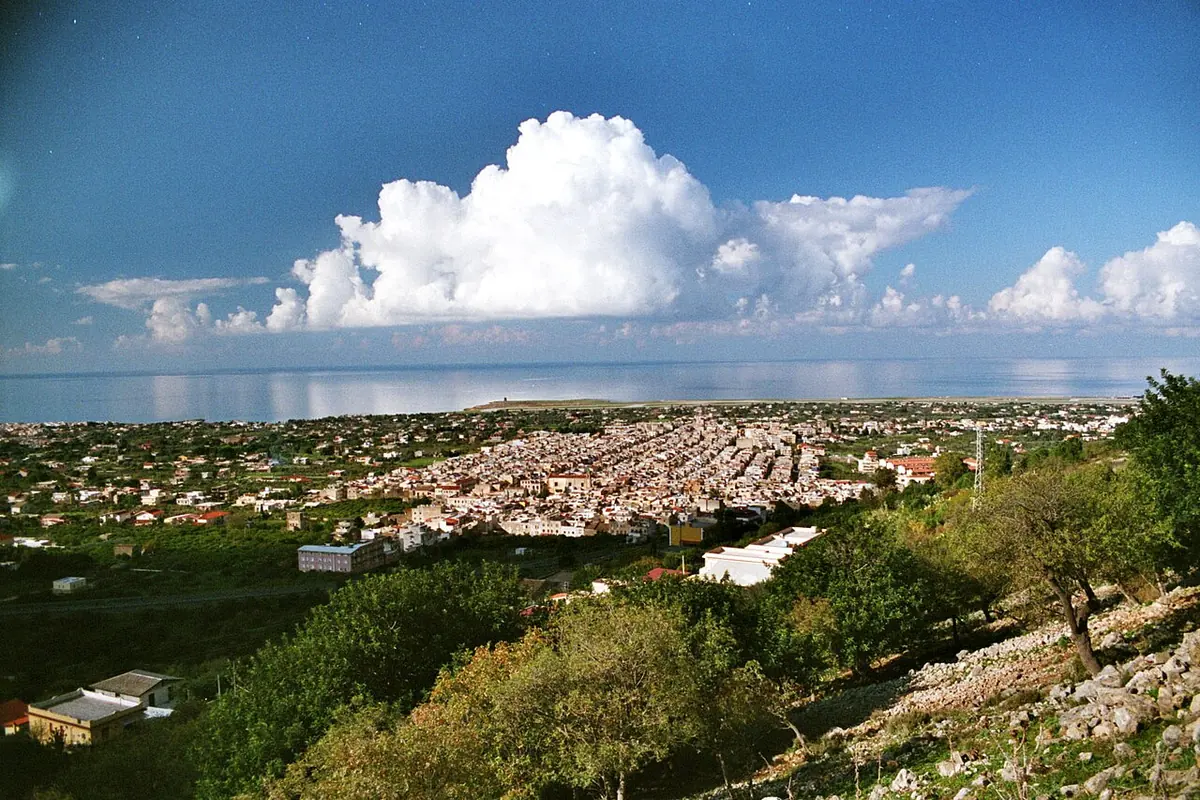
The life of St. Carolina Santocanale
A daughter of Palermo
Carolina was born in Palermo on October 2, 1852, the daughter of Giuseppe Santocanale, of the Barons of Celsa Reale, and Caterina Andriolo Stagno. She was baptized two days later as Carolina Concetta Angela. Her mother, a devout and kind woman, shaped her faith. Two governesses taught her at home, including music, art and French; she never earned a diploma.
At nineteen she told her parents she wanted to give her life to God as a nun. Her father would accept a devout daughter but not a religious one, and he refused. She stayed in the world and served where she could. In her parish of Sant'Antonio Abate in Palermo, the pastor founded a Pious Union of the Daughters of Mary and made her its director. She led it for about fifteen years.

Cinisi
Carolina often stayed at her grandparents' house in Cinisi, a town west of Palermo in the Archdiocese of Monreale, and nursed her dying grandfather there. The archpriest of Cinisi, Father Mauro Venuti, became her spiritual director. She had always dreamed of the cloister, but she saw how many people in Cinisi lacked care and schooling, and she chose works of charity instead. She began by teaching the catechism to two girls and a disabled young man.
In 1884 a severe pain in her legs kept her in bed for sixteen months, the first of many illnesses she bore patiently all her life. When she recovered, she embraced a more radical Franciscan way of life on Father Venuti's advice and moved to Cinisi for good. On June 13 of that year she received the black habit of the Regular Franciscan Tertiaries and took the name Sister Mary of Jesus. The townspeople called her "la Signora," the Lady, because of her noble birth, and they were won over by how humbly she went from house to house visiting the sick.
A house of prayer and charity
Other young women joined her. On February 11, 1891, the anniversary of the first apparition at Lourdes, the little community moved into the house that had been her grandparents'. She made simple vows on January 6, 1892, and obtained permission for an oratory where Mass could be said and the Eucharist reserved. From then on, the Dicastery's biography says, she spent all her free moments, and part of each night, before the tabernacle.
Between March and June 1896 the sisters opened an orphanage, followed by a nursery, a boarding school and a sewing workshop for girls. In 1908 she placed in the chapel an image of the Immaculate Virgin of Lourdes with St. Bernadette, a devotion close to her heart.

Foundress
The Capuchin friar Father Giovanni Maria Schiavo met the sisters while preaching a retreat. He wrote their constitutions, had the community joined to the Capuchin Order, and worked for its approval as a diocesan institute. In 1910 Sister Mary of Jesus was declared foundress of the Capuchin Sisters of the Immaculate of Lourdes, and the sisters put on a brown habit like the friars'. She made her religious profession on February 11, 1911. New houses followed at Belmonte Mezzagno, Termini Imerese and Carini, and several of the children in the sisters' care later became priests or religious.
Her last years brought real suffering: surgery, and painful decisions by a new Archbishop of Monreale that she accepted in obedience. The misunderstandings were cleared up in January 1923. That same month, weakened by angina, she died on January 27, calling on the Lord, Our Lady and St. Joseph, whom she fondly called her "Vecchierello," her dear old man.
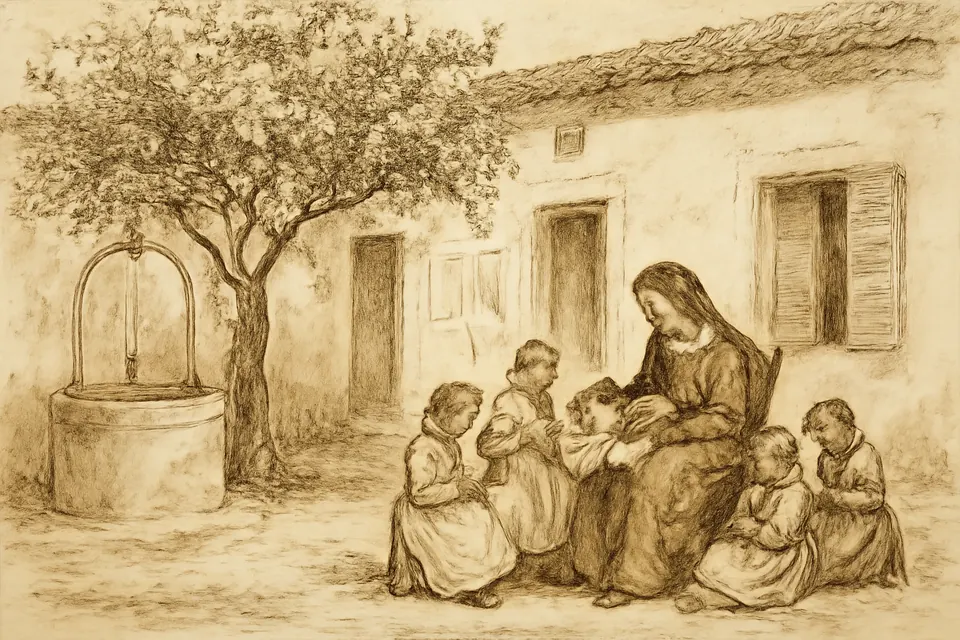
The miracles of St. Carolina Santocanale
Both miracles accepted for her cause are approved, examined by medical and theological experts and confirmed by the pope.
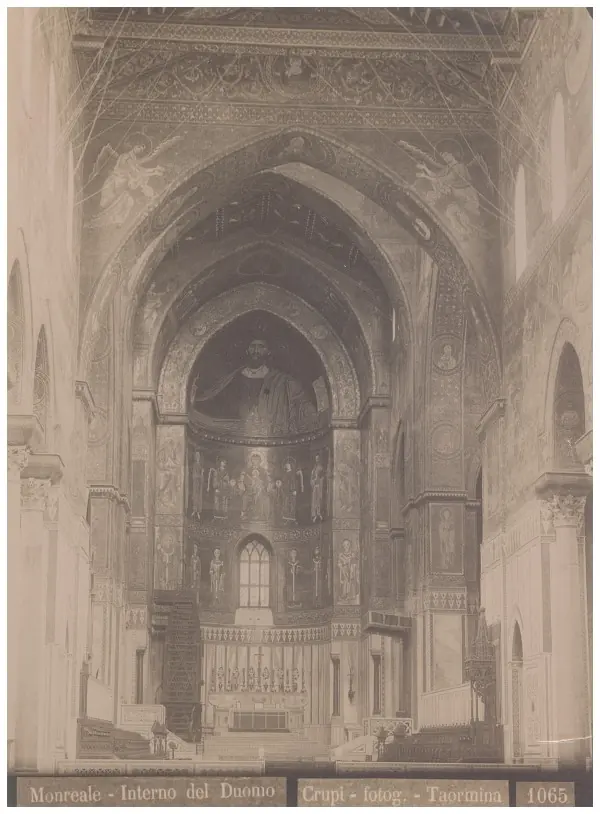
- For beatification: on September 19, 2003, at Cinisi, a young laborer building the sisters' new chapel, the chapel that would receive her remains, fell 11 meters onto concrete. He suffered no fatal injury and no serious damage to his organs or bones. Pope Francis approved the miracle on December 14, 2015, and she was beatified in Monreale Cathedral in June 2016.
- For canonization: a young wife suffering from myasthenia gravis, Hashimoto's thyroiditis and an autoimmune infertility recovered completely. In December 2016 she found she was pregnant and gave birth to a healthy child; about six months later she conceived again and had a second healthy baby. The medical board found the recovery scientifically inexplicable, and Pope Francis approved the miracle on November 25, 2021.
Symbols of St. Carolina Santocanale in art
She is a modern saint, and her images are photographs and devotional portraits rather than old paintings. Look for:
- The brown Capuchin habit of her congregation, with a dark veil.
- The Eucharist or a tabernacle, the center of her prayer.
- Our Lady of Lourdes, to whom she dedicated her sisters.
- Children, for the orphans and girls she cared for.
Feast day
We keep her memory on January 27, the day she died. Her congregation and the people of Cinisi honor her especially at the sisters' chapel, where her remains rest. See our feast days page for other saints of January.
Prayer to St. Carolina Santocanale
Her sisters keep their own prayers for her intercession, but we have not found an English text from an official source to reproduce here. Let us ask St. Mary of Jesus to pray for couples who long for children, for orphans and the sick, and for all who are called, as she was, to leave comfort behind and find Christ among the poor.
Frequently asked questions
Who was St. Carolina Santocanale?
An Italian noblewoman born in Palermo in 1852 who became Mother Mary of Jesus and founded the Capuchin Sisters of the Immaculate of Lourdes at Cinisi, near Palermo. She cared for the sick, orphans and poor girls, and died in 1923.
When was St. Carolina Santocanale canonized?
On May 15, 2022, by Pope Francis in St. Peter's Square, together with St. Charles de Foucauld, St. Titus Brandsma, St. Devasahayam and six others. She had been beatified at Monreale Cathedral in June 2016.
What miracles were approved for her canonization?
Two. For beatification, a young laborer survived an 11-meter fall onto concrete in 2003 without fatal or serious injury. For canonization, a young wife with myasthenia gravis, Hashimoto's thyroiditis and proven infertility recovered and gave birth to two healthy children.
When is the feast day of St. Carolina Santocanale?
January 27, the day she died at Cinisi in 1923.
Keep exploring
Sources
- Dicastery for the Causes of Saints: Maria di Gesù Santocanale (1852-1923). Official biography, the history of the cause, both approved miracles, the canonization date and the January 27 memorial; Pope Francis's words quoted here are our translation
- Pope Francis, Homily for the Canonization of May 15, 2022 (vatican.va). The ten saints canonized that day in St. Peter's Square