Blessed Stephen Bellesini, Augustinian Teacher and Pastor of Genazzano
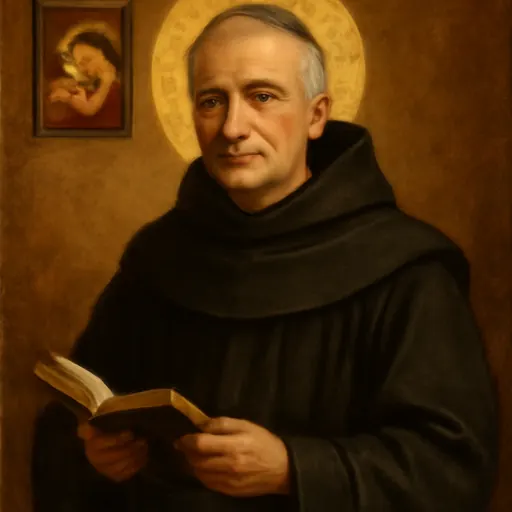
Blessed Stephen Bellesini (1774–1840) was an Augustinian friar from Trent who, when his convent was suppressed, opened a free school for poor children. He later became parish priest at the shrine of Our Lady of Good Counsel in Genazzano, where he died on February 2, 1840, after catching an illness while visiting the sick. Pius X beatified him in 1904.
Who was Blessed Stephen Bellesini?
Blessed Stephen Bellesini was an Augustinian friar who lived through the upheavals of the French Revolution and Napoleon. Driven out of his monastery in Trent, he became a teacher of poor children and then the director of all the schools of his city. When his order was restored, he left that honored post to return to the cloister, and his native city exiled him for it. He spent his last years as novice master and parish priest at Genazzano, the shrine of Our Lady of Good Counsel near Rome, where the people called him the "Father of the Poor." He died there on February 2, 1840, after catching an illness while caring for the sick.
The life of Blessed Stephen Bellesini
A boy of Trent
He was born Luigi Giuseppe Bellesini at Trent on November 25, 1774, when the city belonged to the Austrian lands. Father Constantine Kempf, writing in 1916, says the family traced its descent from a Doge of Venice and that his mother bore a German name, Mary Ursula Meinchembeck. The parish priest let the devout boy make his first Communion at seven.
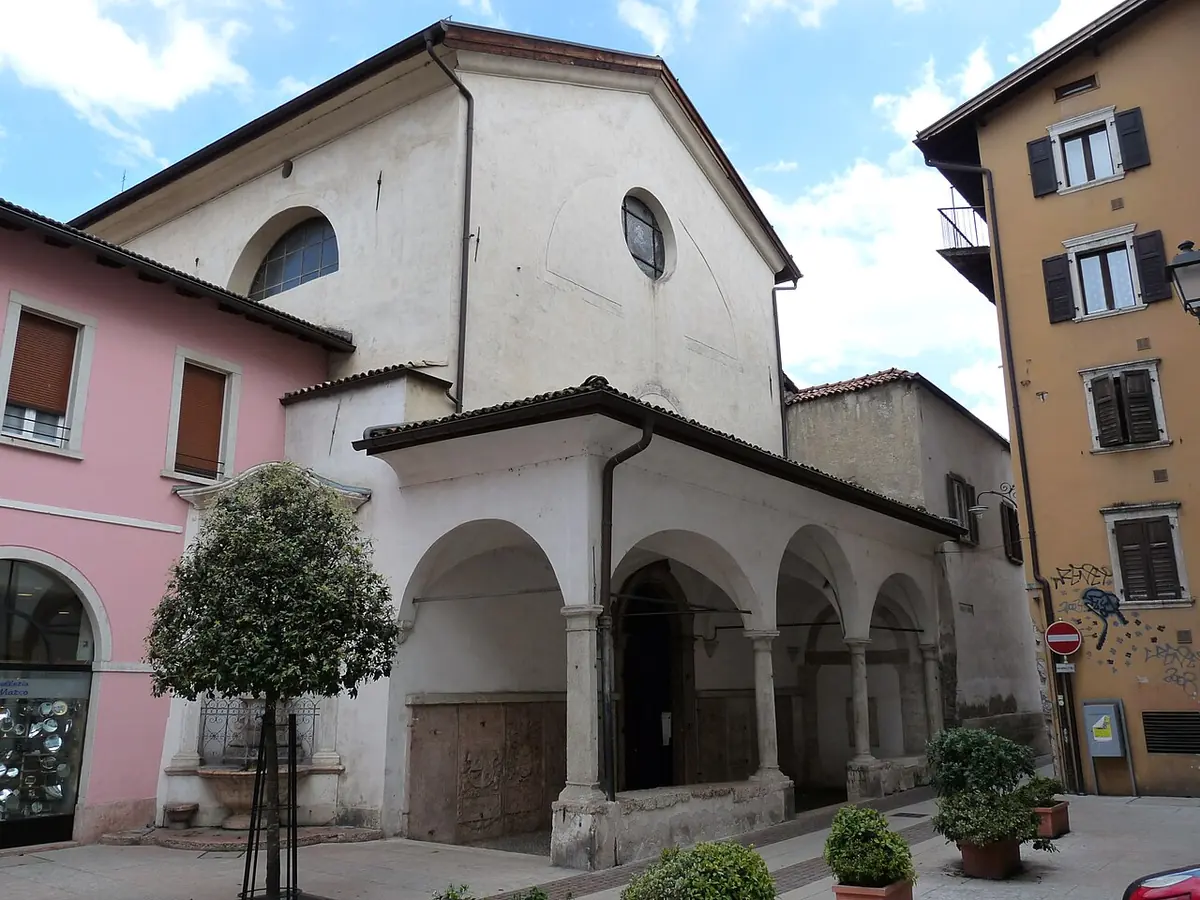
At sixteen, after overcoming his father's objections, he asked to enter the Augustinian convent of San Marco in Trent and took the name Stephen. He made his novitiate in Bologna and studied philosophy in Rome. While he was studying theology in Bologna, the revolutionary army entered the city, and as a subject of Austria he had to go home. He was ordained a priest toward the end of 1797.
Teacher of the poor
For a while he lived quietly at San Marco. Then the suppressions of the Napoleonic years closed the Augustinian houses, and the friars had to part. Stephen went home to his mother, who was overjoyed, and with a cousin from the same convent he kept the Augustinian rule in the family house.
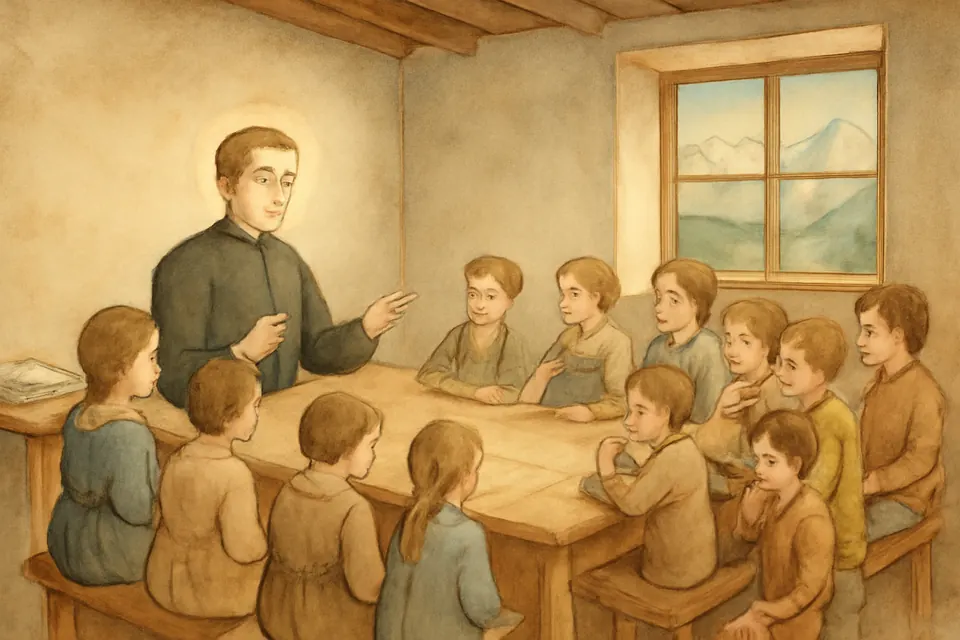
A new state "normal school" had been opened in Trent, one that taught the young nothing of God. At his own expense Stephen started a school of his own, and gave the poorest pupils food and clothing as well as lessons. Parents sent their children to him. His opponents asked the government to close his school; the magistrates of Trent decided in his favor instead, and for years the direction of the city's schools lay in his hands, as inspector of schools.
Back to the cloister
In 1817, with the Augustinians being restored, Stephen went quietly to Rome to put himself at the disposal of his superior general. Trent wanted him back and offered him more money. The Midwest Augustinians give his answer: "Before his altar, I have solemnly promised to be faithful to those vows." The city council then had the Austrian government banish him for life and strip him of his rights and honors.
He became master of novices, and his brothers remembered him as cheerful, humble and given to long hours of prayer. The novitiate moved to Genazzano in 1826.
Pastor at Genazzano
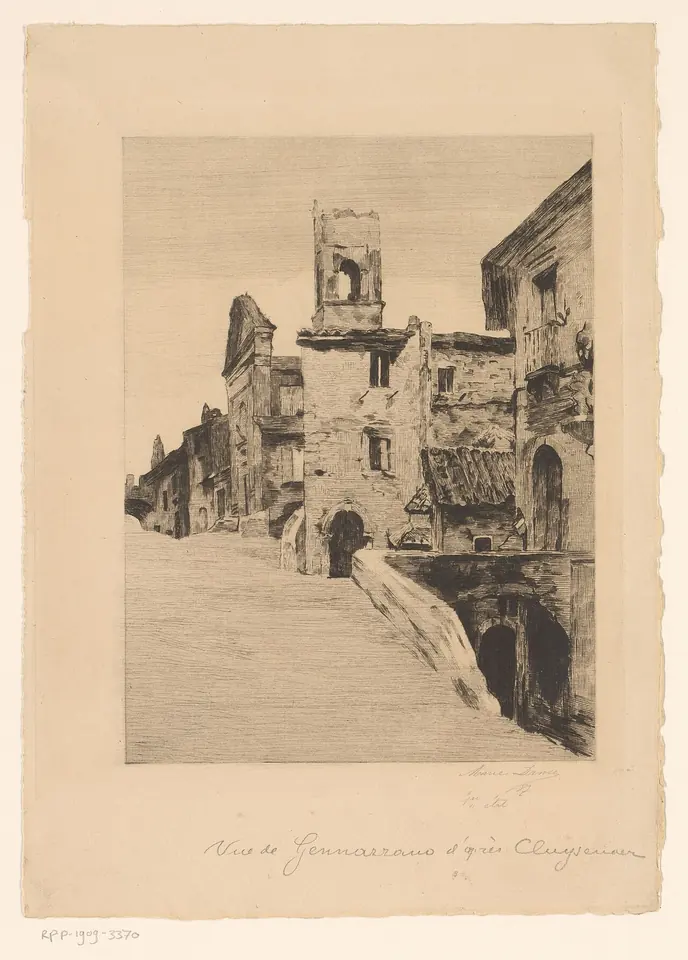
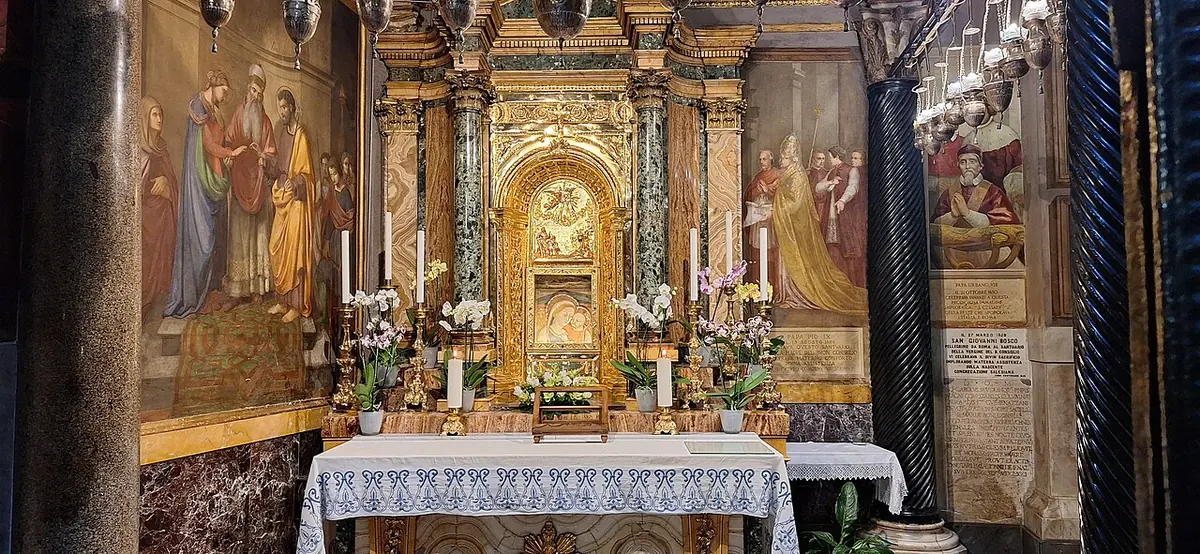
Genazzano is the hill town east of Rome whose Augustinian church holds the much-loved fresco of Our Lady of Good Counsel. For the last ten years of his life Stephen had charge of the church and its parish. The poor were his first concern, and the town gave him the name "Father of the Poor."
Death on a sick call
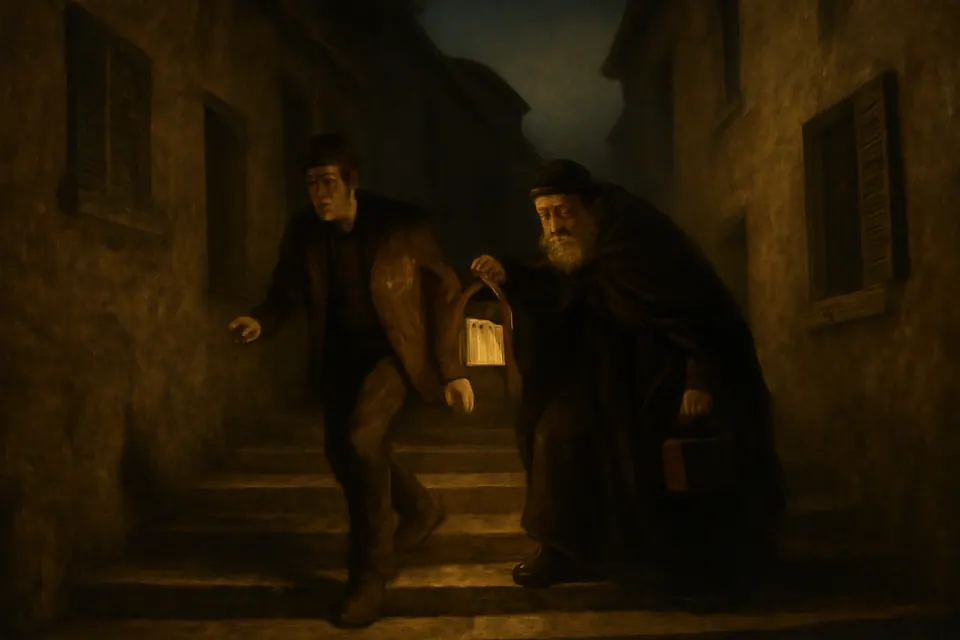
Early in 1840 an epidemic broke out in Genazzano. Stephen went to every hovel where he could bring help, though he had an open wound on his leg; the Midwest Augustinians say it came from a fall on the way to a sick parishioner. He caught the illness. Kempf says the news of his coming death filled him with open joy, and that he foretold its day and hour: the evening of Candlemas, February 2, 1840.
Miracles and beatification
Writing in 1884, Monsignor George Dillon said Genazzano was "full of the fame of his miracles." He had seen a child who was saved, through Stephen's intercession, when falling from the wall of the church. Father Berio, who came to Genazzano two years after Stephen's death, saw a lame man cured at his tomb. Dillon adds that years after his death his body was found perfectly incorrupt. These are reported wonders as Dillon recorded them; the cures examined for his beatification were the Church's approved miracles, but we have not found their details to describe here. Pope Pius X declared him Blessed late in 1904.
Symbols of Blessed Stephen Bellesini in art
- The black Augustinian habit: his order.
- Children around him: the free school of Trent.
- The Madonna of Good Counsel: the image he served at Genazzano.
- A sick person or a lantern: the sick call that cost him his life.
Feast day and prayer
We keep his memory on February 2, the day of his death, and the Augustinians honor him on February 3. See our feast days calendar. We know of no traditional English prayer to Blessed Stephen. Let us ask him to pray for teachers and Catholic schools, for parish priests, and for all who nurse the sick in time of epidemic.
Frequently asked questions
Who was Blessed Stephen Bellesini?
An Augustinian priest born in Trent in 1774. Forced out of his monastery by the suppressions of the Napoleonic era, he taught poor children for free and became superintendent of Trent's schools, then gave it all up in 1817 to return to his order. He spent his last years as pastor at Genazzano.
How did Blessed Stephen Bellesini die?
During an epidemic in Genazzano early in 1840 he went from house to house to care for the sick despite an open wound on his leg. He caught the illness and died on February 2, 1840, the day and hour he had foretold.
Where is Blessed Stephen Bellesini buried?
In the Shrine of Our Mother of Good Counsel at Genazzano, near Rome, the church where he served as parish priest.
When is the feast of Blessed Stephen Bellesini?
He died on February 2, the date given here. The Augustinian Order keeps his memorial on February 3.
Keep exploring
Sources
- Constantine Kempf, S.J., The Holiness of the Church in the Nineteenth Century: Saintly Men and Women of Our Own Times (New York: Benziger, 1916), pp. 91–93. His family, first communion at seven, the normal school in Trent, the exile decreed after 1817, the novitiate at Genazzano, the epidemic, his foretelling of his death, and the 1904 beatification
- George F. Dillon, The Virgin Mother of Good Counsel: A History of the Ancient Sanctuary of Our Lady of Good Counsel in Genazzano (1884). His tomb in the church of Santa Maria, the cures told at Genazzano, and the incorrupt body found for the cause
- Bl. Stephen Bellesini, Augustinians of the Midwest. His post as inspector of schools, his words about his vows, the fall on a sick call, and the February 3 memorial