Blessed Benedict Daswa
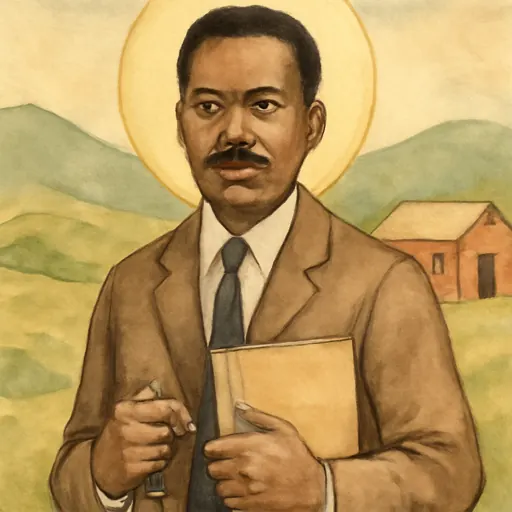
Blessed Benedict Daswa (1946–1990) was a South African schoolteacher, husband and father from Venda, and a Catholic catechist. He was killed on February 2, 1990, after refusing to pay toward hiring a witch-finder. The Church recognized him as a martyr, and he was beatified on September 13, 2015, the first South African declared Blessed. His feast is February 1.
Who was Blessed Benedict Daswa?
Blessed Benedict Daswa was a South African schoolteacher and catechist who was killed in 1990 because he would not take part in a witch-hunt. He was a husband, a father, a school principal and a man his village trusted. When the Church beatified him on September 13, 2015, he became the first South African declared Blessed. We keep his feast on February 1.
He was born Tshimangadzo Samuel Daswa on June 16, 1946, in the village of Mbahe in Venda, in the far north of South Africa, the eldest of five children. His family was not Catholic. As a young man he met the faith through a friend and was baptized on April 21, 1963, at seventeen, by a missionary of the Sacred Heart. At his baptism he took the name Benedict.
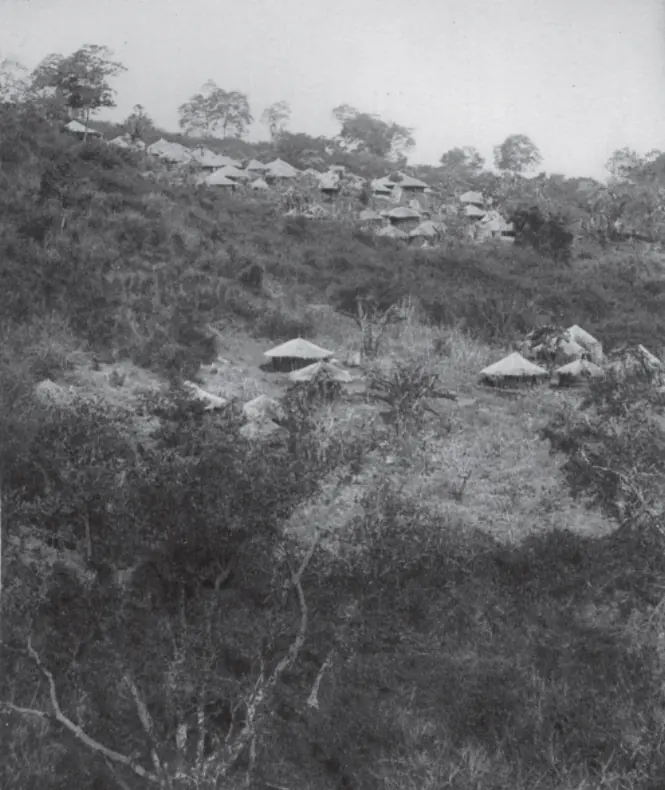
Teacher, husband and catechist
In 1973 Benedict earned his diploma as a primary school teacher and began teaching. He was later appointed principal of the primary school at Nweli. In 1974 he married Shadi Eveline Monyai, who was then a Lutheran; after she became Catholic, they were married in church.
The Dicastery for the Causes of Saints describes a man who was a catechist, a leader of the liturgy, an organizer of works of charity and an advocate for justice and peace. His family prayed together every day and went to Sunday Mass. He was an educator young people respected, and an example as a husband and father. He also spoke openly against witchcraft.
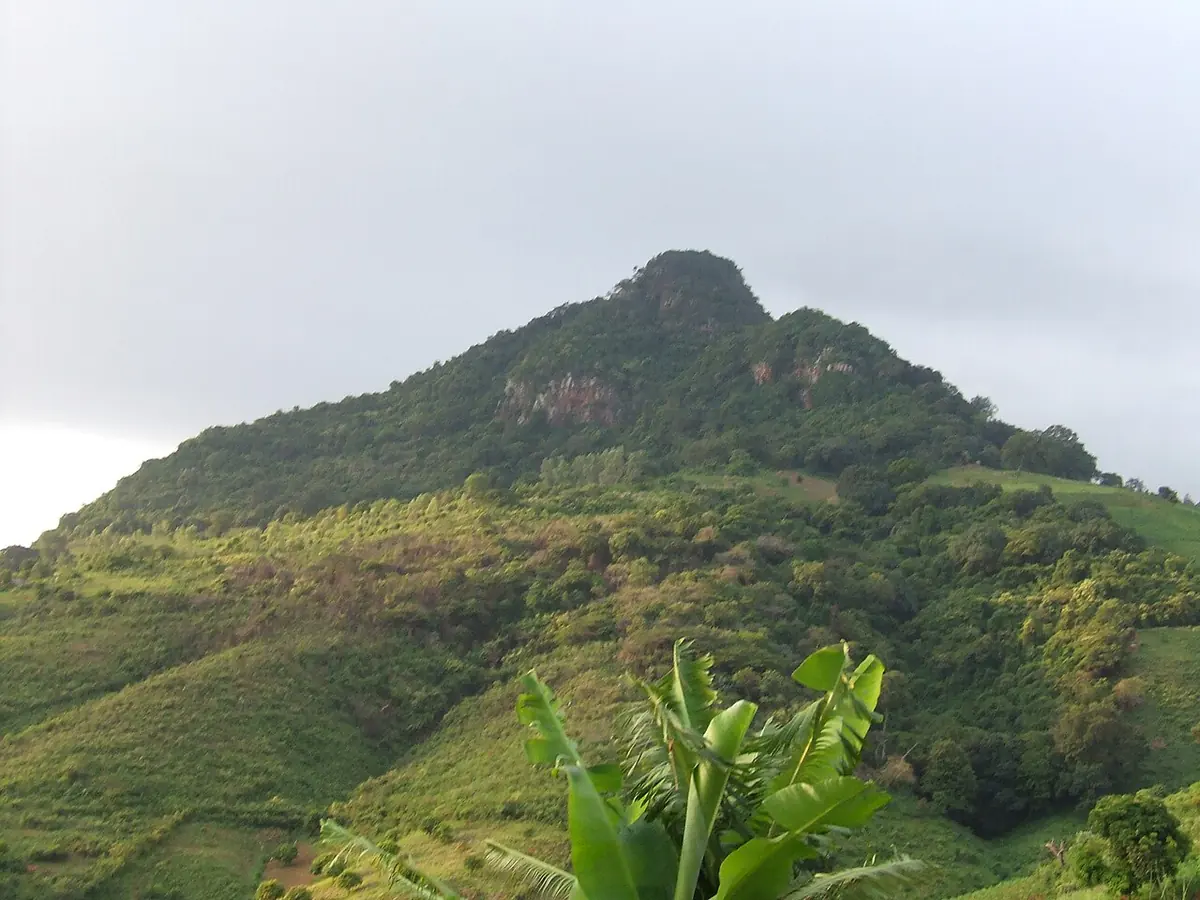
The lightning and the witch-finder
On January 25, 1990, a heavy thunderstorm struck the area, and lightning set several huts on fire. The headman called the community together. Many believed someone was using charms to bring the lightning, and the meeting agreed to hire a witch-finder to name the guilty person, with each household paying R5.
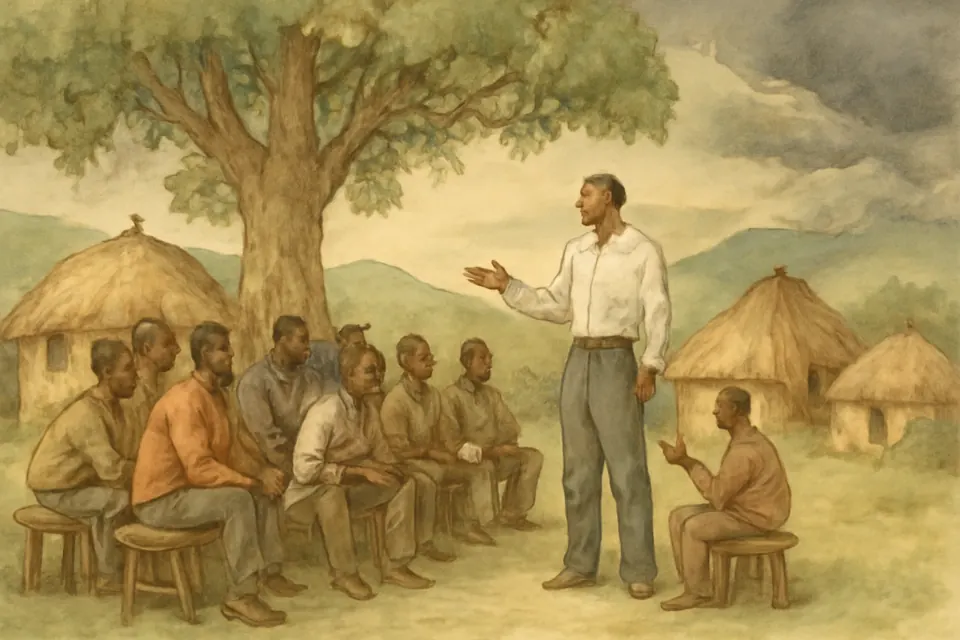
Benedict arrived late. He told the meeting that lightning is a natural event, and he argued against blaming anyone. When the decision stood, he refused to pay. His Catholic faith, he said, did not allow him to take part in anything connected with witchcraft.
His martyrdom
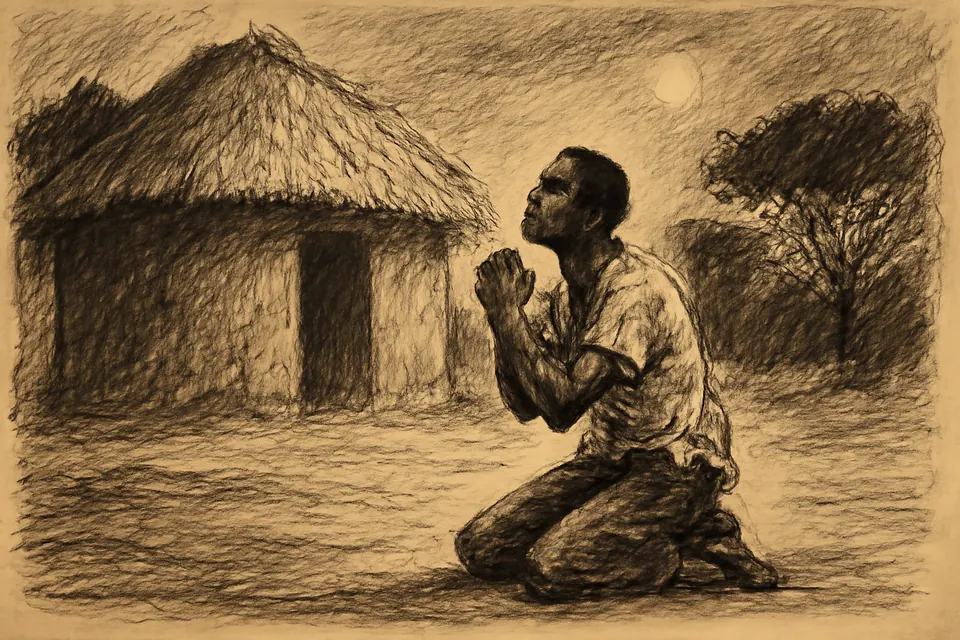
On the evening of February 2, 1990, a group of men hid in the bushes and ambushed his car near his home. Injured and bleeding, Benedict ran for help and hid in a kitchen, but the men found him and dragged him outside. The Dicastery's account says that while they beat him, Benedict knelt and prayed. One of them crushed his skull with a knobkerrie, a wooden club, and they poured boiling water over his head.
Vatican News, drawing on the testimony, gives the words on his lips as a prayer to the Father: "Father, into your hands I commend my life." At his funeral Mass the priests wore red vestments, the color of martyrs, because the people already believed he had died for his faith.
- Approved: the Church recognized his death as martyrdom, killed in hatred of the faith. For a martyr, no miracle is required for beatification. He was beatified on September 13, 2015, at Tshitanini, in the Diocese of Tzaneen.
That same day in Rome, Pope Francis said at the Angelus: "In his life, he always showed consistency, courageously taking on Christian attitudes and refusing worldly and pagan customs. May his witness especially help families to spread the truth and charity of Christ." He joined Benedict's witness to that of "so many of our brothers and sisters — youth, elderly, teenagers, children — persecuted, pushed out, and killed for professing Jesus Christ."
Symbols of Blessed Benedict Daswa in art
Blessed Benedict lived in the age of photography, and his images are mostly photographs and paintings made from them.
- Palm: the sign of a martyr.
- Book: the teacher and principal of Nweli.
- Rosary: the prayer of his family, who prayed together every day.
- Red: the vestments worn at his funeral and at his feast.
Feast day, shrine and prayer
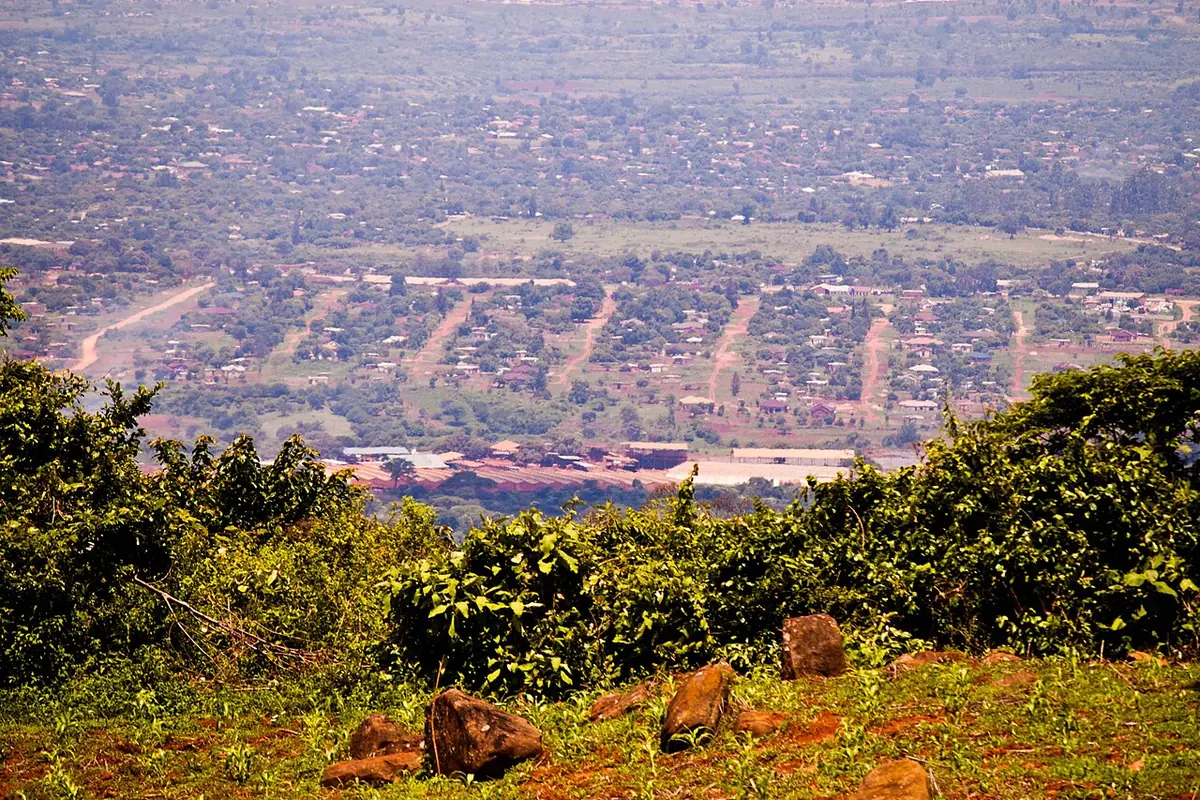
We keep his feast on February 1. Pilgrims gather at the Blessed Benedict Daswa Shrine at Tshitanini in Venda; for the 30th anniversary of his death in 2020, about 4,000 people came from across Southern Africa for Mass with Cardinal Wilfrid Napier. The bishops of Southern Africa are promoting his cause for canonization. In 2020 the Diocese of Tzaneen marked the fifth anniversary of his beatification with Mass at Good Shepherd Parish in Phalaborwa, where Vatican News recalled Pope Francis's description of him as a "zealous Catechist, all-round educator who gave heroic witness to the Gospel." See also the feast day calendar.
There is no traditional prayer to Blessed Benedict yet. Let us ask him to pray for families, for teachers and catechists, and for all who are pressured to go along with what they know is wrong. Pope Francis asked us to thank these martyrs "and let us ask them to intercede for us." Blessed Benedict Daswa, pray for us.
Frequently asked questions
Who was Blessed Benedict Daswa?
Tshimangadzo Samuel Benedict Daswa was a teacher and later principal of the primary school at Nweli in Venda, northern South Africa. A convert baptized in 1963, he served his parish as a catechist and was known as a devoted husband and father. He was killed in 1990 for refusing to take part in a witch-hunt and is the first South African to be beatified.
Why was Benedict Daswa killed?
After lightning burned huts in his area in January 1990, the village decided to hire a witch-finder, with each person paying R5. Daswa said lightning was a natural thing and refused to pay, because his Catholic faith did not allow him to take part in witchcraft. On February 2 a mob ambushed and killed him.
When is the feast of Blessed Benedict Daswa?
February 1. He was killed on February 2, 1990, and beatified on September 13, 2015.
Is Benedict Daswa a saint?
Not yet. He is Blessed, recognized as a martyr. The Church in Southern Africa is promoting the cause for his canonization.
Keep exploring
Sources
- Dicastery for the Causes of Saints: Tshimangadzo Samuel Benedict Daswa (1946–1990). Birth, baptism, marriage, his work and death, the beatification and the February 1 memorial
- Pope Francis, Angelus, September 13, 2015. The Pope's words on the day of the beatification
- Vatican News: Benedict Daswa died with a prayer on his lips (September 2020). The lightning, the R5 levy, the ambush and the red vestments at his funeral
- SACBC: Thousands gather in Tshitanini to celebrate Daswa's 30th martyrdom anniversary. The shrine at Tshitanini and the cause for canonization