St. Lawrence of Chernigov, Elder of the Trinity Monastery
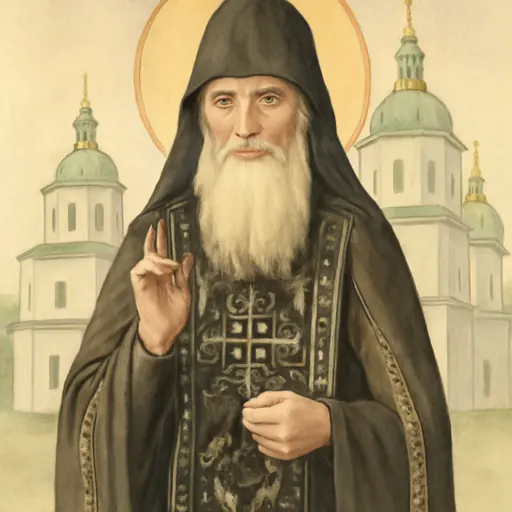
St. Lawrence of Chernigov (1868–1950), born Luke Proskura, was a choir director, monk and elder of the Trinity Monastery in Chernihiv, Ukraine. Through the Soviet persecution he served the faithful in secret and gathered nuns into a new convent during the Second World War. The Orthodox Church glorified him in 1993 and remembers him on December 29 / January 11.
Who was St. Lawrence of Chernigov?
St. Lawrence of Chernigov was an Orthodox monk and elder of the city of Chernihiv, in northern Ukraine, who lived from 1868 to 1950. He began as a village boy with a gift for music, became a monk of the city's Trinity Monastery, and lived to see that monastery closed, his faithful scattered and his own life watched by the secret police. He kept praying and serving through all of it. The Orthodox Church honors him as a venerable monk and remembers him on December 29 / January 11, and also on the day of his repose, January 6 / 19.
He was born Luke Evseevich Proskura in the village of Karilskoe in Chernigov province. His parents, Evsevy and Christina, were devout and raised seven children. His father died early and his mother was often ill, so Luke took on heavy work at home while still young.
Choir director and monk
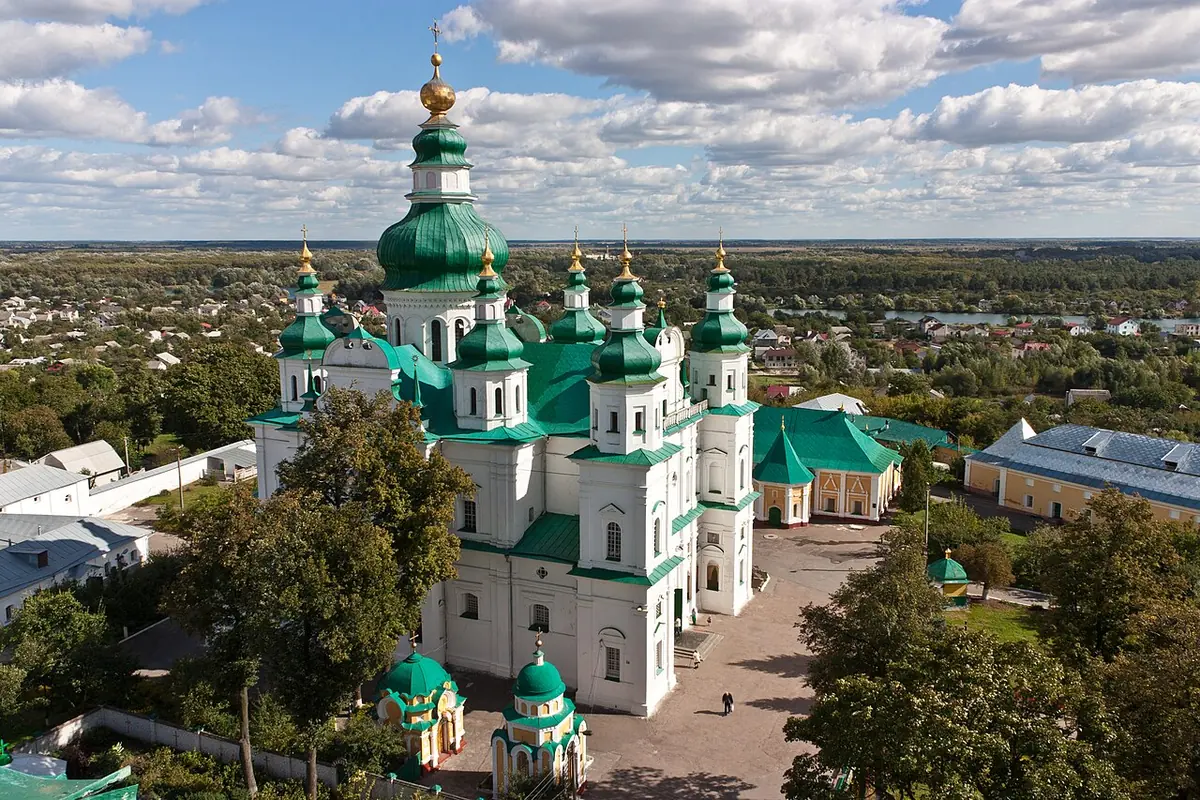
Luke had an ear for music. He sang in the church choir and learned the violin as a child, and by fourteen he was already leading a parish choir. From 1891 he directed a monastery choir, and the Trinity Monastery in Chernigov soon invited him to lead its singers. There he became a monk and took the name Lawrence.
The dates of his monastic life differ between the popular lives and the archives. Archival research reported in 2019 gives his tonsure as 1912, when he was about forty-five, his ordination as a deacon in 1914 and as a priest in 1916. Some older accounts place his ordination as early as 1895. In 1923, with persecution already underway, he was secretly given the great schema in Kyiv by Schema-Igumen Gabriel of the Kyiv Caves Lavra. He was made an archimandrite in 1928.

He had once dreamed of spending his whole life on Mount Athos. In the autumn of 1926 he visited his home village, which had sent six of its sons to the Russian St. Panteleimon Monastery on the Holy Mountain. But God kept him in Chernigov, where his people needed him.
Serving in secret
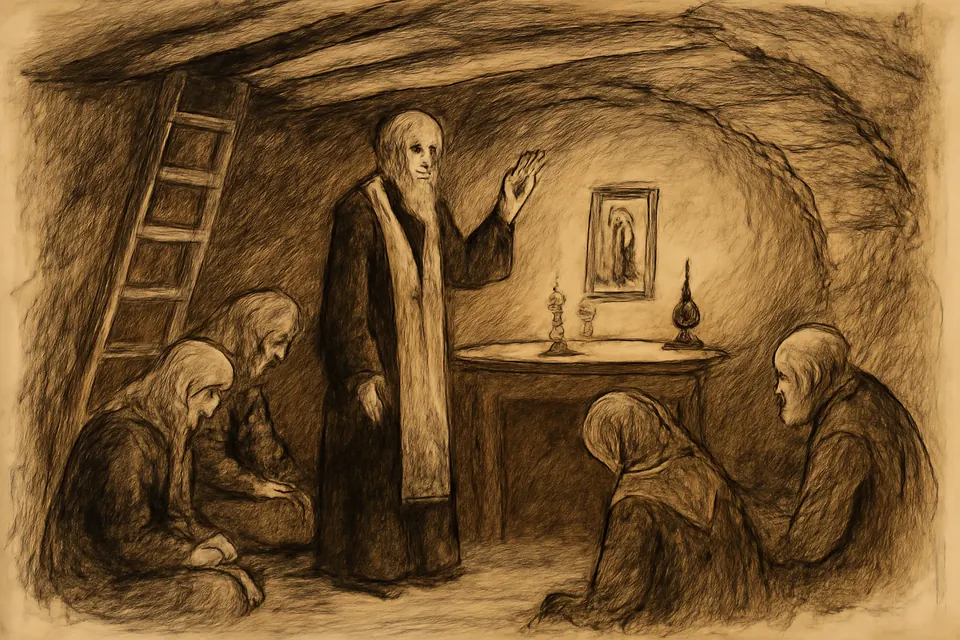
The Trinity Monastery was closed in 1930. Lawrence moved into a small wooden house at the foot of Boldyna Hill, at 38 Illinska Street, and lived there until his death twenty years later. From 1930 to 1942 a hidden church in the cellar of that house was used for baptisms and weddings. By day he prayed; at night, his biographers say, he received the people who came to him in secret.
In 1936 the NKVD investigated him for supposedly belonging to an anti-Soviet underground in Chernigov. The charge could not be proved, and the old monk, nearly seventy, was not imprisoned. Others in the same case, among them priests of the city, died in the camps.
The convent and his last years
During the German occupation of Chernigov in the Second World War, the churches of the Trinity Monastery were allowed to reopen. Lawrence gathered nuns and founded a women's community there. The first service was celebrated on November 21, 1941, in the Church of St. Theodosius, and the main altar of the Holy Trinity Cathedral was consecrated in 1942. He was its spiritual father, known for his love, his prayer and his care for the order of the services.
He died on January 6, 1950, by the Julian calendar, the feast of Theophany. Bishop Iakov led his funeral, and he was buried in the crypt beneath the Holy Trinity Cathedral.

Wonders and glorification
- Reported: those who knew him remembered him as a man of prayer with gifts of healing and prophecy. Many sayings and predictions are attributed to him, but they were written down later and their sourcing is disputed, so we leave them aside.
- Reported: after his death his relics were found incorrupt, according to the Ukrainian Orthodox Church.
In August 1993 the Council of Bishops of the Ukrainian Orthodox Church numbered him among the saints as a venerable monk. His relics rest in the Holy Trinity Cathedral, and his small house on Illinska Street has been restored and opened to visitors.
Symbols of St. Lawrence of Chernigov in art
Icons of St. Lawrence follow the pattern for a schema-monk: an old man with a long white beard in the black great schema, the hooded garment of the most advanced monastic rank, embroidered with crosses and the instruments of the Passion. He usually holds a prayer rope or a scroll, or raises his hand in blessing. Some icons place the domes of the Trinity Monastery behind him. Real photographs of him exist, but their source and date are uncertain, so we do not show them here.
Feast day and prayer
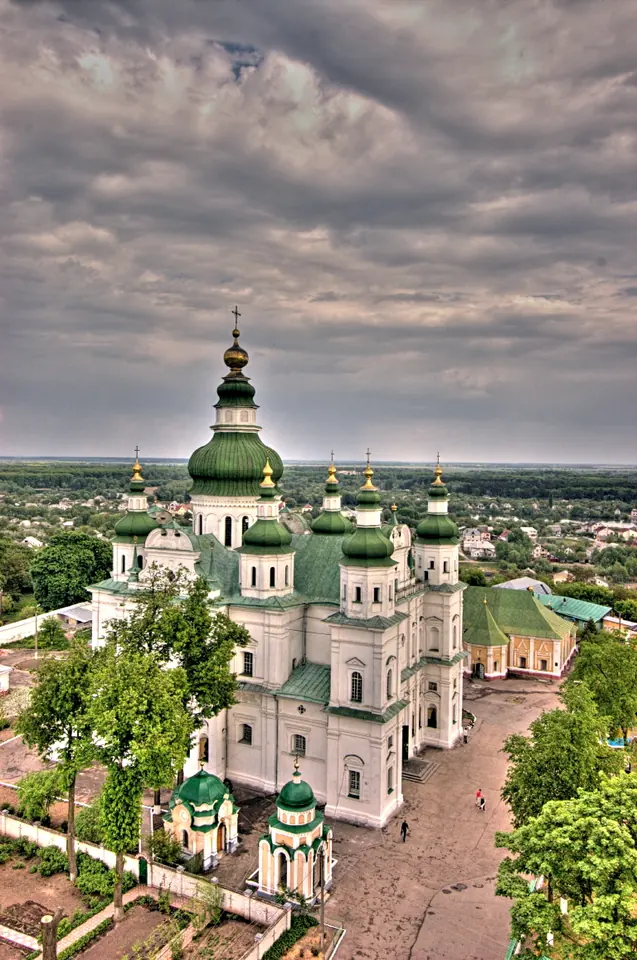
The Orthodox Church keeps his memory on December 29 / January 11 and on January 6 / 19, the day of his repose. Pilgrims come to the Holy Trinity Cathedral in Chernihiv to venerate his relics. We have not found an English translation of his troparion that we can cite, so we do not print one. Let us ask St. Lawrence, who kept the faith alive in a cellar for twelve years, to pray for all Christians who must worship in hiding. Holy Father Lawrence, pray to God for us.
Frequently asked questions
Who was St. Lawrence of Chernigov?
An Orthodox monk and elder of Chernihiv, born Luke Evseevich Proskura in 1868. He directed monastery choirs, became a monk and priest at the city's Trinity Monastery, and was secretly given the great schema in 1923. He died on January 19, 1950.
When was St. Lawrence of Chernigov canonized?
The Council of Bishops of the Ukrainian Orthodox Church numbered him among the saints as a venerable monk in August 1993.
Where are the relics of St. Lawrence of Chernigov?
At the Holy Trinity Cathedral of the Trinity Monastery in Chernihiv, where he was buried in 1950. His relics are reported to have been found incorrupt.
What about the prophecies attributed to St. Lawrence?
Many sayings and prophecies are credited to him, but they come from later recollections. Even the site that publishes them in English notes that their sourcing is disputed, so we do not quote them here.
Keep exploring
Sources
- OrthoChristian: New information discovered about St. Lawrence of Chernigov. Archival findings on his birthplace, tonsure in 1912, ordinations of 1914 and 1916, secret schema in 1923, the NKVD interrogation of 1936 and the place of his relics
- OrthoChristian: 25th anniversary of glorification of St. Lawrence of Chernigov celebrated. His glorification by the Council of Bishops of the Ukrainian Orthodox Church in 1993, his feast days, and the incorrupt relics
- S. Devyatova, Orthodox Elders of the 20th Century: Venerable Lawrence of Chernigov (Azbyka.ru, in Russian). His family, choir work, the closing of the monastery in 1930, the convent of 1941–1942 and his burial in the cathedral crypt
- Visit Chernihiv: House of Lavrentiy. The house where he lived from 1930 to 1950 and the secret church in its cellar
- OrthoChristian: St. Lawrence of Chernigov, Some Prophecies and Statements. Shows that the prophecies come from later collections whose sourcing is contested